Asset Manager Earnings Split Widens as ETF Growth Leaves 40% in Losses
Korea’s asset management industry delivered record quarterly operating profit in the first quarter. A stronger stock market and rapid ETF growth lifted fee income. Still, roughly four in ten managers posted losses, showing a widening profitability gap. Scale, liquidity and distribution power are becoming decisive in the ETF era.
Partner picks
Relevant partner links for this story
A lightweight commerce block designed to add monetization without breaking reading flow.
Advertisement
This module may include affiliate links that earn a commission from qualifying purchases. ETF와이어

Korea’s asset management industry posted its strongest quarterly operating profit in the first quarter, helped by a rising domestic equity market and continued inflows into exchange traded funds. The headline result shows how deeply ETFs have become a growth engine for managers. Yet the benefit was uneven. About four in ten asset managers remained in the red, making the quarter a clear case of growth with sharper polarization.
Record Profit, Uneven Gains
ETF assets expanded across equity, bond, monthly income and thematic products. Larger managers gained the most because they already had broad product lineups, stronger distribution and higher trading liquidity. A rising stock market also lifted the value of equity funds and discretionary assets, supporting fee income in won terms.
Smaller firms faced a different reality. ETF management requires listing costs, liquidity support, marketing and compliance resources. When assets concentrate in leading products, late entrants struggle to reach break-even. The fact that roughly 40% of managers posted losses shows that industry growth alone does not guarantee company-level profitability.
Why It Matters
For investors, the split means manager quality matters as much as product fees. ETF buyers should review trading volume, tracking error, product continuity and the manager’s capacity to support funds over time. Firms with persistent losses may close products, cut teams or shift strategy.
The next phase of Korea’s ETF market will be shaped less by the number of new listings and more by durable inflows, cost control and differentiated products. If equity momentum and retirement-account ETF demand continue, the market can keep growing. The rewards, however, are likely to remain concentrated among managers with scale, brand strength and liquidity.
Partner picks
Relevant partner links for this story
A lightweight commerce block designed to add monetization without breaking reading flow.
Advertisement
This module may include affiliate links that earn a commission from qualifying purchases. ETF와이어
Key points
- Korea’s asset management industry delivered record quarterly operating profit in the first quarter. A stronger stock market and rapid ETF growth lifted fee income. Still, roughly four in ten managers posted losses, showing a widening profitability gap. Scale, liquidity and distribution power are becoming decisive in the ETF era.
- Use the body and FAQ context before acting on this update.
- Compare with related issues inside the category hub.
FAQ
What was the key result for Korean asset managers in Q1?
The industry posted record quarterly operating profit, but about 40% of managers still recorded losses.
Why are many managers losing money despite ETF growth?
ETF economics favor scale. Smaller firms face listing, liquidity, marketing and staffing costs while assets concentrate in large managers.
What should ETF investors check?
Investors should look beyond fees and returns to trading volume, tracking error, product continuity and the manager’s financial strength.
Related stories
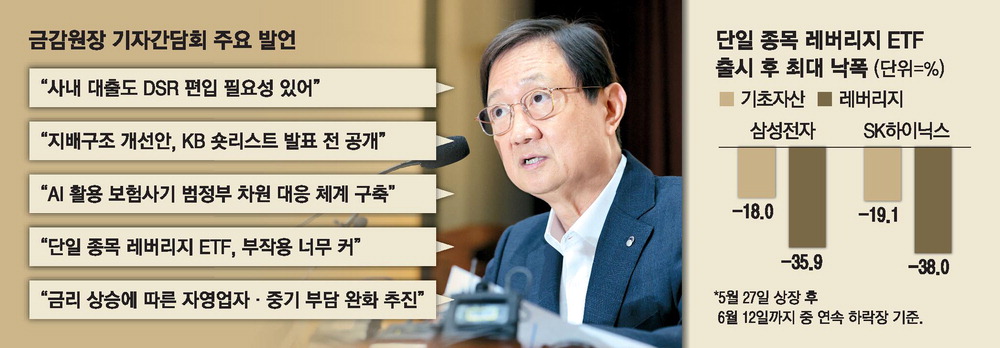
Samsung Electronics and SK Hynix Leveraged ETFs Face New Safeguards
Single-stock leveraged ETFs linked to Samsung Electronics and SK Hynix have become a direct regulatory concern. Lee Chan-jin said the products should have been stopped forcefully before the frenzy grew. High-turnover trading, retail concentration and daily leverage resets are amplifying risk. New safeguards are expected to focus on disclosure, suitability ch
KB Asset Management Takes 5.09% Stake in JLK, Spotlighting Medical AI Flow
KB Asset Management has taken a 5.09% stake in JLK and classified the position as a simple investment. In Korea, ownership above 5% is a visible institutional signal. The move points less to control and more to exposure to medical AI growth. Investors should watch won-based valuation, stake changes and ETF or fund flows.
Timefolio With Time Fund Tops KRW 1 Trillion in AUM, Strengthening Active Fund Profile
Timefolio Asset Management’s Timefolio With Time fund has crossed KRW 1 trillion in AUM. The milestone signals stronger investor confidence, broader distribution support and greater visibility for active funds in Korea. For investors, scale can indicate liquidity depth and operating durability, though fees, volatility and strategy remain essential checks.
Partner picks
Relevant partner links for this story
A lightweight commerce block designed to add monetization without breaking reading flow.
Advertisement
This module may include affiliate links that earn a commission from qualifying purchases. ETF와이어