GPIQ Income ETF on Track to Double Assets This Year
GPIQ combines Nasdaq-100 exposure with a premium income approach. Demand for income ETFs has strengthened as investors seek regular distributions and a buffer against uncertainty. The fund’s asset growth signals broader interest in covered-call and dividend-oriented ETF strategies. Korean investors must also weigh currency, tax and distribution risks.

Lead
Goldman Sachs Nasdaq-100 Premium Income ETF, GPIQ, is on track to roughly double its assets this year. The fund is benefiting from one of the strongest themes in the ETF market: income. Investors are looking beyond simple price appreciation and are increasingly favoring ETFs that can provide recurring distributions while retaining exposure to major growth stocks.
Market Context
Income ETFs have become a central part of portfolio construction as investors manage uncertain rates, equity volatility and retirement cash-flow needs. Covered-call, dividend and premium-income strategies are drawing attention because they can convert market volatility into potential income. GPIQ stands out because it links that income objective to Nasdaq-100 exposure, giving investors a way to stay connected to large technology and growth companies while pursuing distributions.
Data and Impact
The key figure for GPIQ this year is its trajectory toward doubling assets under management. That growth shows that demand is not limited to short-term trading interest. It reflects a broader shift toward ETFs that can serve as monthly-income or retirement-income tools. For Korean investors, GPIQ is a U.S.-listed, dollar-denominated product, so won-based returns can differ from dollar returns. Taxes on overseas ETF distributions and capital gains also affect the final result.
Outlook
GPIQ’s momentum suggests income ETFs will remain a major competitive category. The fund’s appeal will depend on distribution consistency, participation in Nasdaq-100 upside and performance during volatile markets. Investors should not judge the product only by distribution yield. Currency swings, option strategy limits and underlying equity risk remain central considerations.
Key points
- GPIQ combines Nasdaq-100 exposure with a premium income approach. Demand for income ETFs has strengthened as investors seek regular distributions and a buffer against uncertainty. The fund’s asset growth signals broader interest in covered-call and dividend-oriented ETF strategies. Korean investors must also weigh currency, tax and distribution risks.
- Use the body and FAQ context before acting on this update.
- Compare with related issues inside the category hub.
FAQ
What is GPIQ?
GPIQ is a Goldman Sachs ETF that combines Nasdaq-100-related exposure with a premium income strategy.
What is the key development for GPIQ this year?
The fund is on pace to roughly double its assets under management this year.
What should Korean investors consider?
They should review currency exposure, overseas ETF taxation, distribution sustainability and the upside limits that can come with option strategies.
Latest stories
Korea, Japan and Taiwan ETFs Surge as Second-Half Strategy Turns Defensive
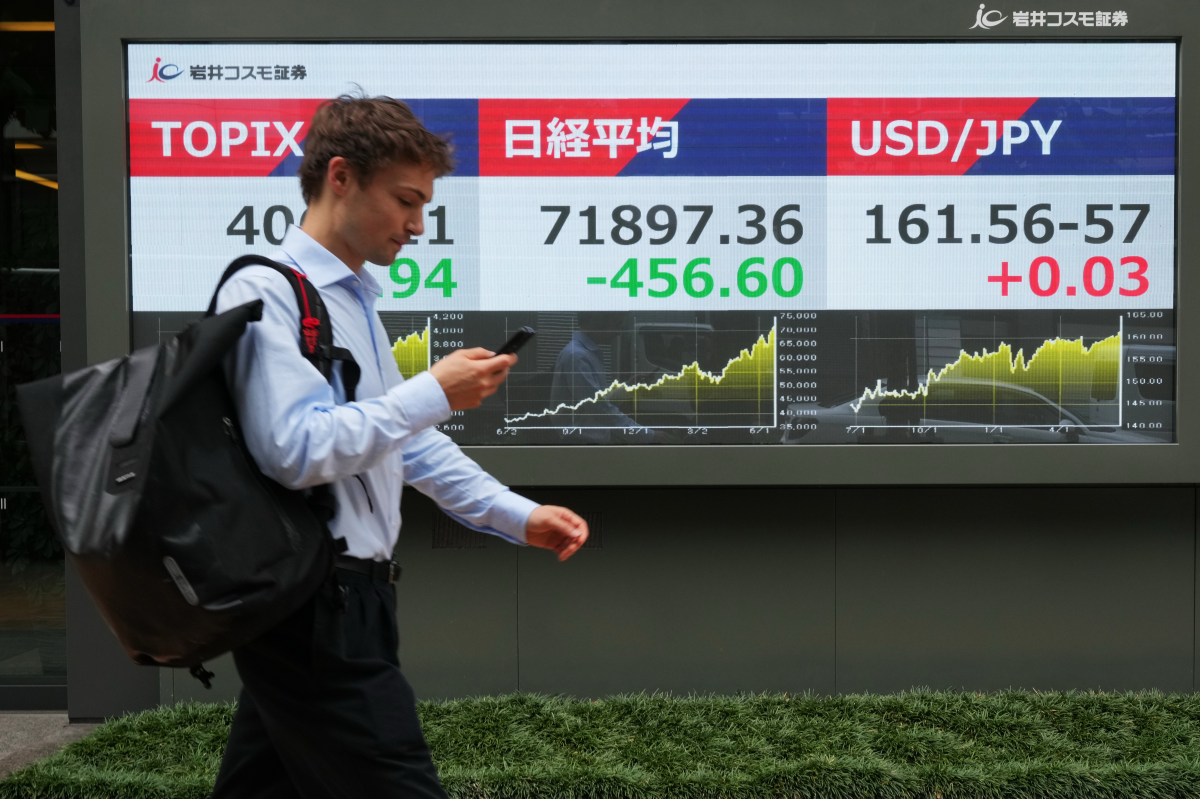
Asia country ETFs delivered sharply different gains in the first half of 2026. As of June 25 NAV total return, the Korea ETF led with 108.98%, followed by Taiwan at 66.16% and Japan at 15.76%. The second-half test is valuation, currency, policy and semiconductor concentration risk.
SK Hynix ADR Entry Into U.S. Semiconductor ETFs Reshapes AI Memory Exposure
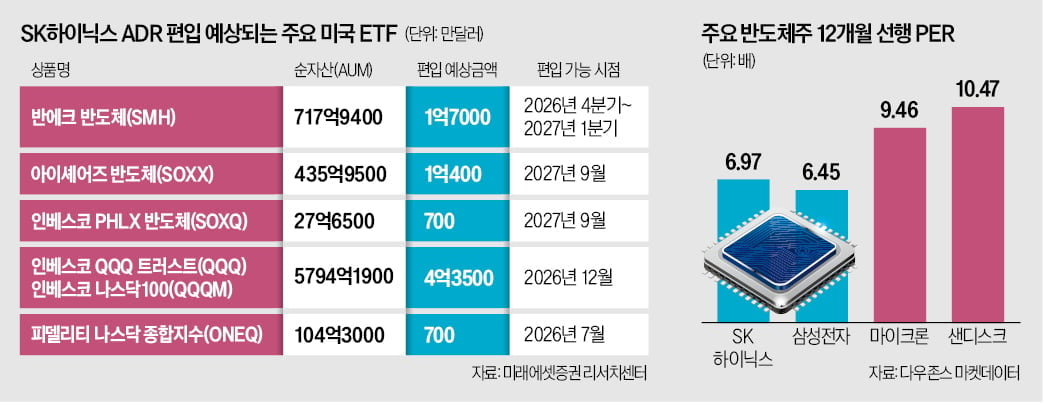
SK Hynix’s ADR will become eligible for U.S. semiconductor ETF portfolios as the company moves toward a July 10, 2026 Nasdaq listing. The structure sets 10 ADRs equal to one common share. The planned transaction has a ceiling of 45.45 trillion won, or about $29.4 billion, tied to fabs, HBM packaging and EUV tools. Korean investors must compare common shares,

National Growth Fund to Put 370 Billion Won Into Wind, Subsea Cables and Chips
The National Growth Fund is directing 370 billion won into power infrastructure and semiconductor supply chains. The target areas are wind power, subsea cables and chip materials, parts and equipment. The move is expected to support Korea’s renewable energy, grid-equipment and semiconductor value chains.

Semiconductor ETF concentration rises as retail money moves into AI chip leaders
Retail investors are moving from broad semiconductor exposure toward concentrated ETFs. KODEX Semiconductor and TIGER Semiconductor hold more than 60% in SK hynix and Samsung Electronics, while TIGER AI Semiconductor Core Process has 75% in its top five holdings. Returns remain strong, but recent pullbacks make fees, NAV gaps and tax treatment important.

Momentum ETF Drops Tesla, Gains 64% in 2026 on Winner-Only Leverage
The standout momentum ETF of 2026 has removed Tesla and kept stocks with stronger return contribution. It is up 64% this year, more than three times the return of its base index. Its leverage exposure tied to Samsung Electronics and SK Hynix can amplify gains in a semiconductor rally but also magnify losses. Korean investors need to check won returns, deriva

Tongyang’s Global VC Fund Gains Grow on SpaceX and OpenAI Upside
Tongyang’s indirect exposure to a global VC fund has increased in value, supported by the growth of private technology leaders such as SpaceX and OpenAI. The investment gives the company early access to a global technology ecosystem linked to data centers and future infrastructure. Exit timing, exchange rates and private-market valuation swings remain key va
Single-stock 2x ETFs draw regulator warning over Samsung and SK Hynix leverage risk
Regulatory concern is growing over 2x leveraged single-stock ETFs linked to Samsung Electronics and SK Hynix. Lee Chan-jin warned that the products may prioritize brokerage profits over investor protection. Because they seek twice the daily move of a single stock, gains and losses can expand quickly for retail investors.
Asset managers post record Q1 operating profit, yet 4 in 10 stay in the red as ETF divide widens
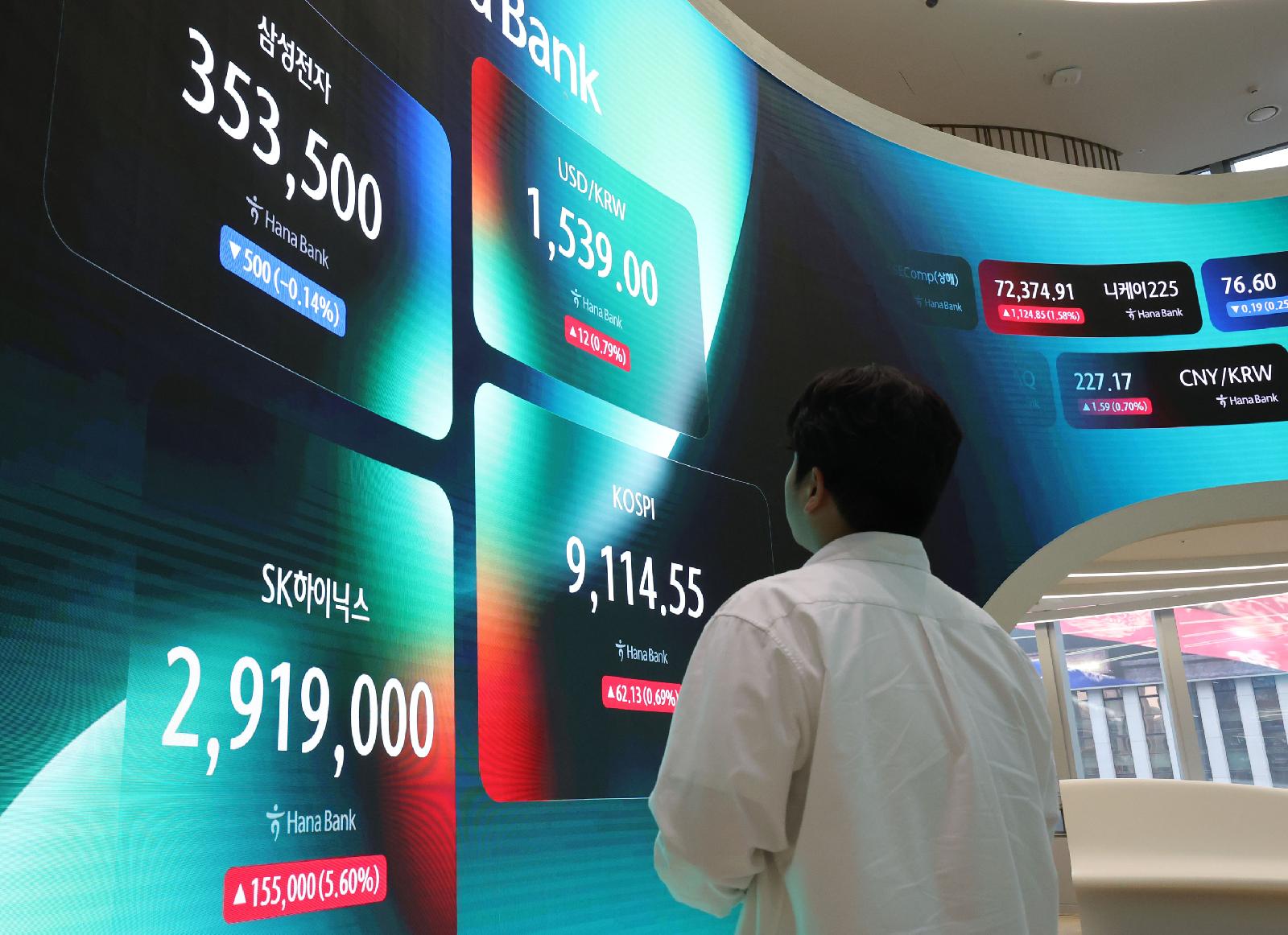
Korea’s asset management industry posted its highest quarterly operating profit in Q1, helped by a stronger equity market and rapid ETF expansion. The gains were uneven. Roughly four in ten managers still reported losses as scale, brand power and distribution access concentrated profits among larger firms.