National Growth Fund to Put 370 Billion Won Into Wind, Subsea Cables and Chips
The National Growth Fund is directing 370 billion won into power infrastructure and semiconductor supply chains. The target areas are wind power, subsea cables and chip materials, parts and equipment. The move is expected to support Korea’s renewable energy, grid-equipment and semiconductor value chains.
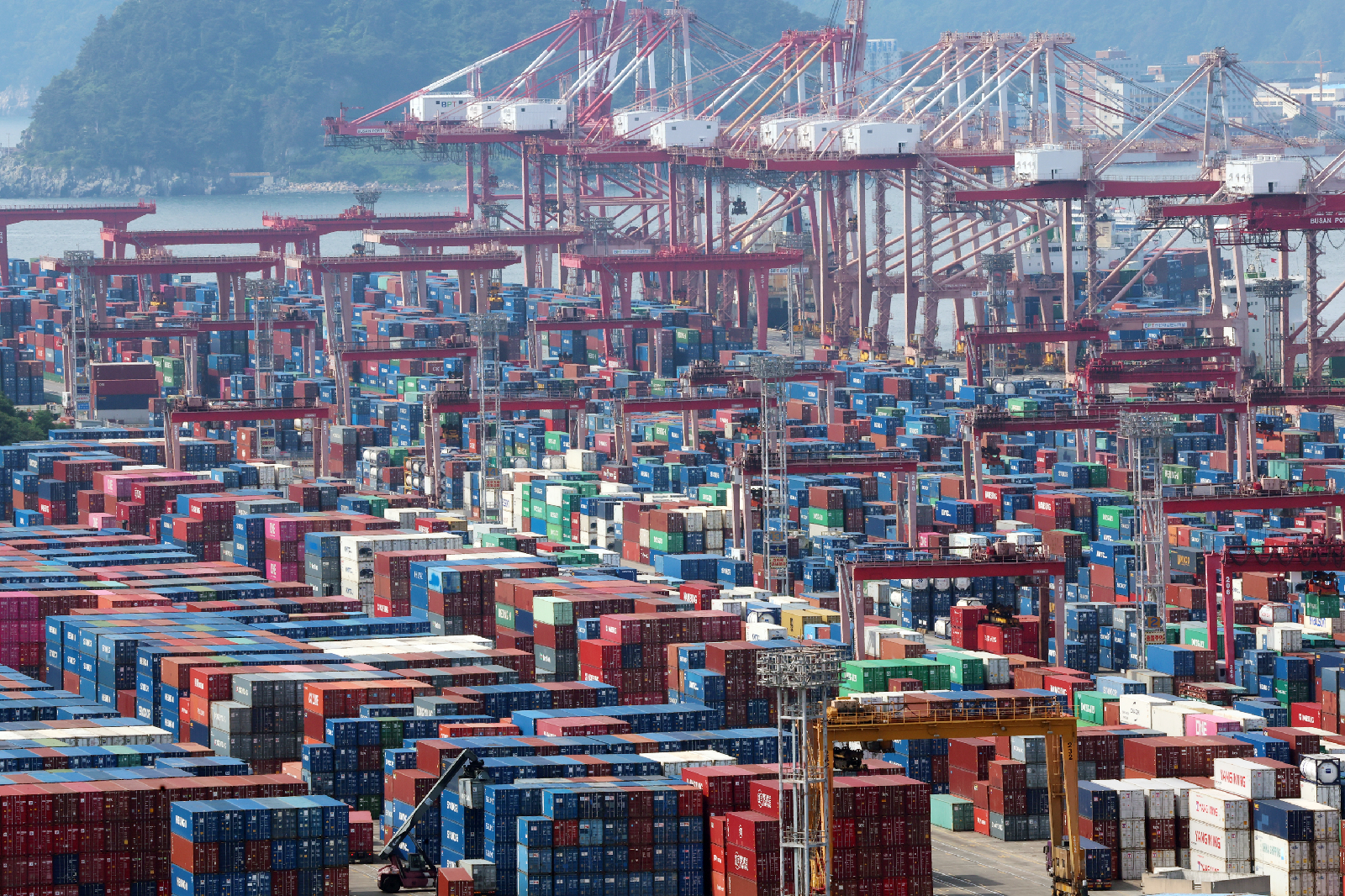
The National Growth Fund is putting 370 billion won in policy capital into wind power, subsea cables and semiconductor materials, parts and equipment. The central goal is to prepare for surging electricity demand in the artificial intelligence era while strengthening Korea’s domestic semiconductor supply chain.
AI Raises the Power-Infrastructure Bar
AI data centers and advanced manufacturing sites cannot expand without stable electricity. As power consumption rises, generation capacity, transmission networks, subsea power links and grid equipment become more important. Wind power expands renewable supply, while subsea cables connect offshore wind resources to onshore grids. In Korea, grid access, permits, local acceptance and network upgrades can decide project timing, making policy finance an important lever.
370 Billion Won Targets Two Strategic Chains
The 370 billion won package will be allocated across wind power, subsea cables and semiconductor supply-chain firms. Semiconductor materials, parts and equipment cover key inputs such as wafers, specialty gases, process tools and inspection systems. Korea has a strong memory-chip base, but remains exposed to global supply-chain shifts, export controls and equipment procurement risk. Funding that supports capacity expansion, technology upgrades and supplier stability could reach mid-sized and smaller companies across the chip ecosystem.
What It Means for ETF Investors
The policy push may lift attention on Korean stocks and thematic ETFs tied to wind power, power equipment, subsea cables, semiconductor tools and chip materials. Still, policy funding does not guarantee earnings growth. Actual benefits will depend on execution speed, project orders, permitting, raw-material prices, currency moves and the semiconductor cycle. ETF investors should review holdings, fees, liquidity and each fund’s exposure to companies with real revenue links to these themes.
Key points
- The National Growth Fund is directing 370 billion won into power infrastructure and semiconductor supply chains. The target areas are wind power, subsea cables and chip materials, parts and equipment. The move is expected to support Korea’s renewable energy, grid-equipment and semiconductor value chains.
- Use the body and FAQ context before acting on this update.
- Compare with related issues inside the category hub.
FAQ
Where will the 370 billion won be invested?
It will go into wind power, subsea cables and semiconductor materials, parts and equipment.
Why is power infrastructure central to the plan?
AI data centers and advanced manufacturing require stable electricity, increasing the importance of generation, grids and subsea cables.
What does this mean for ETF investors?
It may increase interest in wind, grid-equipment and semiconductor supply-chain ETFs, but performance will depend on orders, earnings and fund holdings.
Latest stories
Samsung Electronics and SK Hynix Leveraged ETFs Face New Safeguards
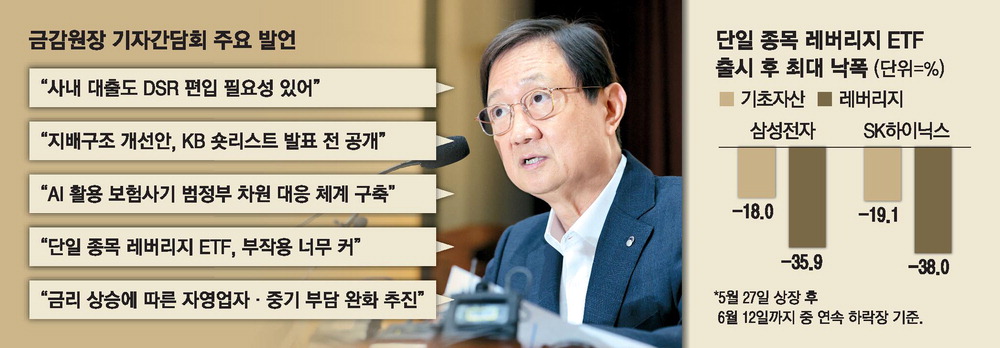
Single-stock leveraged ETFs linked to Samsung Electronics and SK Hynix have become a direct regulatory concern. Lee Chan-jin said the products should have been stopped forcefully before the frenzy grew. High-turnover trading, retail concentration and daily leverage resets are amplifying risk. New safeguards are expected to focus on disclosure, suitability ch
Asset Manager Earnings Split Widens as ETF Growth Leaves 40% in Losses
Korea’s asset management industry delivered record quarterly operating profit in the first quarter. A stronger stock market and rapid ETF growth lifted fee income. Still, roughly four in ten managers posted losses, showing a widening profitability gap. Scale, liquidity and distribution power are becoming decisive in the ETF era.
KB Asset Management Takes 5.09% Stake in JLK, Spotlighting Medical AI Flow
KB Asset Management has taken a 5.09% stake in JLK and classified the position as a simple investment. In Korea, ownership above 5% is a visible institutional signal. The move points less to control and more to exposure to medical AI growth. Investors should watch won-based valuation, stake changes and ETF or fund flows.
Timefolio With Time Fund Tops KRW 1 Trillion in AUM, Strengthening Active Fund Profile
Timefolio Asset Management’s Timefolio With Time fund has crossed KRW 1 trillion in AUM. The milestone signals stronger investor confidence, broader distribution support and greater visibility for active funds in Korea. For investors, scale can indicate liquidity depth and operating durability, though fees, volatility and strategy remain essential checks.

Korea Investment Hosts Overseas Asset Manager CEOs to Expand Global ETF Network
Korea Investment & Securities held an invitation event for CEOs of overseas asset managers. The event reflects the growing role of global ETFs and overseas funds as differentiators for Korean brokerage platforms. The firm strengthened its foundation for offering Korean investors a wider range of global investment choices.
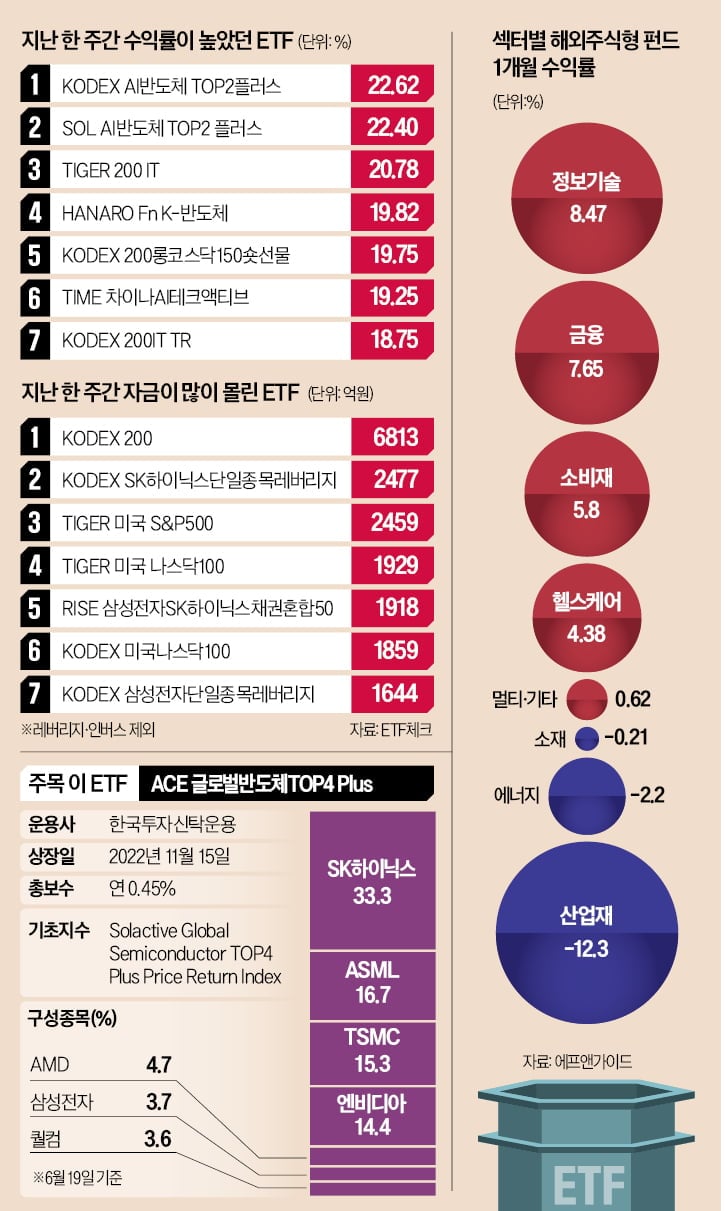
AI Semiconductor ETFs Rally as Leveraged Funds Draw Fast Short-Term Inflows
AI semiconductor ETFs are riding stronger demand for AI servers, memory, networking chips and equipment. Money is moving beyond plain ETFs into 2x and 3x leveraged products. Korean investors must weigh dollar exposure, local trading rules and short-term volatility before chasing the rally.

Anthropic AI ETFs Gain Attention as SpaceX Sparks Pre-IPO Demand
Pre-IPO demand that followed SpaceX is moving toward AI ETFs with exposure to Anthropic and OpenAI. BAI holds $109 million in Anthropic preferred shares and $47 million in OpenAI, about 1% of assets. T. Rowe Price Technology ETF holds $4.9 million across the two names. Korean investors need to weigh won returns, overseas ETF taxation, liquidity and private-s
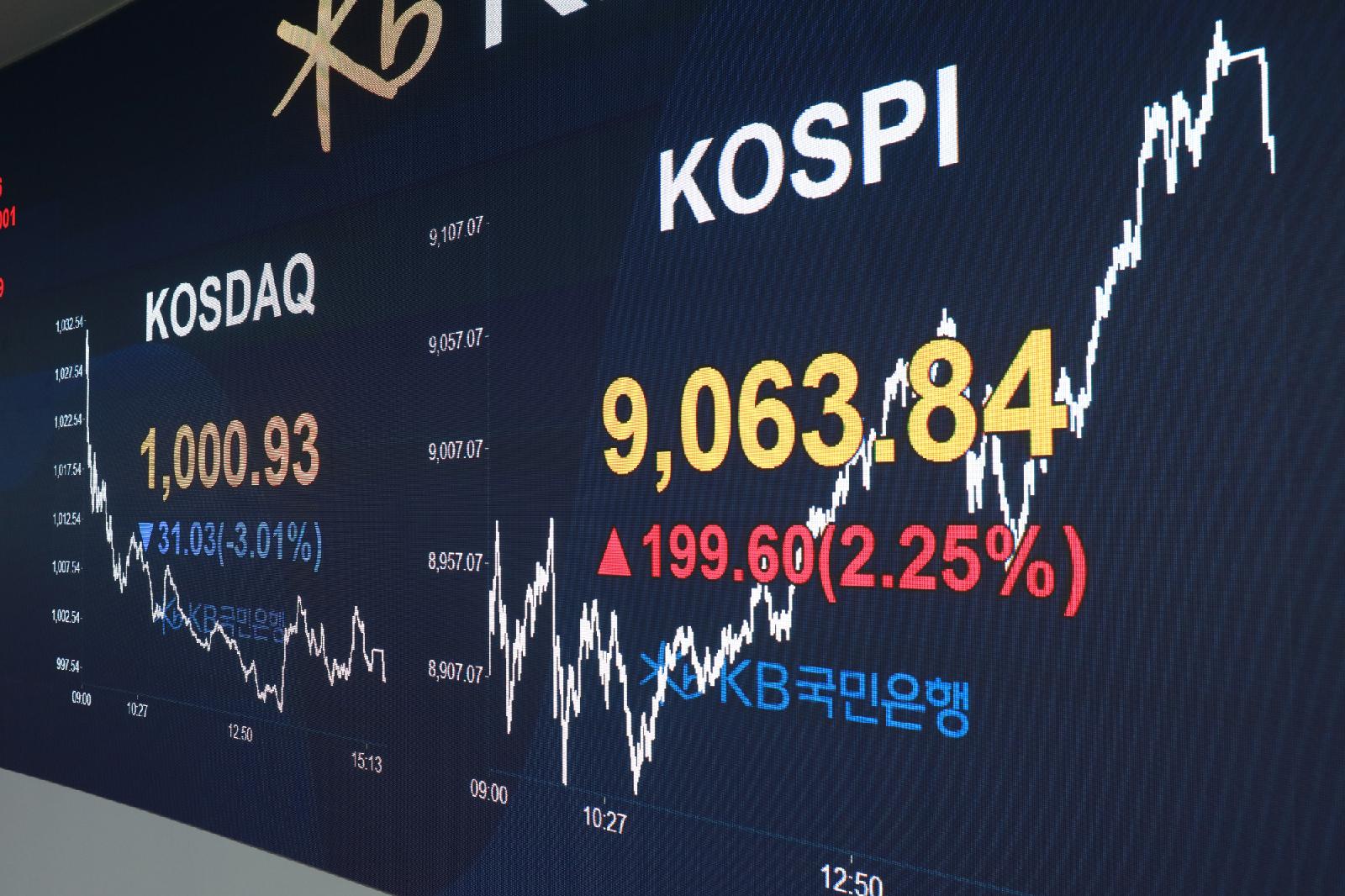
Korean Semiconductor Materials ETF Rally Shifts Retail Money to Front-End Funds
The second leg of Korea’s semiconductor rally is spreading from large chipmakers to materials, parts and equipment. Several related ETFs ranked near the top in June returns. SOL Semiconductor Front-End took first place, helped by strength in PSK, VM and TES. The market views the move as an internal sector rotation.