Yellow Umbrella Upgrades Its 35 Trillion Won Investment System With Pension-Style Allocation
Yellow Umbrella is redesigning the management of its 35 trillion won asset base around a longer-term institutional framework. The plan centers on pension-style asset allocation and integrated portfolio management. The shift aims to improve stability and risk-adjusted returns while protecting small business members.
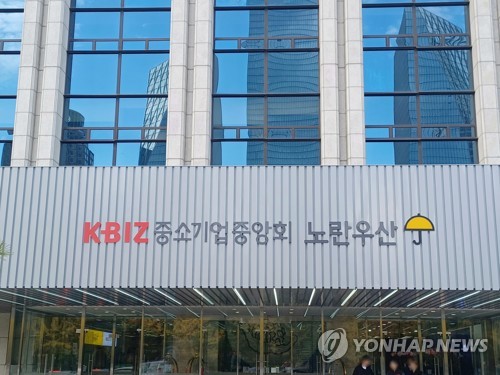
Yellow Umbrella is moving its 35 trillion won investment operation toward a pension-style model built for long-term stability. The fund, designed as a financial safety net for small businesses and micro-merchants, is shifting from a narrower return-focused approach to a framework that combines long-term asset allocation, integrated portfolio oversight and stricter risk control.
Long-Term Allocation for a Larger Fund
Yellow Umbrella has grown into one of Korea’s major mutual-aid pools. With assets of about 35 trillion won, its investment process now requires a more institutional structure. A simple focus on deposits or bond-heavy stability is no longer enough to manage inflation, interest-rate cycles, currency swings and market volatility. The new strategy reflects the fund’s long-term payment obligations and changing capital-market conditions.
The model resembles the operating systems used by large overseas pension funds. Instead of judging each asset class in isolation, the fund will manage expected return, downside risk, liquidity, maturity profile and alternative investment exposure at the total-portfolio level. A 35 trillion won pool is meaningful in Korea’s ETF, bond and private-market ecosystems, so allocation changes may influence broader institutional flows.
Integrated Portfolio Control
The second pillar is integrated portfolio management. The fund needs a single framework for monitoring target return, volatility and liquidity across equities, bonds, alternatives and cash-like assets. Because member benefits must remain stable even during market stress, capital preservation and governance carry as much weight as yield improvement.
Foreign investment decisions will also need to be judged in won terms. Currency hedging costs and won volatility directly affect member outcomes. In that context, the upgraded system is less about aggressive expansion and more about disciplined, risk-adjusted investing.
Market Outlook
The overhaul could raise the standard for Korea’s mutual-aid fund management. More systematic deployment of 35 trillion won in long-term capital may shape demand for domestic bonds, dividend stocks, ETFs, infrastructure, real estate and private assets. ETFs could benefit as transparent tools for diversified long-term allocation.
The key benchmark will be sustainable governance rather than headline returns. If the new allocation and portfolio-control framework takes hold, Yellow Umbrella will move closer to a professional pension-style institution while preserving its core role as a safety net for Korean small businesses.
Key points
- Yellow Umbrella is redesigning the management of its 35 trillion won asset base around a longer-term institutional framework. The plan centers on pension-style asset allocation and integrated portfolio management. The shift aims to improve stability and risk-adjusted returns while protecting small business members.
- Use the body and FAQ context before acting on this update.
- Compare with related issues inside the category hub.
FAQ
How large is Yellow Umbrella’s asset base?
Yellow Umbrella manages about 35 trillion won in assets.
What is the core of the upgrade?
The core is a new long-term asset allocation strategy and integrated portfolio management system.
Why does this matter for Korea’s markets?
A 35 trillion won long-term fund can influence demand across bonds, ETFs and alternative investments.
Latest stories

Momentum ETF Drops Tesla, Gains 64% in 2026 on Winner-Only Leverage
The standout momentum ETF of 2026 has removed Tesla and kept stocks with stronger return contribution. It is up 64% this year, more than three times the return of its base index. Its leverage exposure tied to Samsung Electronics and SK Hynix can amplify gains in a semiconductor rally but also magnify losses. Korean investors need to check won returns, deriva

Tongyang’s Global VC Fund Gains Grow on SpaceX and OpenAI Upside
Tongyang’s indirect exposure to a global VC fund has increased in value, supported by the growth of private technology leaders such as SpaceX and OpenAI. The investment gives the company early access to a global technology ecosystem linked to data centers and future infrastructure. Exit timing, exchange rates and private-market valuation swings remain key va
Single-stock 2x ETFs draw regulator warning over Samsung and SK Hynix leverage risk
Regulatory concern is growing over 2x leveraged single-stock ETFs linked to Samsung Electronics and SK Hynix. Lee Chan-jin warned that the products may prioritize brokerage profits over investor protection. Because they seek twice the daily move of a single stock, gains and losses can expand quickly for retail investors.
Asset managers post record Q1 operating profit, yet 4 in 10 stay in the red as ETF divide widens
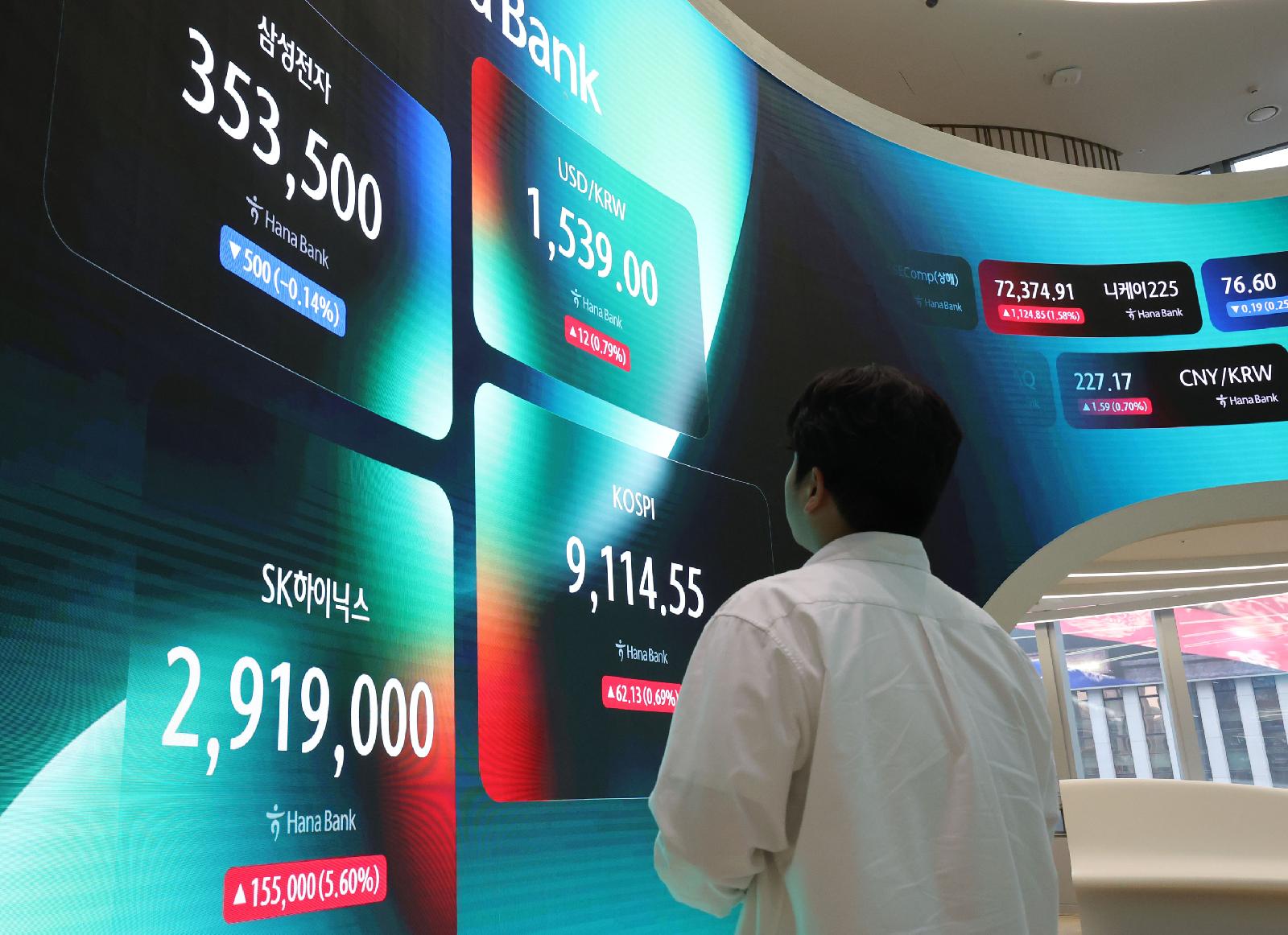
Korea’s asset management industry posted its highest quarterly operating profit in Q1, helped by a stronger equity market and rapid ETF expansion. The gains were uneven. Roughly four in ten managers still reported losses as scale, brand power and distribution access concentrated profits among larger firms.
Samsung Electronics and SK Hynix Leveraged ETFs Face New Safeguards
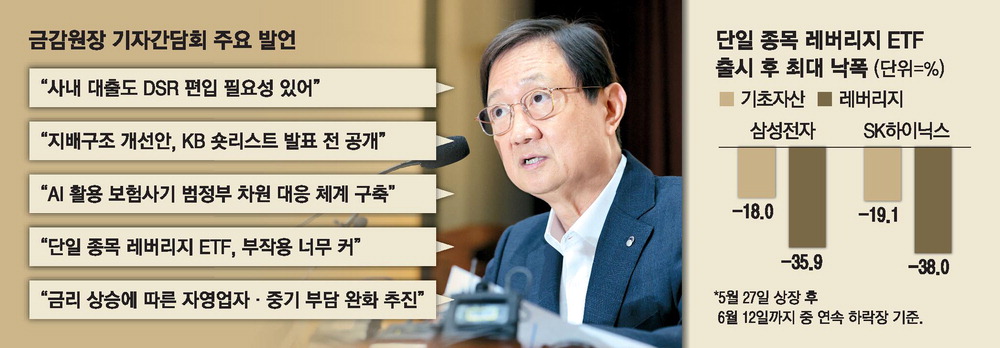
Single-stock leveraged ETFs linked to Samsung Electronics and SK Hynix have become a direct regulatory concern. Lee Chan-jin said the products should have been stopped forcefully before the frenzy grew. High-turnover trading, retail concentration and daily leverage resets are amplifying risk. New safeguards are expected to focus on disclosure, suitability ch
Asset Manager Earnings Split Widens as ETF Growth Leaves 40% in Losses
Korea’s asset management industry delivered record quarterly operating profit in the first quarter. A stronger stock market and rapid ETF growth lifted fee income. Still, roughly four in ten managers posted losses, showing a widening profitability gap. Scale, liquidity and distribution power are becoming decisive in the ETF era.
KB Asset Management Takes 5.09% Stake in JLK, Spotlighting Medical AI Flow
KB Asset Management has taken a 5.09% stake in JLK and classified the position as a simple investment. In Korea, ownership above 5% is a visible institutional signal. The move points less to control and more to exposure to medical AI growth. Investors should watch won-based valuation, stake changes and ETF or fund flows.
Timefolio With Time Fund Tops KRW 1 Trillion in AUM, Strengthening Active Fund Profile
Timefolio Asset Management’s Timefolio With Time fund has crossed KRW 1 trillion in AUM. The milestone signals stronger investor confidence, broader distribution support and greater visibility for active funds in Korea. For investors, scale can indicate liquidity depth and operating durability, though fees, volatility and strategy remain essential checks.