STIC Investments Chosen as National Growth Fund Round 2 GP for Indirect Investments
STIC Investments has been named a second-round GP for the National Growth Fund’s indirect investment track. The fund links policy finance with private capital to support Korean innovation and growth-stage companies. The selection may affect private equity competition and capital flows into unlisted growth firms. For ETF investors, the signal is indirect and
STIC Investments was selected on July 13, 2026 as a second-round general partner (GP) for the National Growth Fund’s indirect investment track. The mandate places the firm inside a policy-backed growth capital platform designed to connect public finance with private managers and Korean growth companies.
Fund Structure
STIC’s role is not simple capital distribution. As GP, it will form sub-funds, screen investments, execute deals and manage exits. The key data points are July 13, 2026, second-round selection, indirect investment track and GP mandate. Capital moves through a three-step route: parent fund, selected GP and portfolio companies.
Market Impact
The selection can expand won-denominated growth capital for Korean scale-ups, strategic industries and firms preparing for later-stage financing. The ETF impact is indirect rather than immediate. If capital reaches semiconductors, biotech, AI, energy transition and advanced materials supply chains, related thematic and active ETFs may see a changing investable universe. The GP selection itself does not guarantee returns in any listed security.
Key points
- STIC Investments has been named a second-round GP for the National Growth Fund’s indirect investment track. The fund links policy finance with private capital to support Korean innovation and growth-stage companies. The selection may affect private equity competition and capital flows into unlisted growth firms. For ETF investors, the signal is indirect and
- Use the body and FAQ context before acting on this update.
- Compare with related issues inside the category hub.
FAQ
What was STIC Investments selected for?
STIC Investments was selected on July 13, 2026 as a second-round GP for the National Growth Fund’s indirect investment track.
What does the round 2 GP selection mean?
It expands a structure in which policy-backed capital is invested through professional private managers into growth companies.
Is there a direct impact on ETFs?
No direct ETF inclusion event follows from the selection. The effect is indirect through Korean growth sectors, supply chains and future listing candidates.
Latest stories
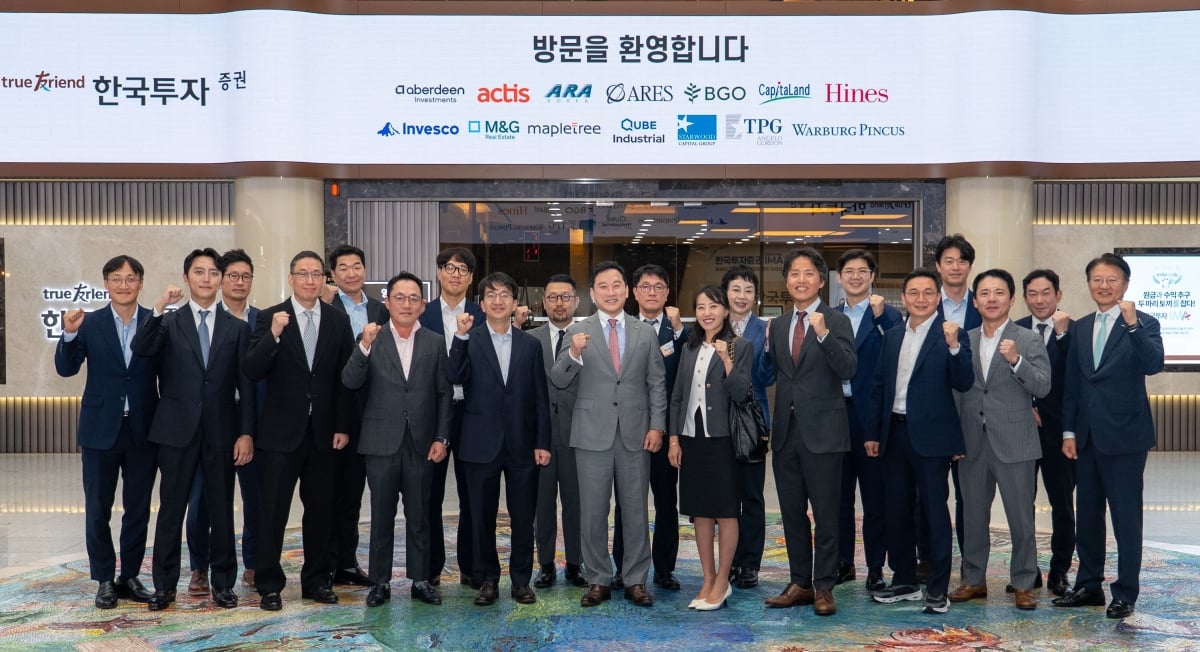
Korea Investment Hosts Global Alternative Investment Leaders Event
Korea Investment & Securities brought global alternative investment leaders to Korea to review strategies for domestic investors. The event focused on ETF portfolio diversification and access to private credit, infrastructure, real estate and hedge-fund-style strategies. Demand for overseas alternatives is expected to grow as rates and currency volatility re

Regional Venture Funds Turn K-Startup Discovery Into a New Growth Engine
K-content exports rose to a record $14.9 billion in 2025. The next growth challenge is discovering technology and content startups outside Seoul. Regional venture funds can fill early funding gaps and industrialize K-culture expansion. Follow-on capital, exits, and regulatory readiness will decide the outcome.
Busan Venture Ecosystem Gets 2 Trillion Won Fund Push With Financial Regulator
Busan and the Financial Services Commission began talks on July 3 to strengthen the regional venture ecosystem. The central measure is a 2 trillion won fund designed to expand startup and growth capital. Participation by financial and investment institutions could help ease Seoul-area concentration and support local innovation firms.
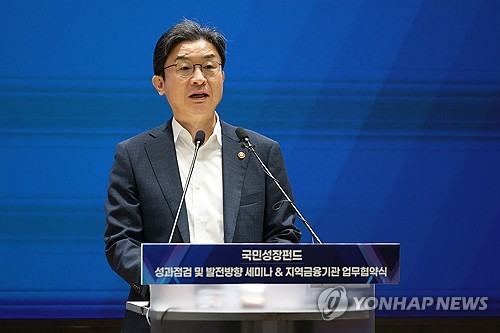
National Growth Fund Pushes Busan Future Mobility, Defense for Mega Project
Lee Eok-won identified a gap in the National Growth Fund: none of the 21 approved projects includes a Busan company. The next focus is the second mega project, where Busan future mobility and defense firms are set to seek approval. The outcome matters for Korean won funding, regional manufacturing and listed supply chains.

Income ETFs Target Near-Retirees as Daily Covered Calls Gain Ground
Income ETFs are becoming a larger part of retirement conversations as clients seek reliable cash flow. Daily covered call ETFs add a more frequent options-premium engine to that toolkit. The strategy can support distributions, but it does not eliminate market risk or guarantee income. Korean investors must also consider won-dollar conversion, taxation and ac

Fully Active ETF Legislation Speeds Up as Legacy Fund Conversion Looms
Korea’s fully active ETF framework is entering a faster legislative phase in the second half of 2026. The core change would loosen the current benchmark-correlation structure and expand manager discretion. The hardest issue is whether already listed active ETFs can convert. Investors may gain more won-listed strategies, but fees, disclosure and manager skill
ETF commuting trades set for November as Nextrade readies 12-hour Korean access
Nextrade is preparing to support ETF trading in November. If the 08:00~20:00 window is applied to ETFs, retail investors in Korea will be able to place orders before work and after work. ETF pricing will depend on index data, indicative NAV and liquidity provider quotes. The first test will be product scope, spread quality and investor protection during thin
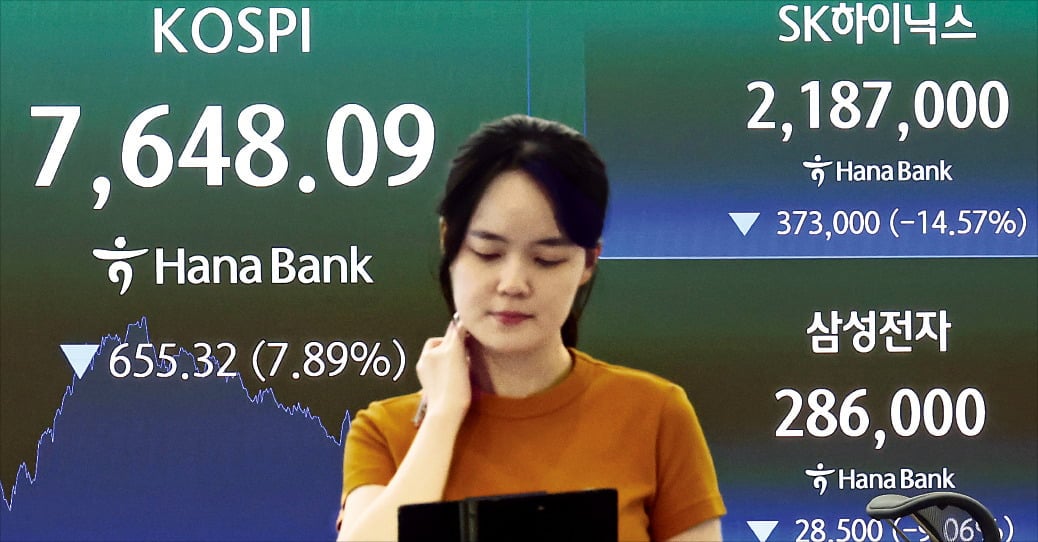
Meta Shock Lifts Leveraged ETF Risk as Samsung Earnings Set KOSPI Direction
Meta’s shock has exposed how 2x and 3x leveraged ETFs can magnify technology-stock losses. Korean investors are now focused on Samsung Electronics earnings as the main test of semiconductor recovery. Memory, HBM and foundry trends will shape KOSPI, KOSPI 200 ETFs and local chip ETFs.