Korea Investment Hosts Global Alternative Investment Leaders Event
Korea Investment & Securities brought global alternative investment leaders to Korea to review strategies for domestic investors. The event focused on ETF portfolio diversification and access to private credit, infrastructure, real estate and hedge-fund-style strategies. Demand for overseas alternatives is expected to grow as rates and currency volatility re
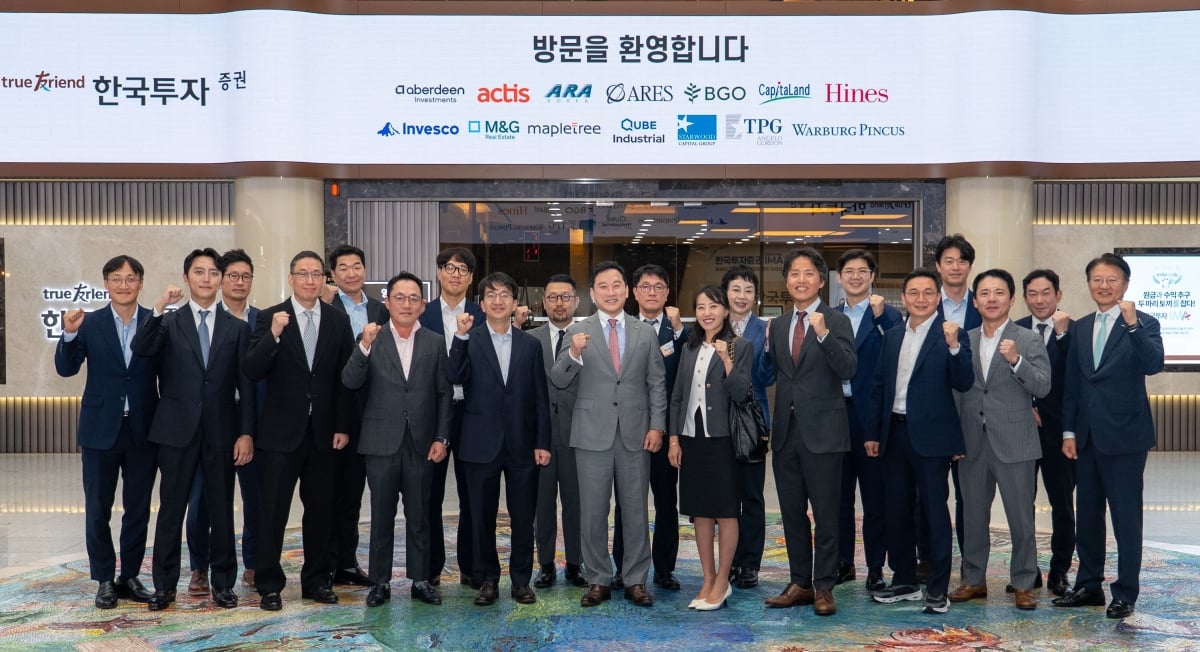
Korea Investment & Securities hosted an event inviting leaders from global alternative investment managers, placing alternative assets at the center of domestic wealth management strategy. The program reflected a market in which traditional stock-and-bond portfolios alone are no longer sufficient for volatility control and return diversification.
Rising Demand for Alternatives
The main agenda covered private credit, infrastructure, real estate and hedge-fund-style strategies, with discussion on how these assets can be combined with ETFs, funds, discretionary portfolios and advisory services. Alternative investments can offer income, defensive cash flow and differentiated return drivers, but they also require careful review of currency risk, liquidity, valuation cycles and fees.
For Korean investors, the decisive measure is return in Korean won. A dollar-denominated asset can generate positive local-currency returns but deliver weaker won-based results if the exchange rate moves unfavorably. Investors therefore need to check hedging, maturity, distribution frequency and redemption terms before allocating capital.
ETF Access Expands
Alternative investing in Korea was once largely limited to institutions and private products. Access is now broadening through ETFs, public funds, listed REITs and infrastructure vehicles. ETFs provide intraday trading, transparent holdings and relatively low costs. Where direct ETF ownership of private assets is difficult, managers may use listed proxies or index-based alternative strategies.
The event shows that brokerage competition is shifting from simple product distribution to portfolio solution design. The key for investors is not chasing a fashionable asset class, but balancing stocks, bonds, cash and alternatives according to risk tolerance and investment horizon. The next test is manager selection and product design that fits Korean tax, currency and liquidity conditions.
Key points
- Korea Investment & Securities brought global alternative investment leaders to Korea to review strategies for domestic investors. The event focused on ETF portfolio diversification and access to private credit, infrastructure, real estate and hedge-fund-style strategies. Demand for overseas alternatives is expected to grow as rates and currency volatility re
- Use the body and FAQ context before acting on this update.
- Compare with related issues inside the category hub.
FAQ
What was the purpose of the event?
It was held to connect global alternative investment expertise with Korean institutional and wealth management demand.
How can alternatives be used with ETFs?
Investors can use ETFs linked to listed infrastructure, REITs, commodities or alternative strategy indexes alongside funds and managed accounts.
What should Korean investors review first?
They should review won-based returns, currency hedging, liquidity, redemption terms, risk ratings and tax treatment.
Latest stories
ETF commuting trades set for November as Nextrade readies 12-hour Korean access
Nextrade is preparing to support ETF trading in November. If the 08:00~20:00 window is applied to ETFs, retail investors in Korea will be able to place orders before work and after work. ETF pricing will depend on index data, indicative NAV and liquidity provider quotes. The first test will be product scope, spread quality and investor protection during thin
Meta Shock Lifts Leveraged ETF Risk as Samsung Earnings Set KOSPI Direction
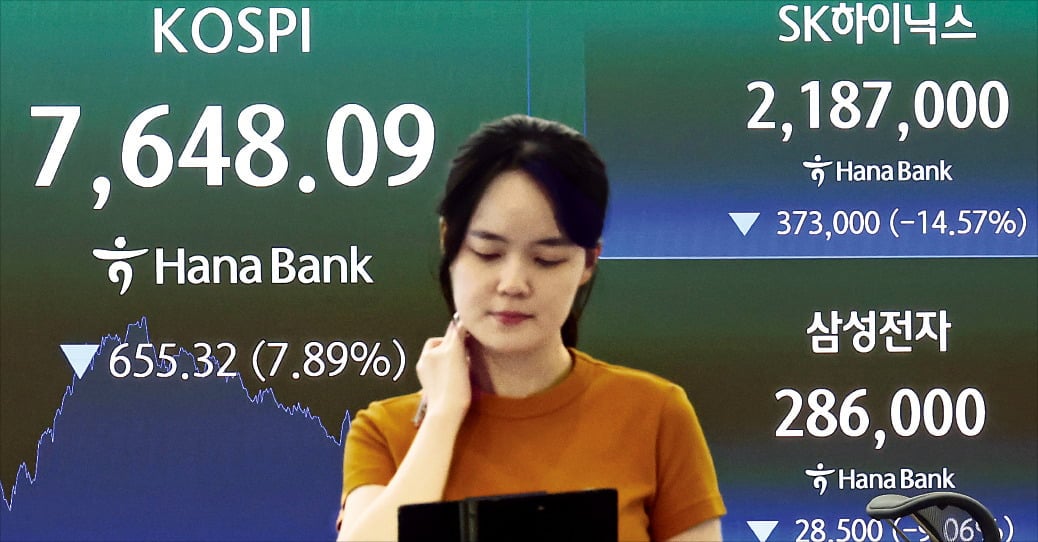
Meta’s shock has exposed how 2x and 3x leveraged ETFs can magnify technology-stock losses. Korean investors are now focused on Samsung Electronics earnings as the main test of semiconductor recovery. Memory, HBM and foundry trends will shape KOSPI, KOSPI 200 ETFs and local chip ETFs.
KCGI Leads 3040 Retirement Pension Funds With Korea-Tailored Design
KCGI has taken first place in retirement pension fund returns by attracting investors in their 30s and 40s. Its edge lies in fund design that reflects Korean retirement timing, won-based expenses and long-term risk control. The shift shows that pension competition is moving toward lifecycle-based asset management.
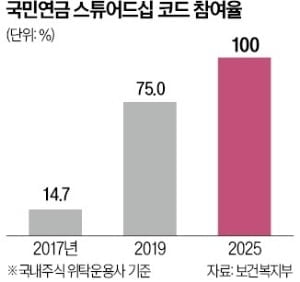
NPS to Directly Check External Managers’ Stewardship Code Practices
The National Pension Service is shifting to direct oversight of external managers’ stewardship code implementation. The move extends fiduciary responsibility beyond in-house portfolios to delegated mandates. Voting records, company engagement, ESG responses, conflict controls and reporting systems will become central review points. Korean ETF and asset manag

Leveraged ETF oversight tightens as Korea’s FSS summons asset managers
Korea’s FSS has summoned domestic asset managers, putting leveraged ETF oversight on the regulatory agenda. These funds target multiples of daily index moves, often 2x, but losses can accelerate when volatility rises. The review centers on product design, risk disclosure, liquidity controls and safeguards for retail investors.
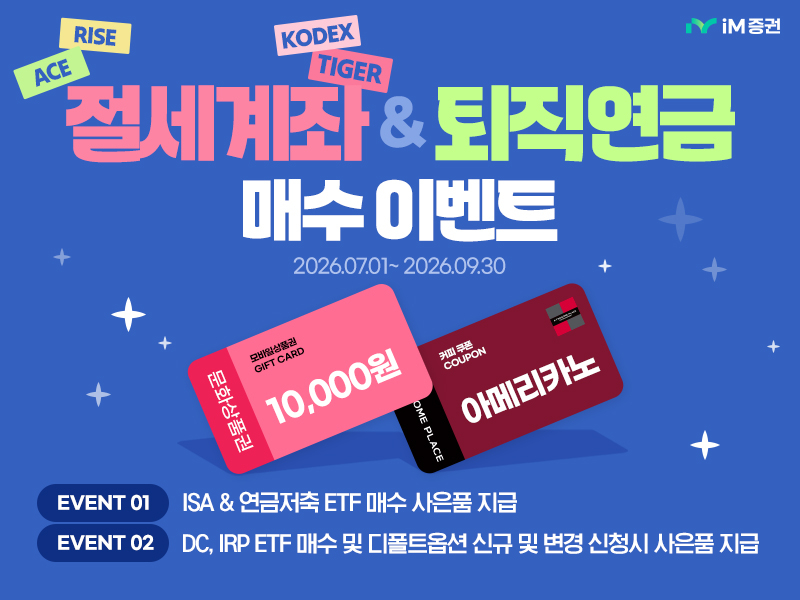
iM Securities ETF Trading Event for Tax-Saving and Retirement Accounts Runs Until Sept. 30
iM Securities is launching an ETF trading event for tax-saving and retirement pension accounts. The event runs from July 2 to Sept. 30. Eligible accounts include ISAs and retirement pension accounts. The move highlights stronger competition in Korea for long-term ETF investors using tax-advantaged accounts.

Comcast Media Spinoff Puts Sector and Dividend ETFs Under Review
Comcast’s media spinoff has become a key issue for sector and dividend ETFs that hold CMCSA. NBCUniversal and Sky will move into a separate listed company, forcing index providers and ETF managers to reassess classification, weights and dividend screens. Korean investors should monitor both U.S.-listed ETFs and Korea-listed overseas equity ETFs for rebalanci

Energy and Income ETFs Move Up the 2026 Portfolio Agenda as Amplify’s Nathan Miller Frames the Second Half
Energy ETFs and income ETFs emerged as key second-half portfolio themes at the late-June 2026 Midyear Outlook Symposium. Nathan Miller of Amplify ETFs framed the two areas around volatility management and cash-flow demand. For Korean investors, the practical issues include dollar distributions, exchange rates, trading costs, and account-level tax treatment.