Energy and Income ETFs Move Up the 2026 Portfolio Agenda as Amplify’s Nathan Miller Frames the Second Half
Energy ETFs and income ETFs emerged as key second-half portfolio themes at the late-June 2026 Midyear Outlook Symposium. Nathan Miller of Amplify ETFs framed the two areas around volatility management and cash-flow demand. For Korean investors, the practical issues include dollar distributions, exchange rates, trading costs, and account-level tax treatment.

Energy ETFs and income ETFs have moved to the front of the 2026 second-half portfolio debate. Nathan Miller, vice president of product development at Amplify ETFs, used the late-June 2026 Midyear Outlook Symposium to discuss how the two categories can address both market volatility and demand for portfolio income. The point was broader than a sector call. With rates, growth, and commodity prices moving together, investors and advisors need tools that can combine exposure, cash flow, and diversification for the remaining six months of the year.
Two Portfolio Roles
The timing matters. At the midpoint of 2026, portfolios face the risk of slower growth, renewed inflation pressure, and shifting expectations for rate cuts. Energy ETFs can provide exposure to oil, natural gas, energy infrastructure, and the cash flows of energy companies. Income ETFs can target distributions through dividends, option premiums, bonds, preferred securities, or other income-oriented structures. Neither category should be judged by headline yield alone. Energy funds remain sensitive to commodity swings, while income strategies require close attention to total return, fees, and distribution mechanics.
Korea Investor Context
For Korean investors using overseas ETFs, the dollar-to-won translation is central. U.S.-listed ETF distributions are generally paid in dollars, so the won value of the same payment changes with the exchange rate. Direct U.S. ETF ownership and Korea-listed overseas ETF wrappers can also differ in trading hours, currency conversion, tax handling, and retirement-account eligibility. The practical checklist starts with the underlying assets, distribution schedule, total expense ratio, currency hedge policy, and account type.
Outlook
Second-half ETF demand is likely to focus less on single themes and more on combinations. Energy ETFs may help when inflation or supply concerns return, but they can face pressure if economic growth weakens sharply. Income ETFs can serve investors seeking regular cash flow, yet a high distribution rate does not automatically mean a high total return. The more durable approach is measured sizing, with energy and income ETFs used as satellite exposures rather than full replacements for core stock and bond allocations.
Key points
- Energy ETFs and income ETFs emerged as key second-half portfolio themes at the late-June 2026 Midyear Outlook Symposium. Nathan Miller of Amplify ETFs framed the two areas around volatility management and cash-flow demand. For Korean investors, the practical issues include dollar distributions, exchange rates, trading costs, and account-level tax treatment.
- Use the body and FAQ context before acting on this update.
- Compare with related issues inside the category hub.
FAQ
Which ETFs were central to Nathan Miller’s discussion?
Energy ETFs and income ETFs, framed around second-half volatility management and portfolio cash-flow needs.
Do energy ETFs and income ETFs serve the same purpose?
No. Energy ETFs focus on commodity and energy-company exposure, while income ETFs are built around dividends, premiums, bonds, or other cash-flow sources.
What should Korean investors check first?
They should review underlying assets, expenses, distribution policy, currency exposure, won conversion effects, and account-level tax or trading conditions.
Latest stories
Samsung-SK Hynix Leveraged ETF Volatility Debate Points to Bigger Market Forces
The claim that single-stock leveraged and inverse ETFs drove the recent swings in Samsung Electronics and SK Hynix does not fit the market structure. These ETFs increased short-term trading but did not dominate cash-market price formation. Global semiconductor momentum, Iran-related geopolitical tension and won-dollar volatility were the main forces. Investo
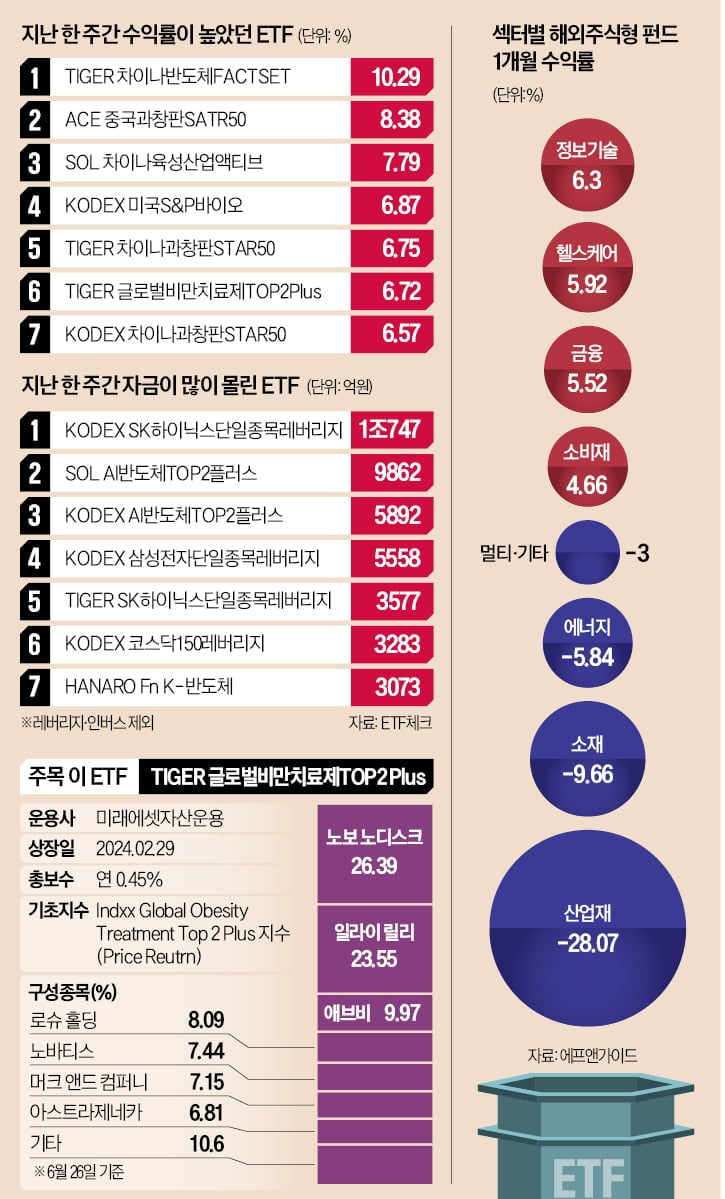
China ETF Rebound Gains Traction as U.S. Biotech ETFs Extend Strength
China-focused ETFs have moved into a rebound phase after a long period of weakness. U.S. biotech ETFs are also gaining as growth-stock sentiment improves and drug-development catalysts return. For Korean investors, won-based returns, exchange rates and account eligibility are central checks.
Qualcomm Data Center Push Puts AI Semiconductor ETFs in Focus
Qualcomm has become a leading example of a mature technology company being revalued through the AI trade. Its fast-growing data center chip business has made QCOM exposure more important for semiconductor, AI infrastructure and data center ETFs. Korean investors should also review won-based returns, currency hedging and the differences between locally listed

SDOG High-Dividend ETF Targets Income With Sector Diversification
SDOG is a U.S.-listed high-dividend ETF built around large-cap dividend stocks. It holds roughly 50 names selected across sectors and avoids heavy dependence on a few mega-cap stocks. The strategy targets dividend income and diversification, while currency moves and dividend stability remain key risks.

KOSPI 10,000 Call Gains Force as 60% of Fund Managers See It Within Three Months
A 10,000-point KOSPI has moved to the center of Korea’s market debate. Sixty percent of fund managers expect the index to reach that level within three months. The view strengthens interest in Korean equity ETFs and KOSPI 200 trackers, while also raising the need to monitor currency, rates and foreign flows.
Kevin Warsh Fed Puts Long-Term Treasury Covered Call ETFs Back in Focus
Kevin Warsh’s Fed kept the federal funds target range at 3.50% to 3.75% in June and stressed price stability. TLTW combines exposure to Treasuries beyond 20 years with covered call income. As of June 26, assets were $1.94 billion, the distribution rate was 11.57% and effective duration was 15.41 years. Korean investors also face won-dollar and overseas ETF t
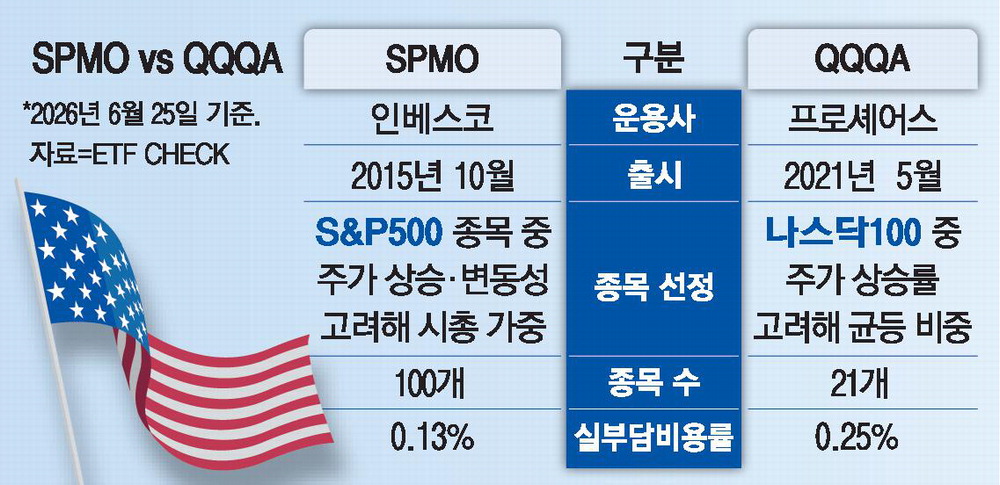
Samjeonnix Leveraged ETF Concentrates on Samsung Electronics and SK Hynix
The Samjeonnix leveraged ETF is built around Samsung Electronics and SK Hynix. Unlike diversified ETFs, it concentrates on two Korean semiconductor leaders. Its 2x daily structure can amplify gains in rallies and losses in downturns. Investors need clear holding periods and risk controls.
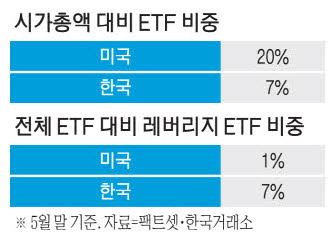
U.S. ETFs Reach 20% of Market Cap, Yet Distortion Fears Stay Limited
U.S. ETFs now represent about one-fifth of equity-market capitalization, but they have not become a dominant source of stock-level distortion. Long-term investment demand, market makers, authorized participants and arbitrage keep ETF prices close to underlying value. Korea’s ETF market needs stronger liquidity controls and investor education as it grows.