Micron Earnings Surprise Revives AI Memory Semiconductor ETF Momentum
Micron’s fiscal third-quarter numbers reset the near-term case for memory ETFs. Adjusted EPS reached $25.11 and revenue hit $41.46 billion, far above market expectations. AI inference is deepening demand for HBM, DRAM and NAND while supply remains slow to respond. Korean investors should weigh FX, tax, hedge structure and exposure to Samsung Electronics and

Micron’s fiscal 2026 third-quarter surprise put memory semiconductor ETFs back in front. After the June 24 close, the company posted adjusted EPS of $25.11 and revenue of $41.46 billion, proving that AI infrastructure demand is also a memory story, not only a GPU trade.
Numbers That Changed the Tape
Market expectations sat near $20 to $21 in EPS and about $36 billion in revenue. Micron beat both, revenue more than quadrupled from a year earlier, and gross margin rose into the mid-80% range. At 1,370 won per dollar, quarterly revenue equals about 56.8 trillion won; the roughly $50 billion next-quarter revenue view equals about 68.5 trillion won.
ETF Impact
AI inference requires fast HBM, DRAM and NAND, while new memory supply takes years to add. That supports prices, margins and earnings revisions for Micron and for ETF baskets tied to memory, equipment, materials and storage.
Korean Market Lens
Korean investors should compare U.S.-listed ETFs with Korea-listed overseas semiconductor ETFs by Micron weight, hedge policy, tax treatment and exposure to Samsung Electronics and SK hynix. Near term, pure memory exposure is positioned to benefit; the main risks are a peak in memory pricing, slower AI server spending and dollar-won volatility.
Key points
- Micron’s fiscal third-quarter numbers reset the near-term case for memory ETFs. Adjusted EPS reached $25.11 and revenue hit $41.46 billion, far above market expectations. AI inference is deepening demand for HBM, DRAM and NAND while supply remains slow to respond. Korean investors should weigh FX, tax, hedge structure and exposure to Samsung Electronics and
- Use the body and FAQ context before acting on this update.
- Compare with related issues inside the category hub.
FAQ
Why does Micron’s result matter for memory semiconductor ETFs?
Micron is a direct barometer for DRAM, NAND and HBM demand. A large earnings beat can improve sentiment and earnings expectations for ETFs holding memory-related companies.
What do memory semiconductor ETFs usually hold?
They may include memory makers such as Micron, chip equipment and materials companies, and high-performance storage names. Micron weight and pure memory exposure vary by product.
What should Korean investors check first?
They should review dollar-won exposure, hedge policy, tax treatment, index methodology and Micron weight, while also watching links to Samsung Electronics and SK hynix.
Latest stories
Qualcomm Data Center Push Puts AI Semiconductor ETFs in Focus
Qualcomm has become a leading example of a mature technology company being revalued through the AI trade. Its fast-growing data center chip business has made QCOM exposure more important for semiconductor, AI infrastructure and data center ETFs. Korean investors should also review won-based returns, currency hedging and the differences between locally listed

SDOG High-Dividend ETF Targets Income With Sector Diversification
SDOG is a U.S.-listed high-dividend ETF built around large-cap dividend stocks. It holds roughly 50 names selected across sectors and avoids heavy dependence on a few mega-cap stocks. The strategy targets dividend income and diversification, while currency moves and dividend stability remain key risks.

KOSPI 10,000 Call Gains Force as 60% of Fund Managers See It Within Three Months
A 10,000-point KOSPI has moved to the center of Korea’s market debate. Sixty percent of fund managers expect the index to reach that level within three months. The view strengthens interest in Korean equity ETFs and KOSPI 200 trackers, while also raising the need to monitor currency, rates and foreign flows.

Kevin Warsh Fed Puts Long-Term Treasury Covered Call ETFs Back in Focus
Kevin Warsh’s Fed kept the federal funds target range at 3.50% to 3.75% in June and stressed price stability. TLTW combines exposure to Treasuries beyond 20 years with covered call income. As of June 26, assets were $1.94 billion, the distribution rate was 11.57% and effective duration was 15.41 years. Korean investors also face won-dollar and overseas ETF t
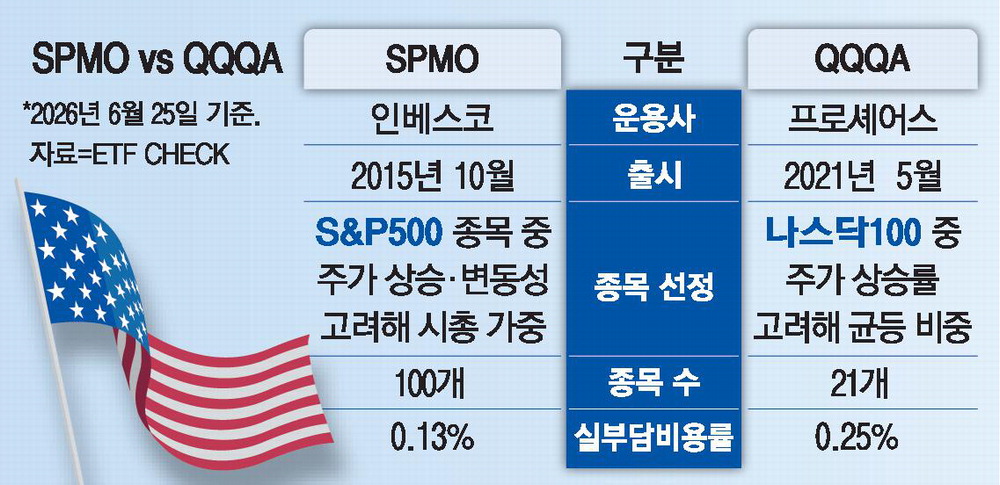
Samjeonnix Leveraged ETF Concentrates on Samsung Electronics and SK Hynix
The Samjeonnix leveraged ETF is built around Samsung Electronics and SK Hynix. Unlike diversified ETFs, it concentrates on two Korean semiconductor leaders. Its 2x daily structure can amplify gains in rallies and losses in downturns. Investors need clear holding periods and risk controls.
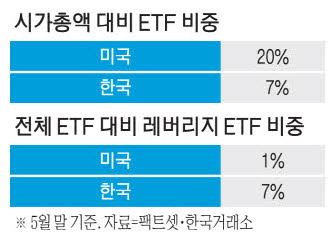
U.S. ETFs Reach 20% of Market Cap, Yet Distortion Fears Stay Limited
U.S. ETFs now represent about one-fifth of equity-market capitalization, but they have not become a dominant source of stock-level distortion. Long-term investment demand, market makers, authorized participants and arbitrage keep ETF prices close to underlying value. Korea’s ETF market needs stronger liquidity controls and investor education as it grows.
SpaceX-Tesla Value Chain Fund Set for July Launch With Tesla Exposure Above 40%
Mirae Asset Global Investments is preparing the ‘SpaceX Tesla Value Chain’ public fund for a July launch. It will be the first Korean public fund to use SpaceX in its product name. Exposure tied to Tesla and related assets will exceed 40%. The fund targets Korean demand for high-growth space, EV and AI infrastructure themes.

SpaceX Public Fund Debuts as Mirae Asset Opens a New Access Point
Mirae Asset Global Investments will introduce a public fund on July 1 that places the SpaceX name in the product title for the first time in Korea’s asset management industry. The fund is designed to broaden retail access to private space and Tesla-related growth themes. It marks a notable test of how Korea’s public fund market handles private innovation the