Sovereign Funds Shift From Stocks to Private Assets as Dollar Doubts Grow
Long-term capital controlled by sovereign wealth funds and central banks is shifting away from listed equities toward private assets and infrastructure. Equity risk and weakening confidence in dollar assets are driving the move. The trend is also relevant for Korean investors through currency risk, ETF flows and pension allocation.
Sovereign wealth funds and central banks are reducing their dependence on public equities and increasing exposure to private assets, infrastructure, real estate and energy-linked real assets. The move reflects a broader reassessment of listed-market volatility and the dollar-centered financial system. This is not simply a defensive rotation. Long-term investors are placing greater value on predictable cash flow, inflation-linked revenue and tangible assets.
Cash Flow Over Equity Beta
Infrastructure assets such as airports, ports, power grids, data centers and transmission networks are gaining favor because they often generate long-duration income through contracts, user fees or regulated returns. Listed stocks respond immediately to interest rates, earnings cycles and geopolitical shocks, while core infrastructure can provide steadier operating cash flow.
Private assets are moving in the same direction. Private equity, private credit and private real estate do not reprice every trading day and can allow managers to influence operations, capital structure and governance. The trade-off is clear: lower liquidity, slower valuation updates and a higher need for specialist due diligence.
Dollar Risk Reshapes Reserves
Central banks face an added challenge. The dollar remains the anchor of global reserves, but high debt levels, fiscal pressure, sanctions risk and exchange-rate volatility are encouraging broader diversification. Some long-term capital is reviewing exposure to dollar bonds and U.S. equities while increasing allocations to gold, non-dollar currencies, real assets and infrastructure.
For Korean investors, the issue quickly becomes one of currency-adjusted returns. A $1 trillion portfolio equals about 1,300 trillion won at an exchange rate of 1,300 won per dollar. Even a modest reallocation by major sovereign funds can influence overseas asset returns, hedging costs and the alternative investment strategy of Korean pension funds.
Domestic ETF demand may therefore tilt toward infrastructure, REITs, gold, dividend strategies and currency-hedged products. Individual investors, however, cannot copy sovereign fund portfolios directly. Private assets have limited transparency and liquidity, while infrastructure valuations remain sensitive to interest rates and economic conditions.
Key points
- Long-term capital controlled by sovereign wealth funds and central banks is shifting away from listed equities toward private assets and infrastructure. Equity risk and weakening confidence in dollar assets are driving the move. The trend is also relevant for Korean investors through currency risk, ETF flows and pension allocation.
- Use the body and FAQ context before acting on this update.
- Compare with related issues inside the category hub.
FAQ
Why are sovereign funds reducing equity exposure?
They are responding to higher equity volatility and weaker confidence in dollar assets by seeking steadier cash flows in private assets and infrastructure.
What does this mean for Korean ETF investors?
Interest may rise in infrastructure, REIT, gold, dividend and currency-hedged ETFs, but exchange rates and hedging costs remain critical.
Are private assets and infrastructure low-risk investments?
They can offer long-term cash flow, but they carry liquidity, valuation, interest-rate and economic-cycle risks.
Latest stories

KOSPI 10,000 Call Gains Force as 60% of Fund Managers See It Within Three Months
A 10,000-point KOSPI has moved to the center of Korea’s market debate. Sixty percent of fund managers expect the index to reach that level within three months. The view strengthens interest in Korean equity ETFs and KOSPI 200 trackers, while also raising the need to monitor currency, rates and foreign flows.
Kevin Warsh Fed Puts Long-Term Treasury Covered Call ETFs Back in Focus
Kevin Warsh’s Fed kept the federal funds target range at 3.50% to 3.75% in June and stressed price stability. TLTW combines exposure to Treasuries beyond 20 years with covered call income. As of June 26, assets were $1.94 billion, the distribution rate was 11.57% and effective duration was 15.41 years. Korean investors also face won-dollar and overseas ETF t
Samjeonnix Leveraged ETF Concentrates on Samsung Electronics and SK Hynix
The Samjeonnix leveraged ETF is built around Samsung Electronics and SK Hynix. Unlike diversified ETFs, it concentrates on two Korean semiconductor leaders. Its 2x daily structure can amplify gains in rallies and losses in downturns. Investors need clear holding periods and risk controls.
U.S. ETFs Reach 20% of Market Cap, Yet Distortion Fears Stay Limited
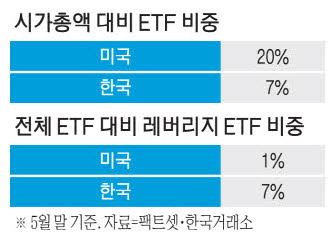
U.S. ETFs now represent about one-fifth of equity-market capitalization, but they have not become a dominant source of stock-level distortion. Long-term investment demand, market makers, authorized participants and arbitrage keep ETF prices close to underlying value. Korea’s ETF market needs stronger liquidity controls and investor education as it grows.
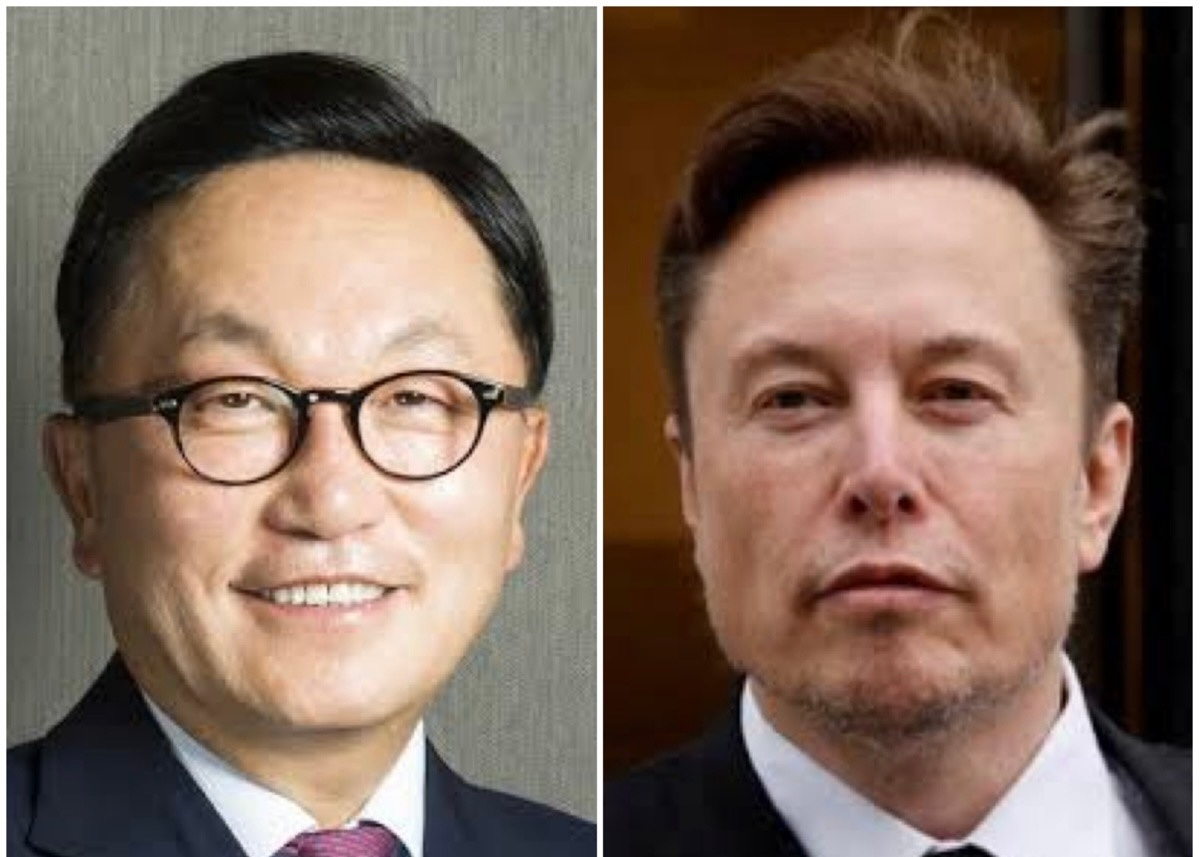
SpaceX-Tesla Value Chain Fund Set for July Launch With Tesla Exposure Above 40%
Mirae Asset Global Investments is preparing the ‘SpaceX Tesla Value Chain’ public fund for a July launch. It will be the first Korean public fund to use SpaceX in its product name. Exposure tied to Tesla and related assets will exceed 40%. The fund targets Korean demand for high-growth space, EV and AI infrastructure themes.

SpaceX Public Fund Debuts as Mirae Asset Opens a New Access Point
Mirae Asset Global Investments will introduce a public fund on July 1 that places the SpaceX name in the product title for the first time in Korea’s asset management industry. The fund is designed to broaden retail access to private space and Tesla-related growth themes. It marks a notable test of how Korea’s public fund market handles private innovation the

GPIQ Income ETF on Track to Double Assets This Year
GPIQ combines Nasdaq-100 exposure with a premium income approach. Demand for income ETFs has strengthened as investors seek regular distributions and a buffer against uncertainty. The fund’s asset growth signals broader interest in covered-call and dividend-oriented ETF strategies. Korean investors must also weigh currency, tax and distribution risks.

MANGOS ETFs Rise as Space and AI IPO Hopes Extend Big Tech Trade
ETF demand is moving beyond familiar mega-cap technology exposure toward a concentrated MANGOS theme tied to space, AI and next-generation platforms. SpaceX’s successful early-June launch strengthened expectations around future IPO candidates such as Anthropic and OpenAI. For Korean investors, currency effects, overseas ETF taxation and concentration risk ar