Samsung-SK Hynix Leveraged ETF Volatility Debate Points to Bigger Market Forces
The claim that single-stock leveraged and inverse ETFs drove the recent swings in Samsung Electronics and SK Hynix does not fit the market structure. These ETFs increased short-term trading but did not dominate cash-market price formation. Global semiconductor momentum, Iran-related geopolitical tension and won-dollar volatility were the main forces. Investo
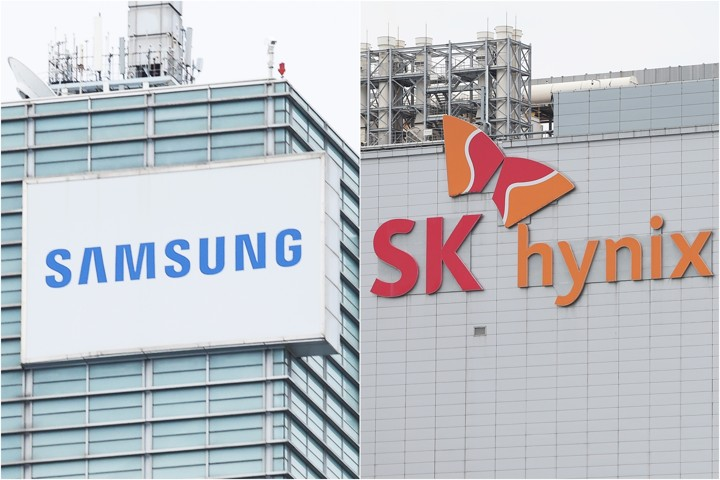
Samsung Electronics and SK Hynix did not swing mainly because of single-stock leveraged ETFs. Products linked to the two stocks helped concentrate short-term trades, but the main price drivers were a global semiconductor rally, Iran-related geopolitical risk and uncertainty in the won-dollar exchange rate.
Why ETF Impact Was Limited
Single-stock leveraged ETFs are designed to target about twice the daily move of the underlying share, while inverse products move in the opposite direction. That structure can increase intraday trading and closing rebalancing. But for ETFs to dominate Samsung Electronics or SK Hynix cash-market prices, assets, turnover and creations or redemptions would need to expand in the same direction at scale. In this period, large-cap cash flows, foreign investor activity and program trading carried more weight. ETFs followed volatility more than they created it.
Chips and Currency Amplified Moves
Samsung Electronics and SK Hynix are major KOSPI exporters and core memory-chip names. When expectations for AI semiconductors and memory improve globally, Korean chip shares are repriced quickly. At the same time, Iran-related energy concerns, safe-haven demand and won-dollar swings accelerated foreign trading. For Korean investors, dollar-based semiconductor gains and exchange-rate changes are reflected together in won terms, making the move feel larger.
Investor Takeaway
The key question is not whether leveraged ETFs controlled the shares, but whether investors can handle daily compounding and tracking error. Leveraged and inverse ETFs can diverge from the underlying stock over time when markets fluctuate. Trading in Samsung and SK Hynix ETFs may remain active while chip-cycle expectations, geopolitics and currency moves overlap. Still, the primary variables are global technology sentiment, foreign flows and the value of the won.
Key points
- The claim that single-stock leveraged and inverse ETFs drove the recent swings in Samsung Electronics and SK Hynix does not fit the market structure. These ETFs increased short-term trading but did not dominate cash-market price formation. Global semiconductor momentum, Iran-related geopolitical tension and won-dollar volatility were the main forces. Investo
- Use the body and FAQ context before acting on this update.
- Compare with related issues inside the category hub.
FAQ
Did leveraged ETFs cause the Samsung and SK Hynix swings?
Their impact was limited. They increased short-term activity, but global chip momentum, foreign flows and currency moves were the main drivers.
Why did volatility rise?
Global semiconductor gains, AI and memory-cycle expectations, Iran-related geopolitical risk and won-dollar uncertainty moved at the same time.
What should retail investors check?
They should review the daily 2x structure, compounding effects, tracking error and possible volatility from closing rebalancing.
Latest stories
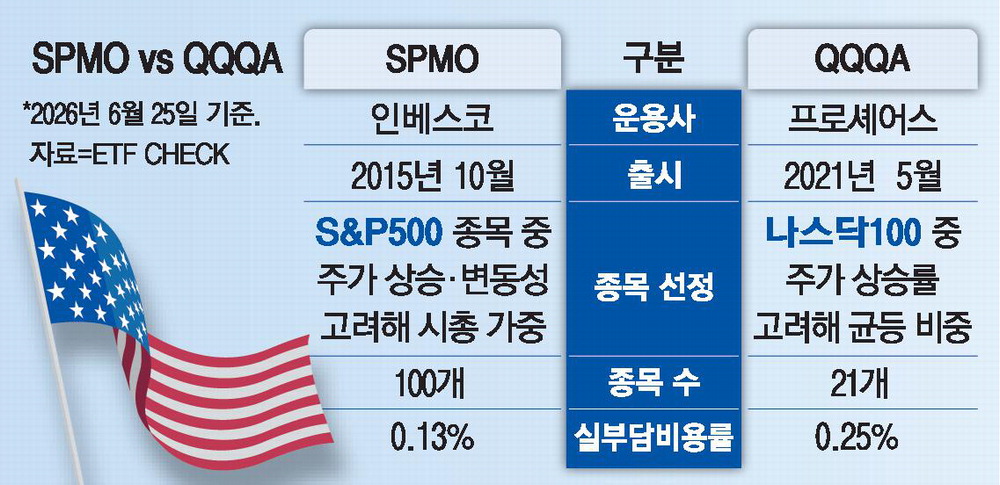
Samjeonnix Leveraged ETF Concentrates on Samsung Electronics and SK Hynix
The Samjeonnix leveraged ETF is built around Samsung Electronics and SK Hynix. Unlike diversified ETFs, it concentrates on two Korean semiconductor leaders. Its 2x daily structure can amplify gains in rallies and losses in downturns. Investors need clear holding periods and risk controls.
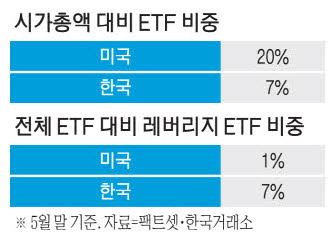
U.S. ETFs Reach 20% of Market Cap, Yet Distortion Fears Stay Limited
U.S. ETFs now represent about one-fifth of equity-market capitalization, but they have not become a dominant source of stock-level distortion. Long-term investment demand, market makers, authorized participants and arbitrage keep ETF prices close to underlying value. Korea’s ETF market needs stronger liquidity controls and investor education as it grows.
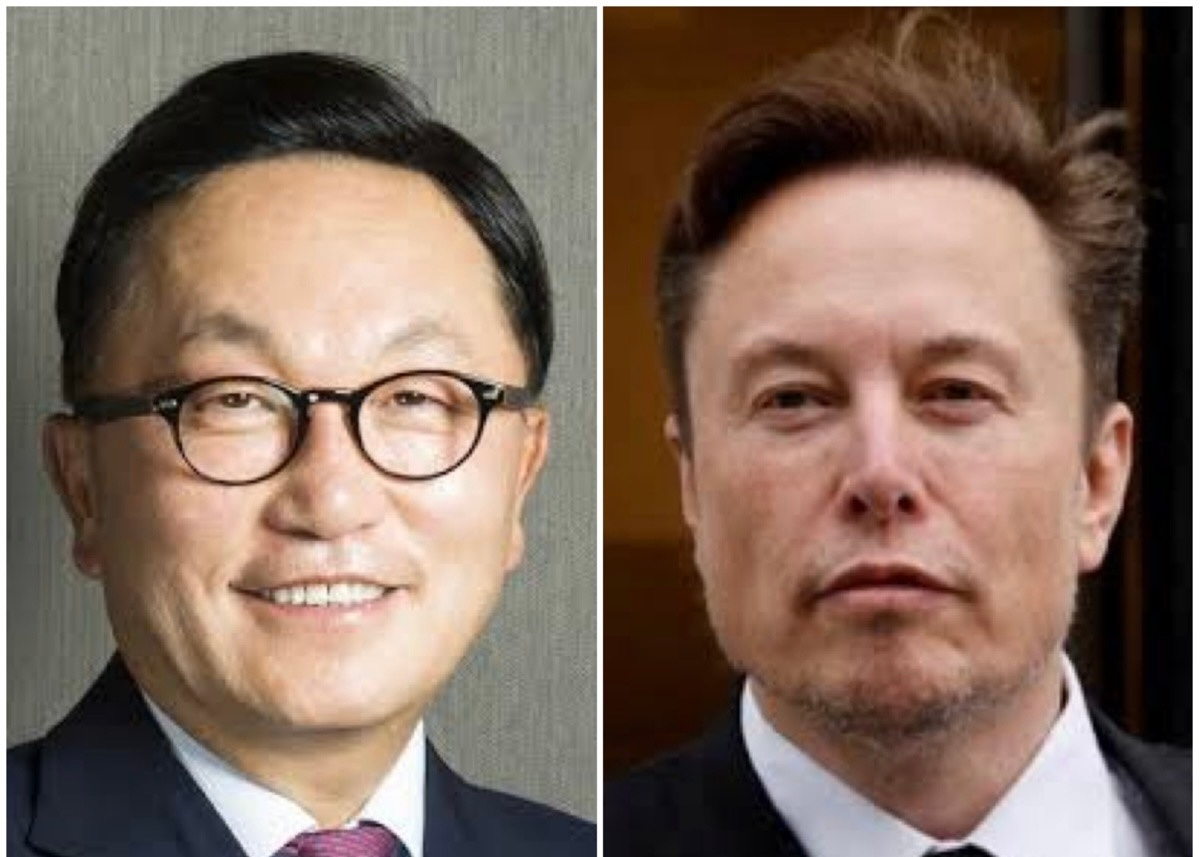
SpaceX-Tesla Value Chain Fund Set for July Launch With Tesla Exposure Above 40%
Mirae Asset Global Investments is preparing the ‘SpaceX Tesla Value Chain’ public fund for a July launch. It will be the first Korean public fund to use SpaceX in its product name. Exposure tied to Tesla and related assets will exceed 40%. The fund targets Korean demand for high-growth space, EV and AI infrastructure themes.
SpaceX Public Fund Debuts as Mirae Asset Opens a New Access Point
Mirae Asset Global Investments will introduce a public fund on July 1 that places the SpaceX name in the product title for the first time in Korea’s asset management industry. The fund is designed to broaden retail access to private space and Tesla-related growth themes. It marks a notable test of how Korea’s public fund market handles private innovation the

GPIQ Income ETF on Track to Double Assets This Year
GPIQ combines Nasdaq-100 exposure with a premium income approach. Demand for income ETFs has strengthened as investors seek regular distributions and a buffer against uncertainty. The fund’s asset growth signals broader interest in covered-call and dividend-oriented ETF strategies. Korean investors must also weigh currency, tax and distribution risks.

MANGOS ETFs Rise as Space and AI IPO Hopes Extend Big Tech Trade
ETF demand is moving beyond familiar mega-cap technology exposure toward a concentrated MANGOS theme tied to space, AI and next-generation platforms. SpaceX’s successful early-June launch strengthened expectations around future IPO candidates such as Anthropic and OpenAI. For Korean investors, currency effects, overseas ETF taxation and concentration risk ar

European Defense ETF: Pullback Revives a Selective Buy Case
Defense stocks and ETFs have frustrated investors who expected geopolitical stress to lift the sector. The Iran-war catalyst failed to deliver for U.S. defense equities, and signs of U.S.-Iran de-escalation deepened pullbacks. A European defense ETF depends more on long defense budgets and procurement cycles than short war headlines. Korean investors must ad
Thematic ETFs Seek Strategic Role Beyond AI in Memory, Robotics and Space
Thematic ETFs are no longer defined only by AI and machine learning. Memory, robotics and space exploration are becoming the next areas for targeted growth exposure. The central question is how much room these ETFs should occupy inside a diversified portfolio. Korean investors also need to weigh currency, tax, hedging and pension-account access.