SpaceX Public Fund Debuts as Mirae Asset Opens a New Access Point
Mirae Asset Global Investments will introduce a public fund on July 1 that places the SpaceX name in the product title for the first time in Korea’s asset management industry. The fund is designed to broaden retail access to private space and Tesla-related growth themes. It marks a notable test of how Korea’s public fund market handles private innovation the
Mirae Asset Global Investments will launch on July 1 a public fund that includes “SpaceX” in its product name, the first such case in Korea’s asset management industry. The product connects retail investors with the private space industry and the Tesla-centered growth value chain through a regulated public fund structure.
First Public Fund With the SpaceX Name
The fund’s defining feature is the direct use of SpaceX in the product name. Such naming is unusual in Korea’s public fund market, especially for a major private innovation company. SpaceX is central to reusable rockets, satellite internet and commercial launch services. Tesla anchors global growth themes spanning electric vehicles, energy storage, autonomous driving software and battery supply chains. Mirae Asset is packaging this investment narrative around aerospace, EVs, artificial intelligence, batteries, semiconductors and communications infrastructure.
Easier Access for Korean Investors
Because SpaceX is not publicly listed, Korean retail investors cannot easily buy its shares through ordinary brokerage accounts. Access has largely been limited to private-market vehicles, overseas private stakes or listed companies with partial exposure. A public fund sits inside Korea’s disclosure and sales framework, making information and access more standardized than private funds. Still, the SpaceX name does not mean the entire portfolio is invested in SpaceX. Investors need to review holdings, private-asset exposure, currency hedging, fees and redemption terms.
Won-Based Return Matters
For Korean investors, the key issue is return in won terms. U.S. growth assets and aerospace themes are heavily dollar-linked, so exchange-rate moves can affect fund performance. A weaker won can lift the translated value of dollar assets, while a stronger won can reduce part of the gain. Private space also carries volatility tied to launch schedules, technology validation, regulation and financing conditions. The fund will show how Korea’s public fund market can absorb private innovation and next-generation industry themes beyond simple index products.
Key points
- Mirae Asset Global Investments will introduce a public fund on July 1 that places the SpaceX name in the product title for the first time in Korea’s asset management industry. The fund is designed to broaden retail access to private space and Tesla-related growth themes. It marks a notable test of how Korea’s public fund market handles private innovation the
- Use the body and FAQ context before acting on this update.
- Compare with related issues inside the category hub.
FAQ
When will Mirae Asset’s SpaceX public fund launch?
The fund is scheduled to launch on July 1 as Korea’s first public fund with SpaceX in the product name.
Does the fund invest only in SpaceX?
No. The exact assets and weights must be checked in the prospectus. Tesla value-chain and related growth themes may also be included.
What should Korean investors watch?
They should review private-asset exposure, won-dollar currency impact, hedging policy, fees, redemption terms and the volatility of aerospace themes.
Latest stories

QGRO and VALQ Rebalance Holdings as Growth, Value ETF Signals Shift
QGRO and VALQ completed scheduled index rebalances and updated their holdings. The move offers a useful read on growth versus value leadership. Index ETF changes are rules-based, making them valuable market signals. Korean investors should also consider FX, taxes and overseas trading costs.
Yellow Umbrella Upgrades Its 35 Trillion Won Investment System With Pension-Style Allocation
Yellow Umbrella is redesigning the management of its 35 trillion won asset base around a longer-term institutional framework. The plan centers on pension-style asset allocation and integrated portfolio management. The shift aims to improve stability and risk-adjusted returns while protecting small business members.
KOSDAQ 150 Covered Call Active ETF to List on June 30
Kiwoom Asset Management will list the KOSDAQ 150 Covered Call Active ETF on June 30. The fund combines exposure to KOSDAQ 150-linked assets with a call option writing strategy. Investors may seek income from option premiums while retaining exposure to Korean growth stocks. Upside caps and principal loss risk remain key considerations.
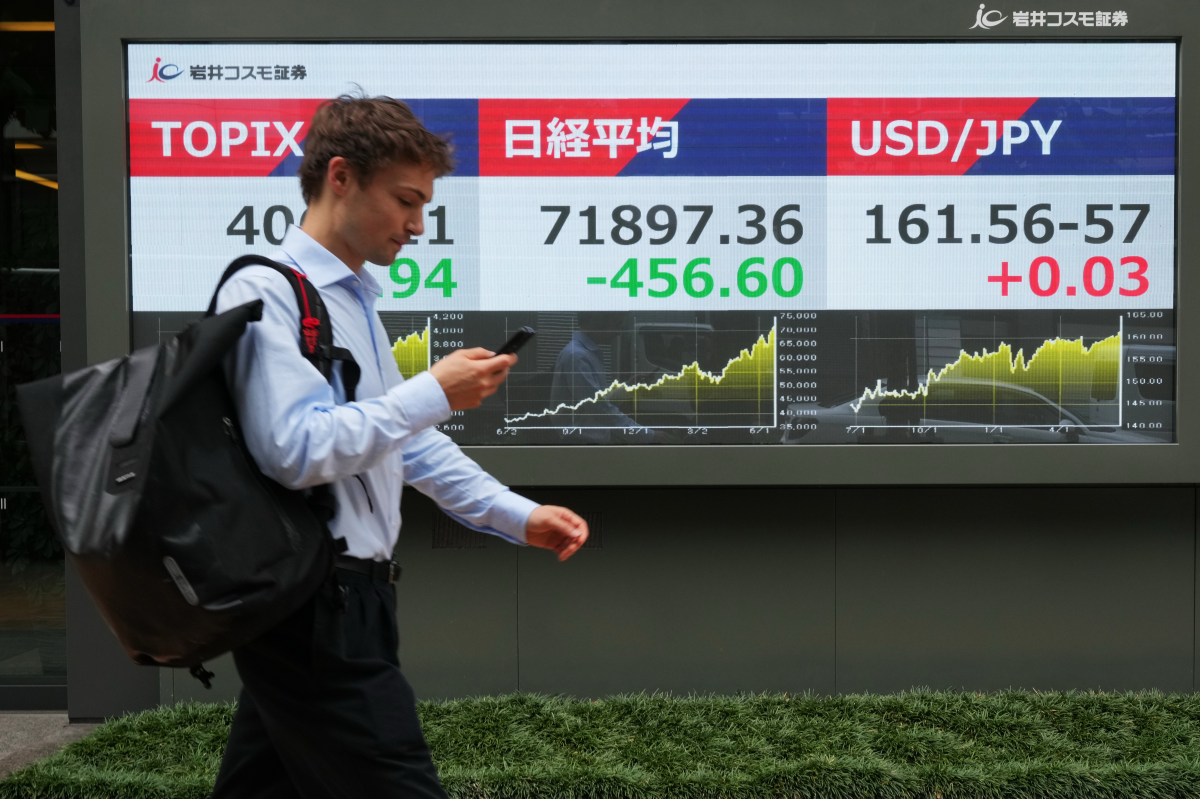
Korea, Japan and Taiwan ETFs Surge as Second-Half Strategy Turns Defensive
Asia country ETFs delivered sharply different gains in the first half of 2026. As of June 25 NAV total return, the Korea ETF led with 108.98%, followed by Taiwan at 66.16% and Japan at 15.76%. The second-half test is valuation, currency, policy and semiconductor concentration risk.
SK Hynix ADR Entry Into U.S. Semiconductor ETFs Reshapes AI Memory Exposure
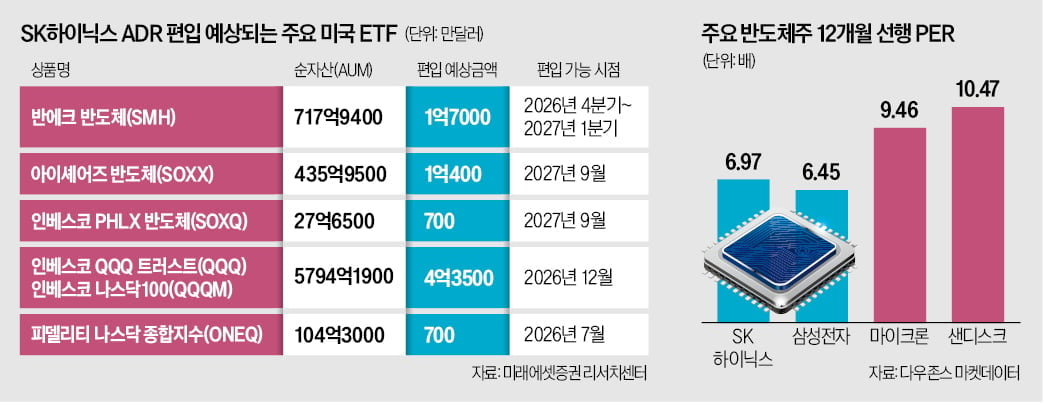
SK Hynix’s ADR will become eligible for U.S. semiconductor ETF portfolios as the company moves toward a July 10, 2026 Nasdaq listing. The structure sets 10 ADRs equal to one common share. The planned transaction has a ceiling of 45.45 trillion won, or about $29.4 billion, tied to fabs, HBM packaging and EUV tools. Korean investors must compare common shares,
National Growth Fund to Put 370 Billion Won Into Wind, Subsea Cables and Chips
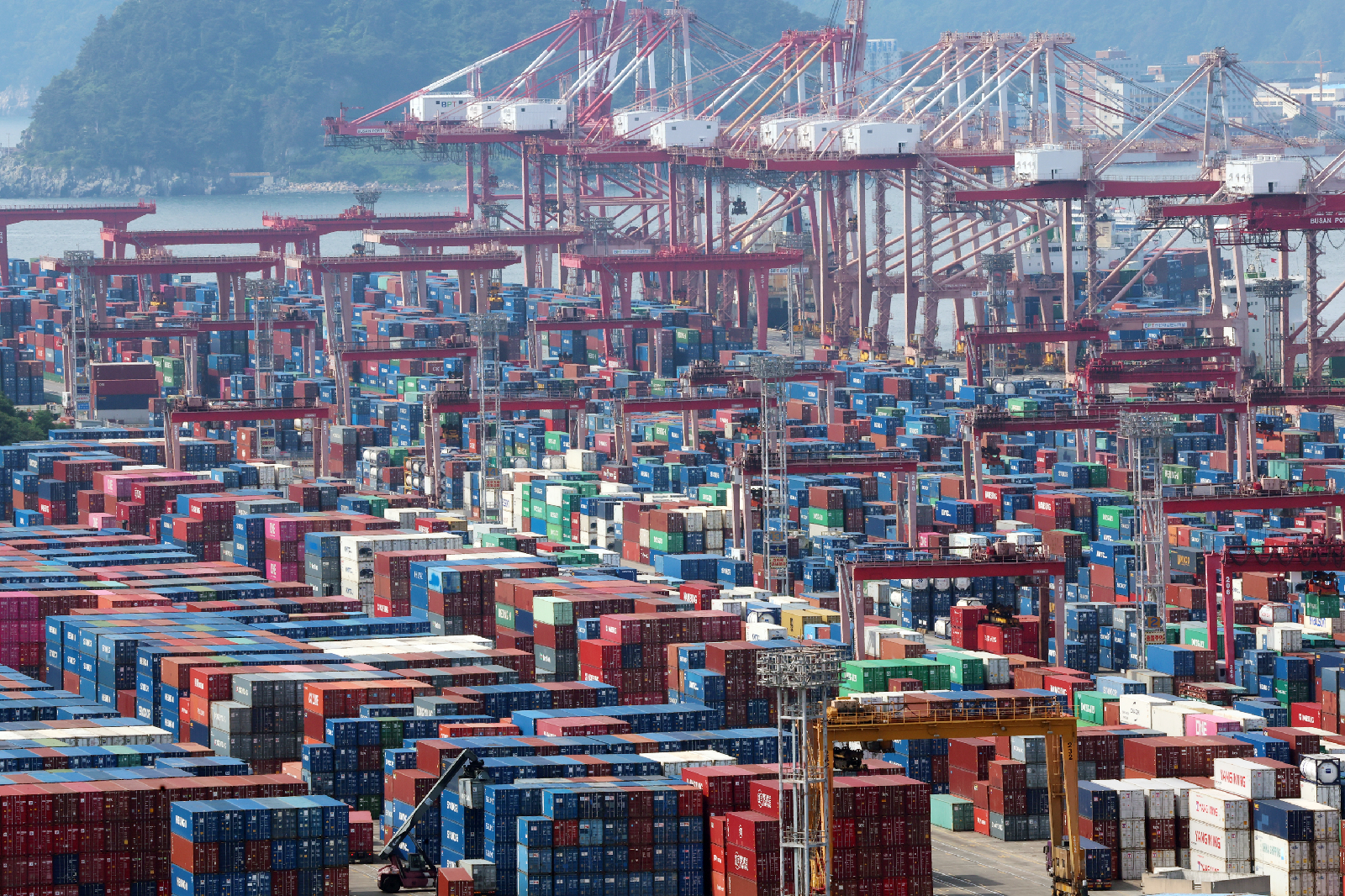
The National Growth Fund is directing 370 billion won into power infrastructure and semiconductor supply chains. The target areas are wind power, subsea cables and chip materials, parts and equipment. The move is expected to support Korea’s renewable energy, grid-equipment and semiconductor value chains.

Semiconductor ETF concentration rises as retail money moves into AI chip leaders
Retail investors are moving from broad semiconductor exposure toward concentrated ETFs. KODEX Semiconductor and TIGER Semiconductor hold more than 60% in SK hynix and Samsung Electronics, while TIGER AI Semiconductor Core Process has 75% in its top five holdings. Returns remain strong, but recent pullbacks make fees, NAV gaps and tax treatment important.
Momentum ETF Drops Tesla, Gains 64% in 2026 on Winner-Only Leverage
The standout momentum ETF of 2026 has removed Tesla and kept stocks with stronger return contribution. It is up 64% this year, more than three times the return of its base index. Its leverage exposure tied to Samsung Electronics and SK Hynix can amplify gains in a semiconductor rally but also magnify losses. Korean investors need to check won returns, deriva