Meta Shock Lifts Leveraged ETF Risk as Samsung Earnings Set KOSPI Direction
Meta’s shock has exposed how 2x and 3x leveraged ETFs can magnify technology-stock losses. Korean investors are now focused on Samsung Electronics earnings as the main test of semiconductor recovery. Memory, HBM and foundry trends will shape KOSPI, KOSPI 200 ETFs and local chip ETFs.
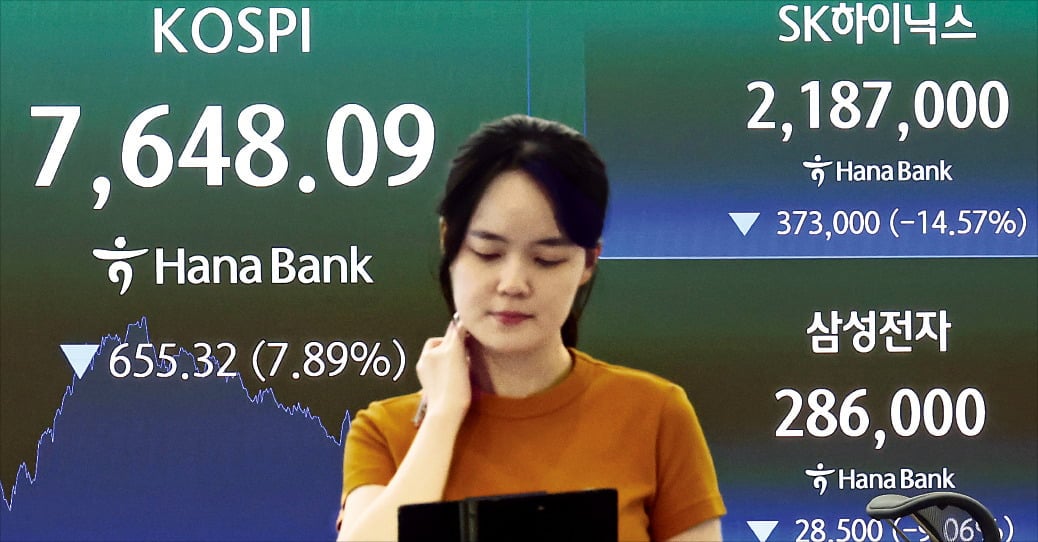
Meta’s shock is moving from a single U.S. technology stock into Korean ETF positioning. The key conclusion is clear: near-term KOSPI direction depends on Samsung Electronics earnings and what they show about semiconductor recovery.
Why leveraged ETFs amplified the move
Leveraged ETFs seek daily returns of 2x or 3x the underlying asset. A 1% move in Meta can translate into roughly 2% to 3% in related products before fees and tracking error. If losses persist, compounding and daily rebalancing can make cumulative damage larger than a simple multiple. Korean investors also face currency translation: a 5% dollar loss can be softened by a 1% rise in USD/KRW, but losses deepen when the won strengthens at the same time.
Samsung becomes the market test
Samsung’s memory prices, HBM supply, foundry utilization and smartphone shipments will drive sentiment. As the largest KOSPI stock and a gateway for foreign flows, Samsung can lift KOSPI 200 ETFs and semiconductor ETFs if earnings confirm profit recovery. Weak margins or heavier capex pressure would extend the technology-stock correction into Seoul.
Key points
- Meta’s shock has exposed how 2x and 3x leveraged ETFs can magnify technology-stock losses. Korean investors are now focused on Samsung Electronics earnings as the main test of semiconductor recovery. Memory, HBM and foundry trends will shape KOSPI, KOSPI 200 ETFs and local chip ETFs.
- Use the body and FAQ context before acting on this update.
- Compare with related issues inside the category hub.
FAQ
Why did the Meta shock increase leveraged ETF volatility?
2x and 3x ETFs magnify daily moves in the underlying stock, so a sharp Meta move is reflected more strongly in leveraged products.
Why are Samsung Electronics earnings important for KOSPI?
Samsung is the largest KOSPI constituent and a core signal for semiconductor demand, foreign flows and Korea’s export earnings outlook.
What should Korean investors check in leveraged ETFs?
They should check daily leverage, tracking error, premium or discount, currency exposure and whether the product is hedged.
Latest stories

Energy and Income ETFs Move Up the 2026 Portfolio Agenda as Amplify’s Nathan Miller Frames the Second Half
Energy ETFs and income ETFs emerged as key second-half portfolio themes at the late-June 2026 Midyear Outlook Symposium. Nathan Miller of Amplify ETFs framed the two areas around volatility management and cash-flow demand. For Korean investors, the practical issues include dollar distributions, exchange rates, trading costs, and account-level tax treatment.

Top 10 Active ETFs Reveal 2026’s Key Investment Themes
Active ETFs faced a major test in the volatile first half of 2026. The top 10 year-to-date performers show that strong technology earnings and disciplined security selection mattered more than broad thematic exposure. For Korean investors, currency moves, taxes and access to overseas ETFs remain key considerations.

Micron Earnings Surprise Revives AI Memory Semiconductor ETF Momentum
Micron’s fiscal third-quarter numbers reset the near-term case for memory ETFs. Adjusted EPS reached $25.11 and revenue hit $41.46 billion, far above market expectations. AI inference is deepening demand for HBM, DRAM and NAND while supply remains slow to respond. Korean investors should weigh FX, tax, hedge structure and exposure to Samsung Electronics and
Samsung to Run 3.5 Trillion Won Mutual Growth and ESG Fund With Suppliers
Samsung’s 11 affiliates are expanding a shared growth framework with suppliers. The core measure is a 3.5 trillion won mutual growth and ESG fund. The initiative is designed to ease financing burdens, strengthen ESG compliance and support long-term supply-chain competitiveness.
Sovereign Funds Shift From Stocks to Private Assets as Dollar Doubts Grow
Long-term capital controlled by sovereign wealth funds and central banks is shifting away from listed equities toward private assets and infrastructure. Equity risk and weakening confidence in dollar assets are driving the move. The trend is also relevant for Korean investors through currency risk, ETF flows and pension allocation.
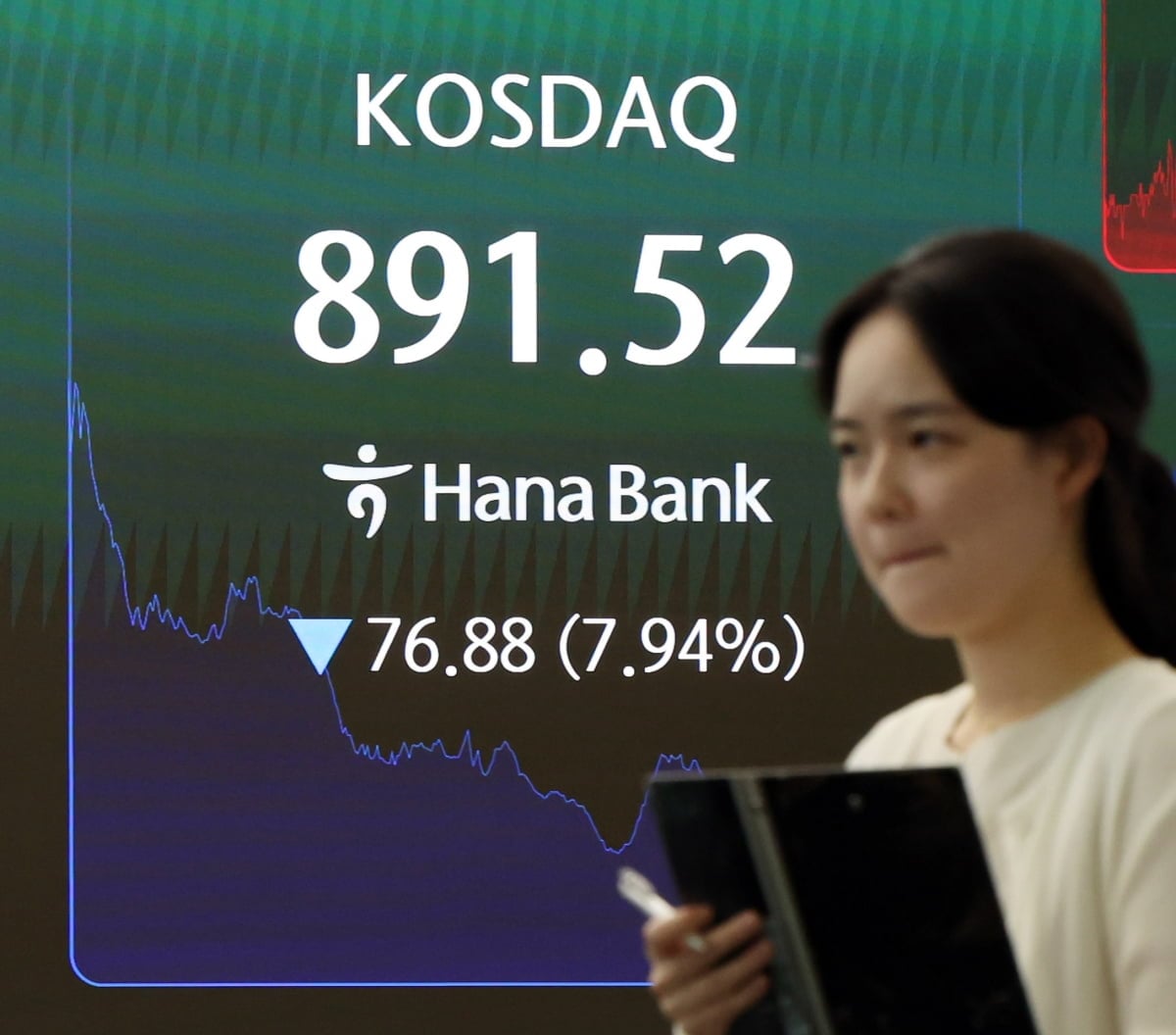
Kiwoom Launches KOSDAQ Covered Call ETF Targeting Monthly Income
Kiwoom Asset Management has introduced a KOSDAQ covered call ETF for investors seeking both exposure to Korea’s growth market and monthly distributions. The fund uses call option premiums as a potential income source while retaining partial participation in the underlying market. It broadens income ETF choices for Korean investors.

Memory ETF Rush Gains Ground as Samsung and SK Hynix Funds Outshine QQQ
Memory semiconductor ETFs have become a leading theme in the U.S. ETF market. Rising shares of Samsung Electronics, SK Hynix and other global memory names are pulling capital into focused products. Compared with the broad Nasdaq-100 ETF QQQ, memory ETFs offer more direct exposure to AI server demand and the chip cycle. Korean investors must also consider cur
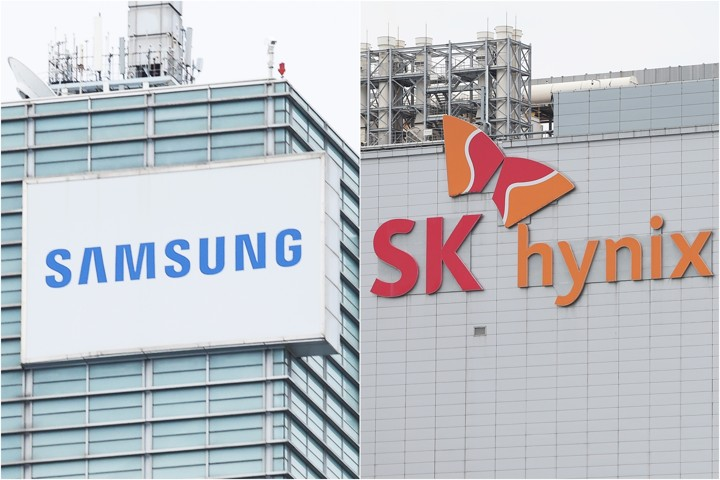
Samsung-SK Hynix Leveraged ETF Volatility Debate Points to Bigger Market Forces
The claim that single-stock leveraged and inverse ETFs drove the recent swings in Samsung Electronics and SK Hynix does not fit the market structure. These ETFs increased short-term trading but did not dominate cash-market price formation. Global semiconductor momentum, Iran-related geopolitical tension and won-dollar volatility were the main forces. Investo