Shinhan Securities, Hyundai Commercial Create W50bn Mobility Fund for Auto Suppliers
Shinhan Securities and Hyundai Commercial are launching a W50bn mobility private debt fund. The vehicle will lend directly to auto parts suppliers. The structure gives suppliers an additional financing channel beyond bank loans as they manage working capital, equipment spending and electrification shifts.
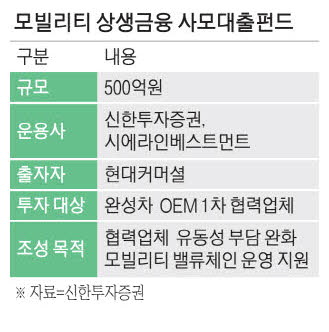
Shinhan Securities and Hyundai Commercial are creating a W50bn mobility private debt fund to support auto parts suppliers. The fund will collect capital from investors and provide direct loans to companies, widening financing routes for Korea’s automotive supply chain. For small and midsize suppliers facing tighter bank credit and higher interest costs, the structure offers a new source of liquidity.
Direct Lending Structure
The mobility fund is centered on lending, not equity investment. It is designed to provide working capital, raw-material financing and equipment investment loans to auto parts suppliers. At W50bn, the vehicle can address liquidity needs and transition costs across multiple Korean suppliers. Unlike ETFs traded by retail investors on exchanges, the fund will operate as a private vehicle, with likely focus on parts makers connected to the domestic automotive ecosystem.
Supply-Chain Finance
Korean auto parts companies are investing in electric vehicles, hybrids and autonomous-driving components while maintaining legacy production. Tooling, electronics, battery-adjacent components and lightweight-material facilities all require upfront capital. Private debt does not replace bank lending; it complements it. Borrowers gain more room to match loan terms with business cycles, while investors gain exposure to alternative returns backed by corporate credit and supply-chain cash flows.
Market Impact
The fund is not an ETF, but it matters for ETF investors tracking autos, EVs and mobility. Performance in those segments depends not only on vehicle sales but also on supplier balance sheets, production stability and the speed of electrification investment. A W50bn private credit channel can help reduce supply disruptions and support business conversion. Results will depend on borrower selection, lending terms and risk controls.
Key points
- Shinhan Securities and Hyundai Commercial are launching a W50bn mobility private debt fund. The vehicle will lend directly to auto parts suppliers. The structure gives suppliers an additional financing channel beyond bank loans as they manage working capital, equipment spending and electrification shifts.
- Use the body and FAQ context before acting on this update.
- Compare with related issues inside the category hub.
FAQ
How large is the fund?
The mobility private debt fund is sized at W50bn.
How will the fund provide capital?
It will lend directly to auto parts suppliers rather than buying equity stakes.
Why does this matter for ETF investors?
It can affect the financial health and production stability of suppliers linked to auto, EV and mobility ETFs.
Latest stories

GTEK Active Tech ETF Broadens AI Exposure Without a Mag 7 Overweight
GTEK gives investors a different route into technology when their portfolios are already packed with the Magnificent 7 and AI hyperscalers. VGT-style broad tech ETFs can perform reasonably well, but market-cap weighting naturally reinforces the biggest names. Korean investors also need to check won-based returns, overseas ETF taxation and duplicated holdings

KDB Picks Seven Managers for Second National Growth Policy Sub-Funds
KDB and Korea Growth Investment confirmed seven managers for the second sub-funds under the National Growth Fund’s indirect policy investment program. The move expands the policy-finance channel through private managers. It does not place money directly into ETFs, but it offers a signal for Korea-focused growth and thematic ETF investors.
KKR Buy Signal Puts Private Equity Leader Back on Investors’ Radar
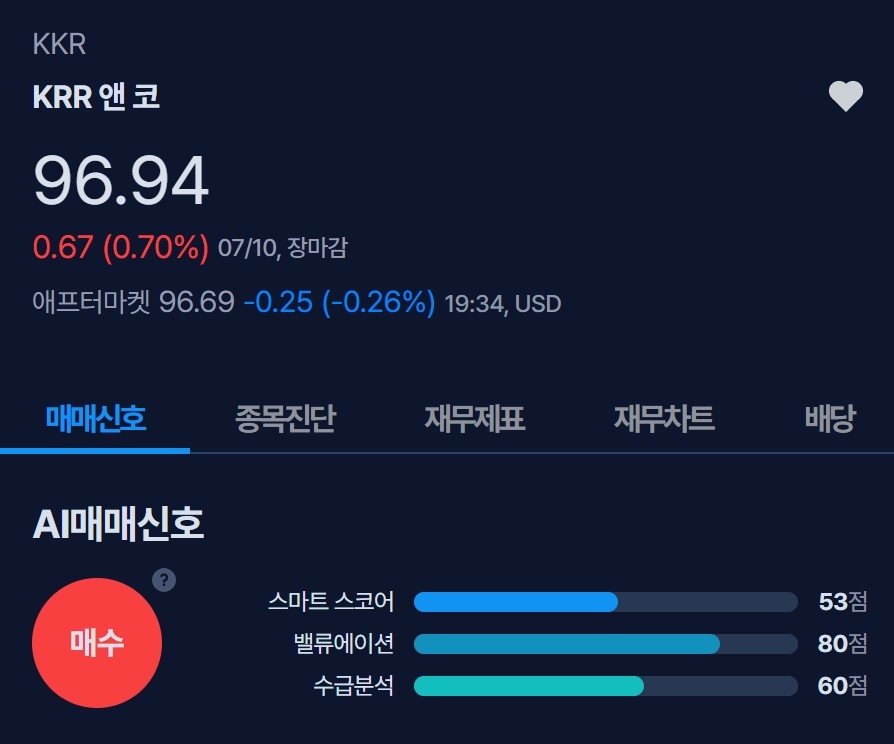
KKR & Co. has generated a buy signal. As a major listed private equity and alternative-asset manager, the move matters beyond one stock. Investors should watch price momentum, volume, ETF exposure and currency effects before acting.

STIC Investments Chosen as National Growth Fund Round 2 GP for Indirect Investments
STIC Investments has been named a second-round GP for the National Growth Fund’s indirect investment track. The fund links policy finance with private capital to support Korean innovation and growth-stage companies. The selection may affect private equity competition and capital flows into unlisted growth firms. For ETF investors, the signal is indirect and

SK Hynix ADR 2x ETF Delayed as SEC Flags Early Volatility Risk
The SK Hynix ADR 2x ETF launch has been pushed from July 13 to July 14. The SEC is focusing on whether leveraged exposure could amplify early trading volatility. A similar delay occurred in a 2x ETF linked to SpaceX listing demand. Korean investors should weigh FX moves, spreads and compounding risk.
Woori Investment & Securities Semiconductor Event Offers Samsung and ETF Shares for AI Investing
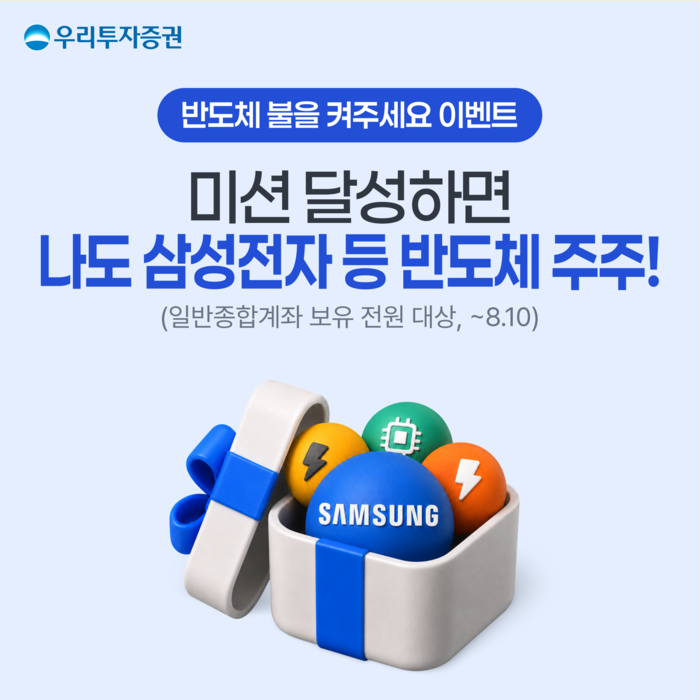
Woori Investment & Securities is running the Semiconductor Light On event through August 10, 2026. The core benefit is a giveaway tied to Samsung Electronics shares and one ETF share. The campaign helps retail investors compare a leading chip stock with diversified ETF exposure, while market-price risk remains central.
Overseas Equity ETFs in H1: Semiconductors Outshine Space Themes
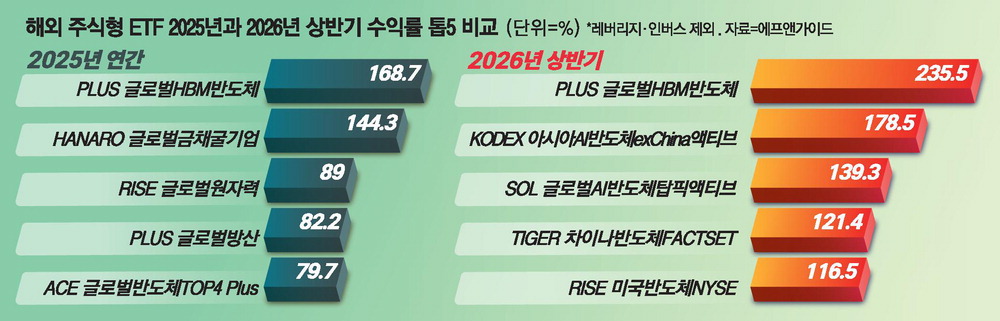
The real winner in overseas equity ETFs in the first half of 2026 was semiconductors. Space and other new-growth themes drew attention, but returns were led by chip-related funds. Korean investors now need to weigh won-based returns, currency moves and theme concentration risk.
Second-Half ETF Strategy Shifts From Hynix to HBM4, AI Power and Covered Calls
Korea’s ETF market entered the second half after an extreme first-half tilt toward Hynix and AI semiconductors. Net assets climbed to 513 trillion won, up 72%. The next portfolio focus is a barbell of HBM4 equipment, U.S. AI power infrastructure and income-oriented active ETFs.