GTEK Active Tech ETF Broadens AI Exposure Without a Mag 7 Overweight
GTEK gives investors a different route into technology when their portfolios are already packed with the Magnificent 7 and AI hyperscalers. VGT-style broad tech ETFs can perform reasonably well, but market-cap weighting naturally reinforces the biggest names. Korean investors also need to check won-based returns, overseas ETF taxation and duplicated holdings

GTEK is gaining attention from investors who want more U.S. technology exposure without simply buying more of the Magnificent 7. The main point is clear: a portfolio can raise its technology allocation while reducing reliance on mega-cap platform stocks. As an active technology ETF, GTEK does not mechanically follow a market-cap index. It can look beyond Apple, Microsoft, Nvidia, Amazon, Alphabet, Meta and Tesla, the seven names already embedded in many global portfolios.
The concentration problem
Mainstream technology ETFs such as VGT remain efficient tools for capturing the core tech market. The issue is structure. In a market-cap-weighted fund, the stocks that have already risen the most often gain the largest influence. When AI hyperscalers and platform companies lead the cycle, performance may be acceptable while concentration quietly rises. A Korean investor holding a U.S. index ETF, a Nasdaq 100 ETF and individual big-tech shares may be repeating the same exposure several times.
What the numbers mean
The term Magnificent 7 itself points to a seven-stock concentration issue. If a Korean investor has three U.S. tech-related ETFs, the first check should be overlap among each fund’s top 10 holdings. In a 10 million won portfolio, a 30% U.S. tech allocation equals 3 million won. At an assumed exchange rate of 1,400 won per dollar, that is about $2,143. If half of that amount is effectively tied to the same seven mega-cap stocks, diversification is weaker than it appears. GTEK’s value lies in lowering that repeated exposure. Active management adds cost and manager judgment, but it also allows access to software, semiconductor equipment, cybersecurity and automation companies that may sit outside rigid index rules.
Impact for Korean investors
For Korean investors, the GTEK debate is also about currency translation. A dollar ETF can rise while won-based returns shrink if the won strengthens, and a weaker won can cushion part of a price decline. Overseas-listed ETFs also require attention to tax treatment, distribution income, currency conversion costs and overnight trading liquidity. GTEK is therefore more likely to serve as a satellite strategy than a full replacement for large-cap tech ETFs. If AI infrastructure spending broadens from cloud platforms into software, equipment, power management and security, active tech ETFs that rely less on mega-cap dominance should remain relevant.
Key points
- GTEK gives investors a different route into technology when their portfolios are already packed with the Magnificent 7 and AI hyperscalers. VGT-style broad tech ETFs can perform reasonably well, but market-cap weighting naturally reinforces the biggest names. Korean investors also need to check won-based returns, overseas ETF taxation and duplicated holdings
- Use the body and FAQ context before acting on this update.
- Compare with related issues inside the category hub.
FAQ
Does GTEK exclude all Magnificent 7 stocks?
The core idea is not a simple exclusion rule. GTEK uses active management to reduce mega-cap concentration and seek broader technology growth exposure.
How is GTEK different from VGT?
VGT-style technology ETFs are heavily influenced by the largest market-cap stocks. GTEK uses an active process to select potential future technology leaders.
What should Korean investors check before considering GTEK?
They should review overlap with existing U.S. ETFs and big-tech stocks, won-based returns, overseas ETF taxation, currency conversion costs and trading liquidity.
Latest stories
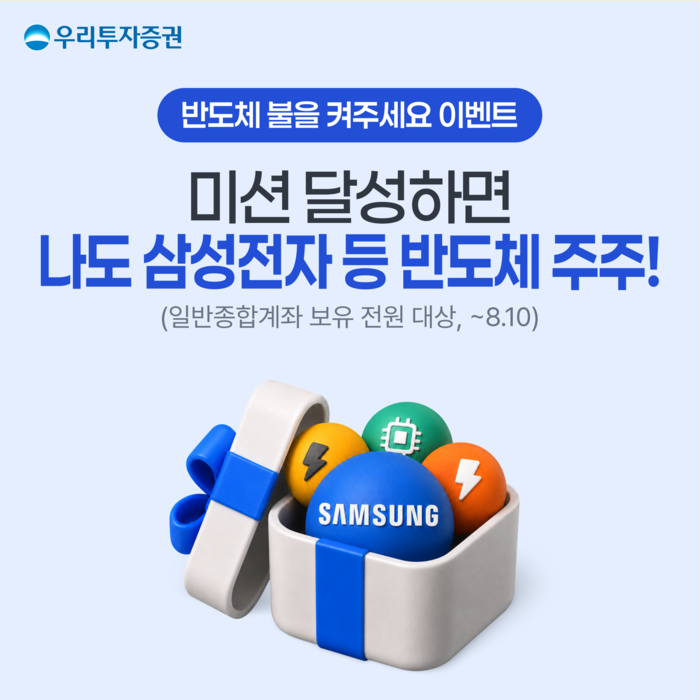
Woori Investment & Securities Semiconductor Event Offers Samsung and ETF Shares for AI Investing
Woori Investment & Securities is running the Semiconductor Light On event through August 10, 2026. The core benefit is a giveaway tied to Samsung Electronics shares and one ETF share. The campaign helps retail investors compare a leading chip stock with diversified ETF exposure, while market-price risk remains central.
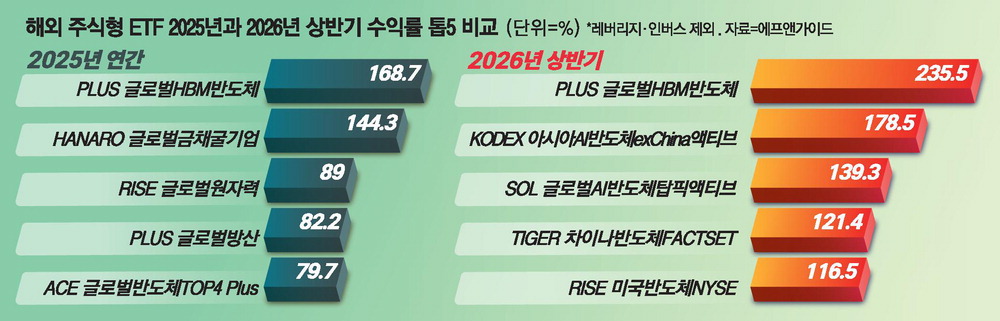
Overseas Equity ETFs in H1: Semiconductors Outshine Space Themes
The real winner in overseas equity ETFs in the first half of 2026 was semiconductors. Space and other new-growth themes drew attention, but returns were led by chip-related funds. Korean investors now need to weigh won-based returns, currency moves and theme concentration risk.
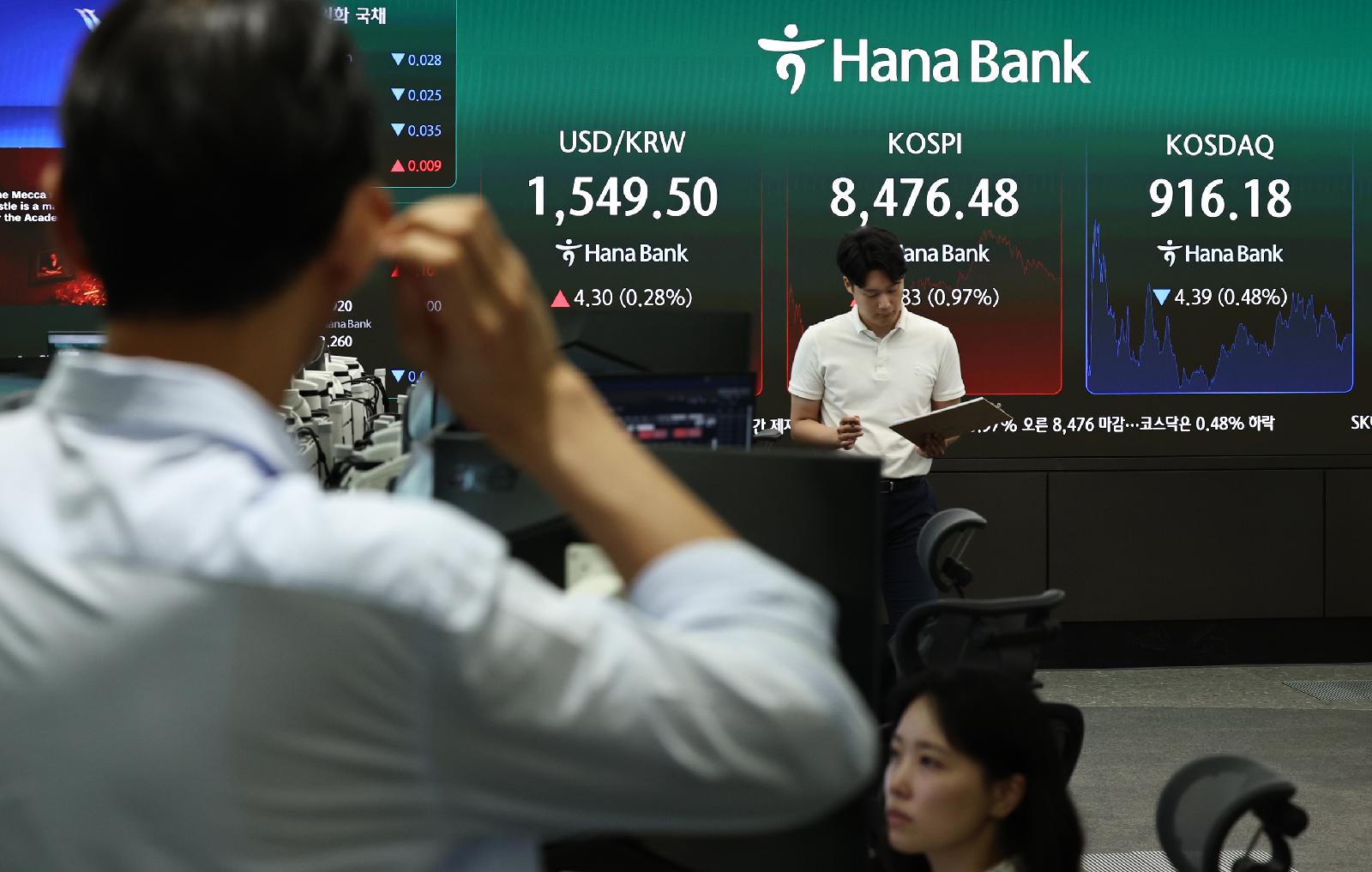
Second-Half ETF Strategy Shifts From Hynix to HBM4, AI Power and Covered Calls
Korea’s ETF market entered the second half after an extreme first-half tilt toward Hynix and AI semiconductors. Net assets climbed to 513 trillion won, up 72%. The next portfolio focus is a barbell of HBM4 equipment, U.S. AI power infrastructure and income-oriented active ETFs.
U.S. Space and K-Defense ETFs to Debut July 7 as Korean Theme ETF Lineup Expands
Two thematic ETFs focused on the U.S. space industry and K-defense will list on July 7, 2026. The issuers are Kiwoom Asset Management and Korea Investment Management. Korean investors will gain won-denominated access to space and defense value chains. Key checks include fees, index design, currency exposure, trading volume and premium-discount control.
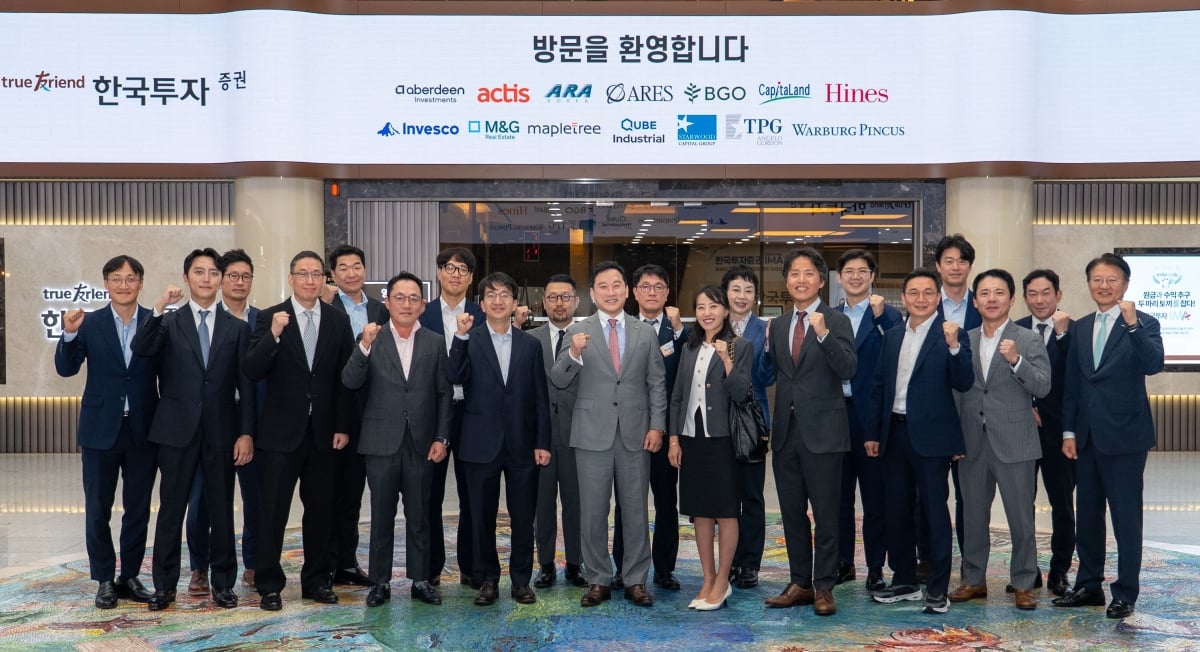
Korea Investment Hosts Global Alternative Investment Leaders Event
Korea Investment & Securities brought global alternative investment leaders to Korea to review strategies for domestic investors. The event focused on ETF portfolio diversification and access to private credit, infrastructure, real estate and hedge-fund-style strategies. Demand for overseas alternatives is expected to grow as rates and currency volatility re

Regional Venture Funds Turn K-Startup Discovery Into a New Growth Engine
K-content exports rose to a record $14.9 billion in 2025. The next growth challenge is discovering technology and content startups outside Seoul. Regional venture funds can fill early funding gaps and industrialize K-culture expansion. Follow-on capital, exits, and regulatory readiness will decide the outcome.
Busan Venture Ecosystem Gets 2 Trillion Won Fund Push With Financial Regulator
Busan and the Financial Services Commission began talks on July 3 to strengthen the regional venture ecosystem. The central measure is a 2 trillion won fund designed to expand startup and growth capital. Participation by financial and investment institutions could help ease Seoul-area concentration and support local innovation firms.
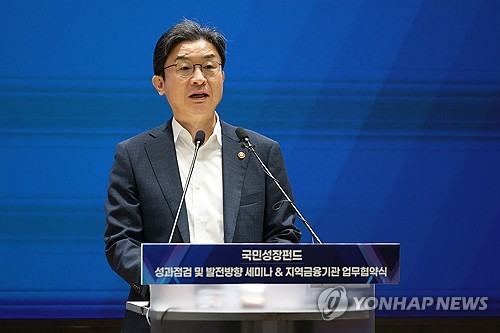
National Growth Fund Pushes Busan Future Mobility, Defense for Mega Project
Lee Eok-won identified a gap in the National Growth Fund: none of the 21 approved projects includes a Busan company. The next focus is the second mega project, where Busan future mobility and defense firms are set to seek approval. The outcome matters for Korean won funding, regional manufacturing and listed supply chains.