Active Bond ETFs: Few Fixed-Income Strategies Are Beating Benchmarks
Active bond ETF success depends less on broad market calls and more on precise control of duration and credit risk. Low-cost index ETFs remain the starting point for core fixed-income allocations. Still, short-duration, intermediate core, and multisector income strategies have created room for benchmark outperformance. Korean investors need to judge results

Active bond ETF winners remain scarce. The main conclusion is clear: low-cost index ETFs still anchor long-term fixed-income allocations, but in a market where interest rates and credit spreads move unevenly, a small group of active bond ETFs is producing benchmark-beating results.
The Fee Hurdle Is Real
Index ETFs have served for decades as cheap, transparent portfolio building blocks. Active management changes that equation. The average active ETF expense ratio is about 0.98%, versus roughly 0.54% for passive ETFs. That 0.44 percentage-point gap equals $440 a year on a $100,000 position, or about 607,000 won at 1,380 won per dollar. Managers must overcome that cost before investors see true excess return.
Where Active Works
The stronger active fixed-income strategies fall into three groups. Ultra-short and short-duration funds seek income while limiting rate sensitivity. Intermediate core bond strategies adjust Treasury, investment-grade corporate, and securitized exposure instead of following an index mechanically. Multisector income funds selectively combine high yield, loans, emerging-market debt, and mortgage-related bonds. Active bond ETF inflows reached $66 billion in 2024, up 280% from the prior year, yet the category was still less than 14% of the fixed-income ETF market.
For Korean investors, the benchmark is only part of the story. A $100,000 U.S.-listed bond ETF position equals 138 million won at 1,380 won per dollar, and a 1% currency move changes value by about 1.38 million won. Tax treatment, distributions, ISA or pension account eligibility, and currency hedging can all reshape final returns.
Key points
- Active bond ETF success depends less on broad market calls and more on precise control of duration and credit risk. Low-cost index ETFs remain the starting point for core fixed-income allocations. Still, short-duration, intermediate core, and multisector income strategies have created room for benchmark outperformance. Korean investors need to judge results
- Use the body and FAQ context before acting on this update.
- Compare with related issues inside the category hub.
FAQ
Are active bond ETFs always better than index bond ETFs?
No. Higher fees mean managers must beat both the benchmark and the cost hurdle. Only selected areas such as short-duration, intermediate core, and multisector income have shown an edge.
What should Korean investors check first?
They should review won-based returns, total expense ratio, duration, credit quality, distributions, currency hedging, and tax differences between U.S.-listed and Korea-listed ETFs.
Is a currency-hedged active bond ETF safer?
It can reduce dollar-won volatility, but hedging costs may reduce returns. The right choice depends on the investor’s currency view and account type.
Latest stories

Woori Investment & Securities Semiconductor Event Offers Samsung and ETF Shares for AI Investing
Woori Investment & Securities is running the Semiconductor Light On event through August 10, 2026. The core benefit is a giveaway tied to Samsung Electronics shares and one ETF share. The campaign helps retail investors compare a leading chip stock with diversified ETF exposure, while market-price risk remains central.
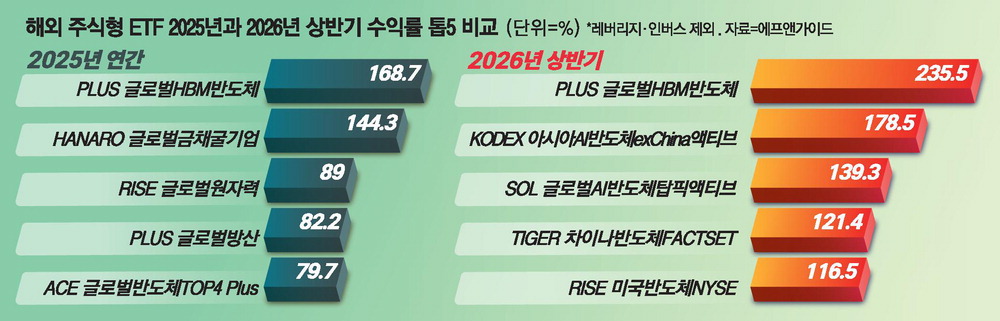
Overseas Equity ETFs in H1: Semiconductors Outshine Space Themes
The real winner in overseas equity ETFs in the first half of 2026 was semiconductors. Space and other new-growth themes drew attention, but returns were led by chip-related funds. Korean investors now need to weigh won-based returns, currency moves and theme concentration risk.
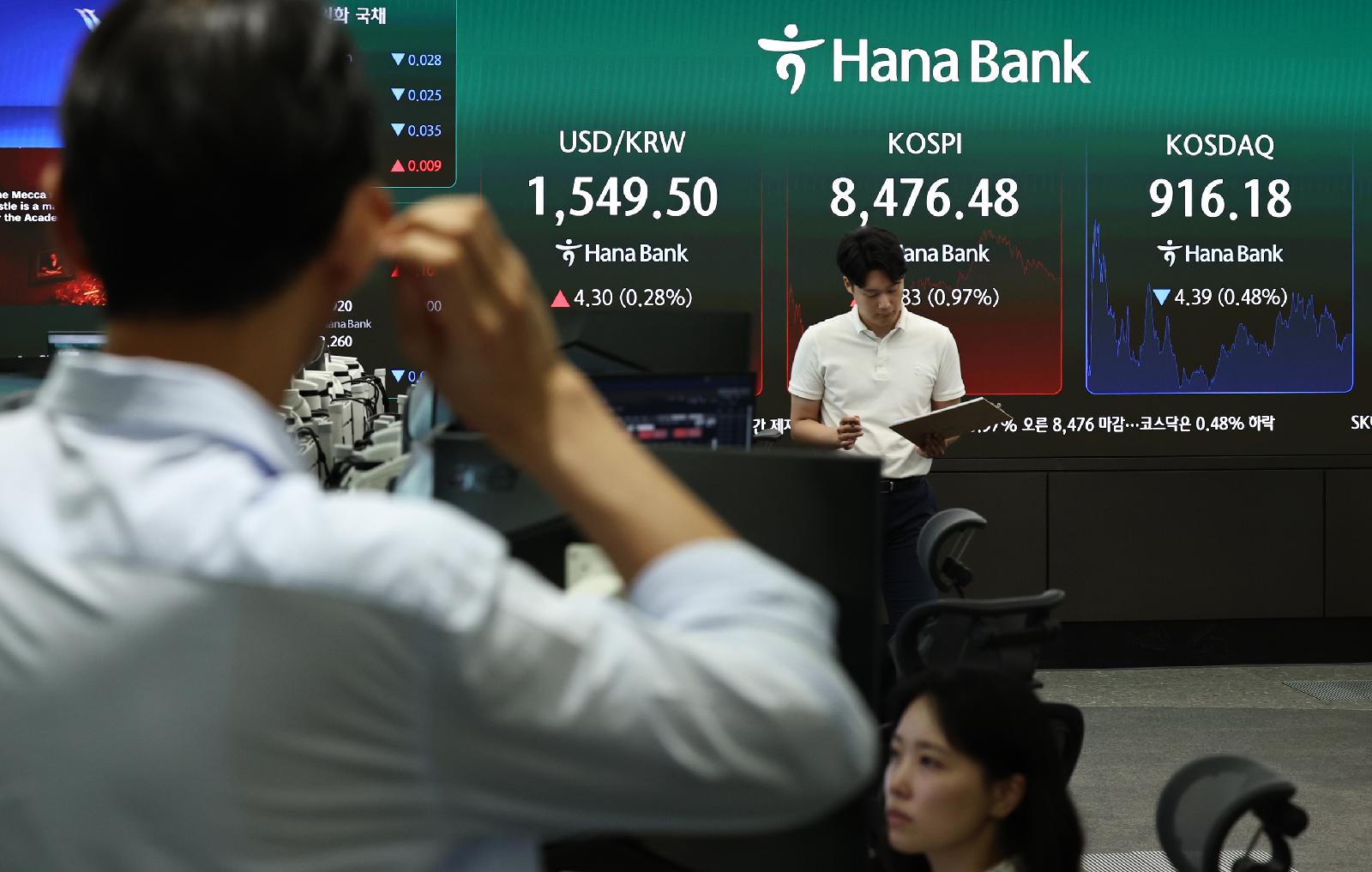
Second-Half ETF Strategy Shifts From Hynix to HBM4, AI Power and Covered Calls
Korea’s ETF market entered the second half after an extreme first-half tilt toward Hynix and AI semiconductors. Net assets climbed to 513 trillion won, up 72%. The next portfolio focus is a barbell of HBM4 equipment, U.S. AI power infrastructure and income-oriented active ETFs.
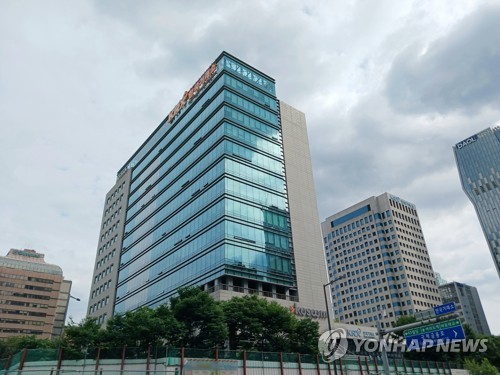
U.S. Space and K-Defense ETFs to Debut July 7 as Korean Theme ETF Lineup Expands
Two thematic ETFs focused on the U.S. space industry and K-defense will list on July 7, 2026. The issuers are Kiwoom Asset Management and Korea Investment Management. Korean investors will gain won-denominated access to space and defense value chains. Key checks include fees, index design, currency exposure, trading volume and premium-discount control.
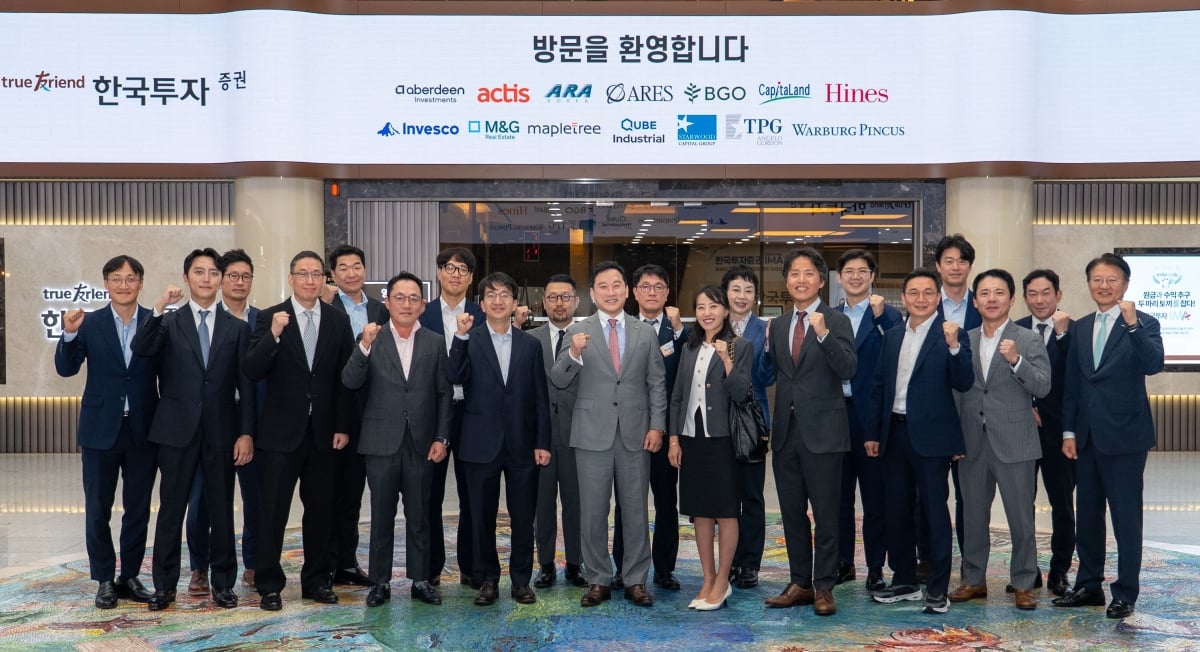
Korea Investment Hosts Global Alternative Investment Leaders Event
Korea Investment & Securities brought global alternative investment leaders to Korea to review strategies for domestic investors. The event focused on ETF portfolio diversification and access to private credit, infrastructure, real estate and hedge-fund-style strategies. Demand for overseas alternatives is expected to grow as rates and currency volatility re

Regional Venture Funds Turn K-Startup Discovery Into a New Growth Engine
K-content exports rose to a record $14.9 billion in 2025. The next growth challenge is discovering technology and content startups outside Seoul. Regional venture funds can fill early funding gaps and industrialize K-culture expansion. Follow-on capital, exits, and regulatory readiness will decide the outcome.

Busan Venture Ecosystem Gets 2 Trillion Won Fund Push With Financial Regulator
Busan and the Financial Services Commission began talks on July 3 to strengthen the regional venture ecosystem. The central measure is a 2 trillion won fund designed to expand startup and growth capital. Participation by financial and investment institutions could help ease Seoul-area concentration and support local innovation firms.
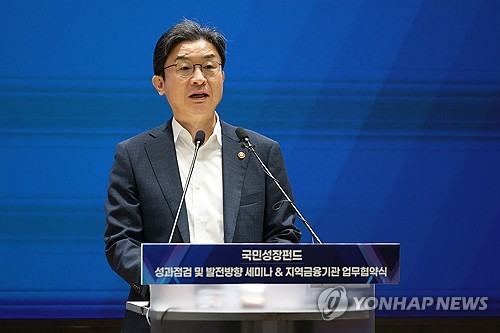
National Growth Fund Pushes Busan Future Mobility, Defense for Mega Project
Lee Eok-won identified a gap in the National Growth Fund: none of the 21 approved projects includes a Busan company. The next focus is the second mega project, where Busan future mobility and defense firms are set to seek approval. The outcome matters for Korean won funding, regional manufacturing and listed supply chains.