China ETF Rebound Gains Traction as U.S. Biotech ETFs Extend Strength
China-focused ETFs have moved into a rebound phase after a long period of weakness. U.S. biotech ETFs are also gaining as growth-stock sentiment improves and drug-development catalysts return. For Korean investors, won-based returns, exchange rates and account eligibility are central checks.
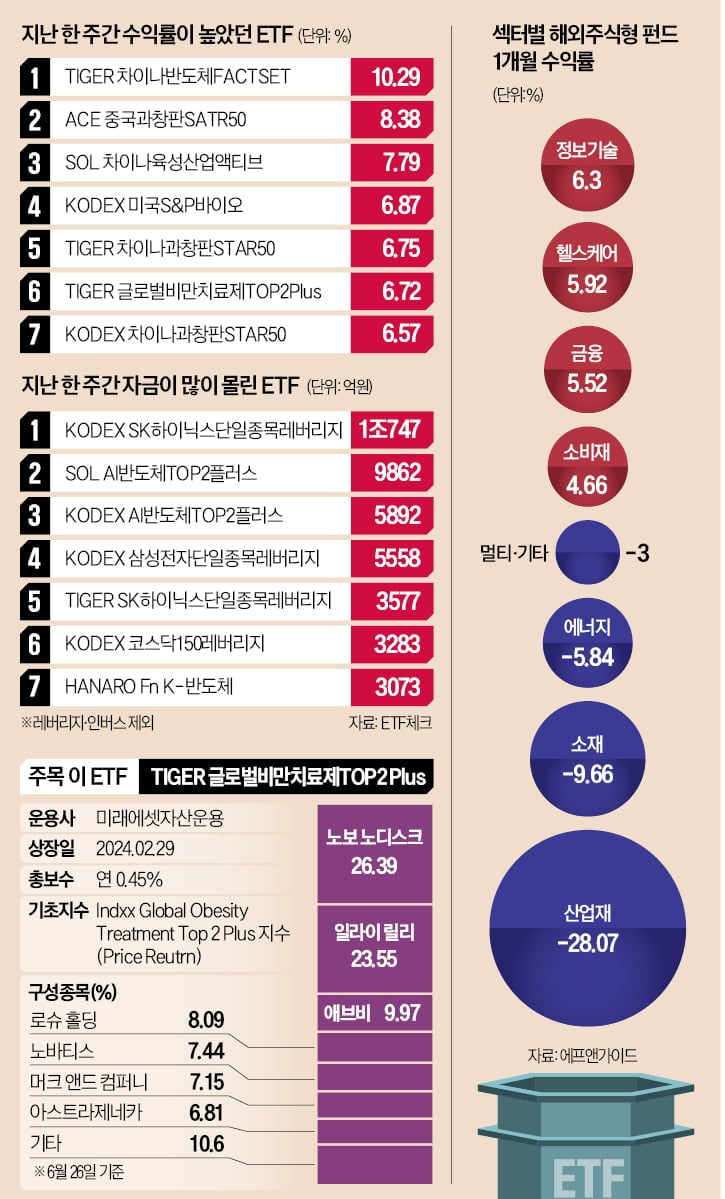
China-focused ETFs have returned to a rebound phase, while U.S. biotech ETFs are also showing clear strength. The ETF market is now being driven less by broad index exposure and more by differences in recovery speed across themes.
China ETFs regain attention
The rebound in China investment ETFs stems from bargain hunting after a prolonged downturn. Concerns over growth, property-sector stress and foreign outflows weighed on Chinese equities for an extended period. Lower valuations have drawn fresh buying, supported by expectations for policy action and a recovery in consumption and technology shares. Products tied to mainland A-shares, Hong Kong H-shares, internet platforms, electric vehicles and battery supply chains are now key watch points.
Investors should not look only at short-term price moves. Index design, mainland versus Hong Kong exposure, currency exposure, fees, premiums or discounts, and trading volume can all change realized returns. For Korean investors, the won-based result depends on the ETF price, the dollar-won or yuan-won rate, and whether the product is currency hedged.
U.S. biotech ETFs benefit from growth sentiment
U.S. biotech ETFs are strengthening as growth assets recover. Biotech valuations often reflect clinical results, approvals, mergers, acquisitions and the future value of research pipelines more than current profits. When interest-rate pressure eases, long-duration growth assets can recover. Funds with heavier small- and mid-cap biotech exposure may rise faster but can also fall sharply on trial failures or regulatory delays.
For Korean portfolios, U.S. biotech ETFs can add global healthcare exposure beyond domestic drugmakers. Investors can use overseas-listed ETFs, locally listed overseas biotech ETFs, or products allowed in ISA and pension accounts. Taxes, conversion costs, trading hours and distributions all affect net returns.
Outlook
The simultaneous strength in China ETFs and U.S. biotech ETFs signals a shift toward selective risk assets. Still, both themes are volatile. China ETFs need evidence of policy execution and demand recovery. U.S. biotech ETFs remain sensitive to rates, clinical data and approval events. Position sizing and currency awareness matter more than chasing a short-term rally.
Key points
- China-focused ETFs have moved into a rebound phase after a long period of weakness. U.S. biotech ETFs are also gaining as growth-stock sentiment improves and drug-development catalysts return. For Korean investors, won-based returns, exchange rates and account eligibility are central checks.
- Use the body and FAQ context before acting on this update.
- Compare with related issues inside the category hub.
FAQ
Why are China ETFs rebounding?
They are benefiting from lower valuations, bargain hunting and expectations for policy support after a long downturn.
Why are U.S. biotech ETFs strong?
Lower rate pressure, improved growth-stock sentiment and drug-development catalysts are supporting the sector.
What should Korean investors check?
They should review won-based returns, exchange rates, fees, liquidity, tax treatment and account eligibility.
Latest stories

SpaceX-Tesla Value Chain Fund Set for July Launch With Tesla Exposure Above 40%
Mirae Asset Global Investments is preparing the ‘SpaceX Tesla Value Chain’ public fund for a July launch. It will be the first Korean public fund to use SpaceX in its product name. Exposure tied to Tesla and related assets will exceed 40%. The fund targets Korean demand for high-growth space, EV and AI infrastructure themes.

SpaceX Public Fund Debuts as Mirae Asset Opens a New Access Point
Mirae Asset Global Investments will introduce a public fund on July 1 that places the SpaceX name in the product title for the first time in Korea’s asset management industry. The fund is designed to broaden retail access to private space and Tesla-related growth themes. It marks a notable test of how Korea’s public fund market handles private innovation the

GPIQ Income ETF on Track to Double Assets This Year
GPIQ combines Nasdaq-100 exposure with a premium income approach. Demand for income ETFs has strengthened as investors seek regular distributions and a buffer against uncertainty. The fund’s asset growth signals broader interest in covered-call and dividend-oriented ETF strategies. Korean investors must also weigh currency, tax and distribution risks.

MANGOS ETFs Rise as Space and AI IPO Hopes Extend Big Tech Trade
ETF demand is moving beyond familiar mega-cap technology exposure toward a concentrated MANGOS theme tied to space, AI and next-generation platforms. SpaceX’s successful early-June launch strengthened expectations around future IPO candidates such as Anthropic and OpenAI. For Korean investors, currency effects, overseas ETF taxation and concentration risk ar

European Defense ETF: Pullback Revives a Selective Buy Case
Defense stocks and ETFs have frustrated investors who expected geopolitical stress to lift the sector. The Iran-war catalyst failed to deliver for U.S. defense equities, and signs of U.S.-Iran de-escalation deepened pullbacks. A European defense ETF depends more on long defense budgets and procurement cycles than short war headlines. Korean investors must ad

Thematic ETFs Seek Strategic Role Beyond AI in Memory, Robotics and Space
Thematic ETFs are no longer defined only by AI and machine learning. Memory, robotics and space exploration are becoming the next areas for targeted growth exposure. The central question is how much room these ETFs should occupy inside a diversified portfolio. Korean investors also need to weigh currency, tax, hedging and pension-account access.

QGRO and VALQ Rebalance Holdings as Growth, Value ETF Signals Shift
QGRO and VALQ completed scheduled index rebalances and updated their holdings. The move offers a useful read on growth versus value leadership. Index ETF changes are rules-based, making them valuable market signals. Korean investors should also consider FX, taxes and overseas trading costs.
Yellow Umbrella Upgrades Its 35 Trillion Won Investment System With Pension-Style Allocation
Yellow Umbrella is redesigning the management of its 35 trillion won asset base around a longer-term institutional framework. The plan centers on pension-style asset allocation and integrated portfolio management. The shift aims to improve stability and risk-adjusted returns while protecting small business members.