KOSPI 10,000 Call Gains Force as 60% of Fund Managers See It Within Three Months
A 10,000-point KOSPI has moved to the center of Korea’s market debate. Sixty percent of fund managers expect the index to reach that level within three months. The view strengthens interest in Korean equity ETFs and KOSPI 200 trackers, while also raising the need to monitor currency, rates and foreign flows.

The KOSPI 10,000 scenario has become a defining short-term issue for Korea’s asset management industry. Sixty percent of fund managers now expect the benchmark index to reach 10,000 within the next three months. The call is not just a headline target. It reflects a view that Korean equities could undergo a rapid valuation reset if earnings, liquidity and investor positioning align.
Three Months, Three in Five Managers
A 60% reading means roughly three out of five fund managers see room for the KOSPI to hit 10,000. The time frame is short and the target is aggressive. For the move to materialize, large-cap earnings, foreign buying, a stable won and supportive policy signals would likely need to reinforce one another. As the index approaches that level, trading activity could rise across KOSPI 200 ETFs, semiconductor ETFs, dividend ETFs and financial-sector ETFs.
Direct Impact on ETFs
For ETF investors, the KOSPI 10,000 view creates both opportunity and risk. Korean equity ETFs may attract fresh inflows from investors seeking broad market exposure. At the same time, demand for inverse ETFs could also rise among investors worried about overheating. Leveraged ETFs can amplify gains in a rising market, but their daily reset structure makes them sensitive to volatility and unsuitable for careless long holding periods.
Currency, Rates and Foreign Flows Matter
For Korean investors, the 10,000 target is more than an index number. A weaker won could slow foreign inflows, while higher rates could pressure growth and high-valuation sectors. ETF selection should also account for the underlying index, tracking error and the product’s derivative exposure. Over the next three months, earnings releases, exchange-rate moves and policy signals are likely to drive sharp market reactions. The KOSPI 10,000 scenario is now a live possibility, but portfolio decisions still need diversification and disciplined risk control.
Key points
- A 10,000-point KOSPI has moved to the center of Korea’s market debate. Sixty percent of fund managers expect the index to reach that level within three months. The view strengthens interest in Korean equity ETFs and KOSPI 200 trackers, while also raising the need to monitor currency, rates and foreign flows.
- Use the body and FAQ context before acting on this update.
- Compare with related issues inside the category hub.
FAQ
When do fund managers expect the KOSPI to reach 10,000?
Sixty percent of fund managers expect the KOSPI could reach 10,000 within the next three months.
What does this mean for ETF investors?
It may support inflows into Korean equity and KOSPI 200 ETFs, while also increasing volatility in leveraged and inverse ETFs.
What are the key risks to watch?
The won, interest rates, foreign investor flows and large-cap earnings are the main variables.
Latest stories

MANGOS ETFs Rise as Space and AI IPO Hopes Extend Big Tech Trade
ETF demand is moving beyond familiar mega-cap technology exposure toward a concentrated MANGOS theme tied to space, AI and next-generation platforms. SpaceX’s successful early-June launch strengthened expectations around future IPO candidates such as Anthropic and OpenAI. For Korean investors, currency effects, overseas ETF taxation and concentration risk ar

European Defense ETF: Pullback Revives a Selective Buy Case
Defense stocks and ETFs have frustrated investors who expected geopolitical stress to lift the sector. The Iran-war catalyst failed to deliver for U.S. defense equities, and signs of U.S.-Iran de-escalation deepened pullbacks. A European defense ETF depends more on long defense budgets and procurement cycles than short war headlines. Korean investors must ad
Thematic ETFs Seek Strategic Role Beyond AI in Memory, Robotics and Space
Thematic ETFs are no longer defined only by AI and machine learning. Memory, robotics and space exploration are becoming the next areas for targeted growth exposure. The central question is how much room these ETFs should occupy inside a diversified portfolio. Korean investors also need to weigh currency, tax, hedging and pension-account access.
QGRO and VALQ Rebalance Holdings as Growth, Value ETF Signals Shift
QGRO and VALQ completed scheduled index rebalances and updated their holdings. The move offers a useful read on growth versus value leadership. Index ETF changes are rules-based, making them valuable market signals. Korean investors should also consider FX, taxes and overseas trading costs.
Yellow Umbrella Upgrades Its 35 Trillion Won Investment System With Pension-Style Allocation
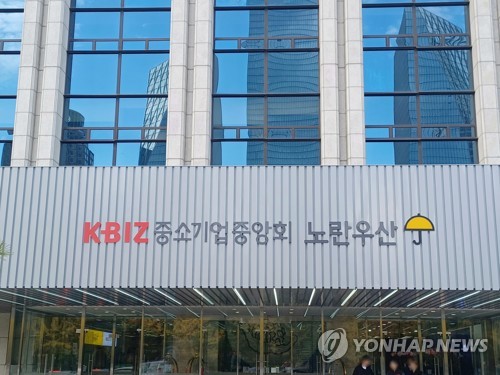
Yellow Umbrella is redesigning the management of its 35 trillion won asset base around a longer-term institutional framework. The plan centers on pension-style asset allocation and integrated portfolio management. The shift aims to improve stability and risk-adjusted returns while protecting small business members.
KOSDAQ 150 Covered Call Active ETF to List on June 30
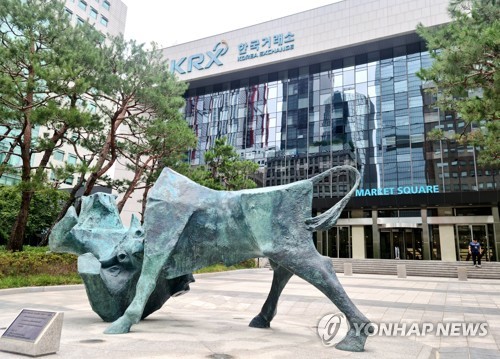
Kiwoom Asset Management will list the KOSDAQ 150 Covered Call Active ETF on June 30. The fund combines exposure to KOSDAQ 150-linked assets with a call option writing strategy. Investors may seek income from option premiums while retaining exposure to Korean growth stocks. Upside caps and principal loss risk remain key considerations.
Korea, Japan and Taiwan ETFs Surge as Second-Half Strategy Turns Defensive
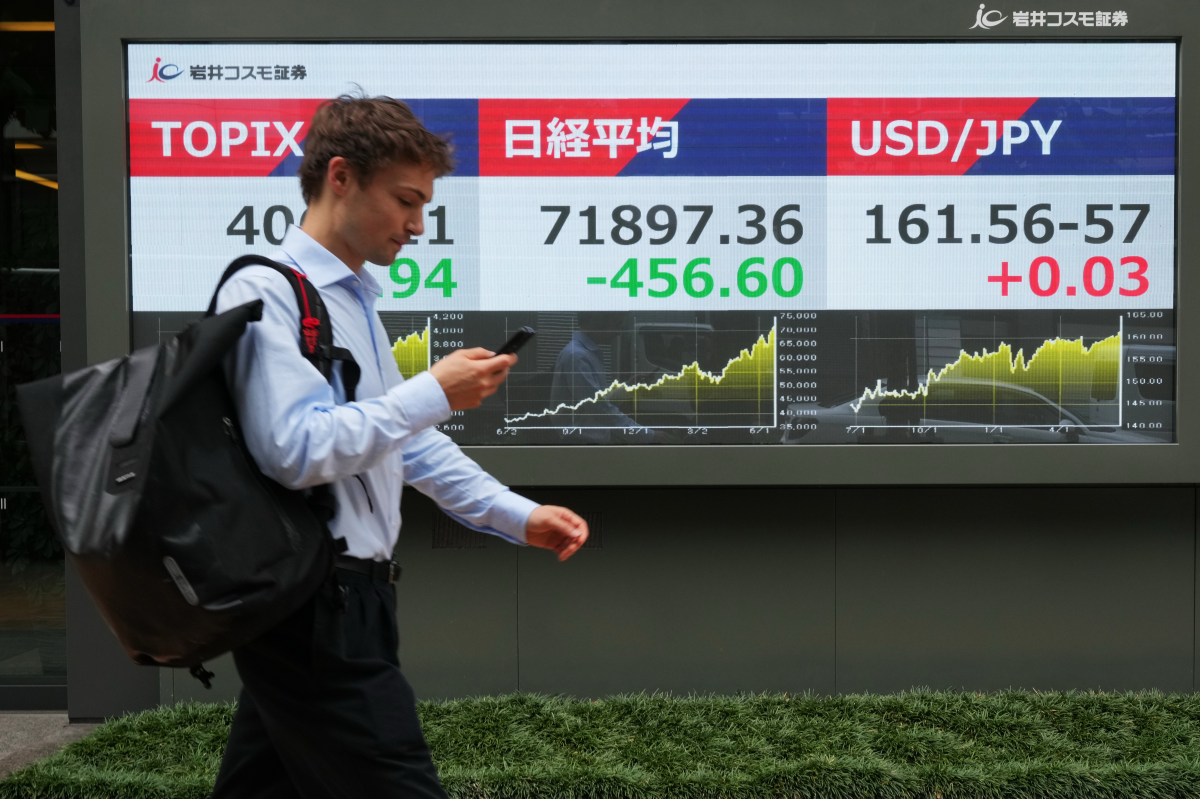
Asia country ETFs delivered sharply different gains in the first half of 2026. As of June 25 NAV total return, the Korea ETF led with 108.98%, followed by Taiwan at 66.16% and Japan at 15.76%. The second-half test is valuation, currency, policy and semiconductor concentration risk.
SK Hynix ADR Entry Into U.S. Semiconductor ETFs Reshapes AI Memory Exposure
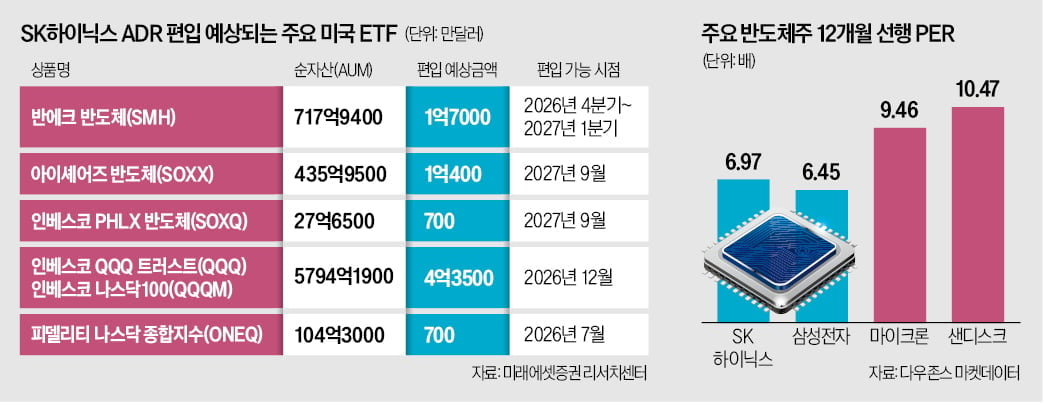
SK Hynix’s ADR will become eligible for U.S. semiconductor ETF portfolios as the company moves toward a July 10, 2026 Nasdaq listing. The structure sets 10 ADRs equal to one common share. The planned transaction has a ceiling of 45.45 trillion won, or about $29.4 billion, tied to fabs, HBM packaging and EUV tools. Korean investors must compare common shares,