Chip Tax Windfall to Fund Korea’s Future Reserve as KIC Faces Sovereign Fund Overhaul
Korea’s second-half growth strategy directs potential semiconductor tax gains into a future-response fund. KIC is set to evolve from an overseas asset manager into a broader sovereign wealth fund. The plan links fiscal discipline with long-term investment capacity.
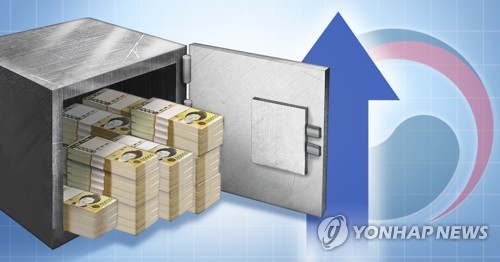
Korea will prioritize saving additional tax revenue from the semiconductor recovery in a future-response fund rather than using it for short-term spending. The second-half growth strategy links the expected chip supercycle with a broader overhaul of Korea Investment Corporation, or KIC, into a comprehensive sovereign wealth fund.
Semiconductor Revenue Gets a New Role
A rebound in memory prices and demand for AI servers can lift corporate profits, value-added tax flows and trade-related revenue. The policy focus is not on fixing a headline amount before collections are confirmed, but on setting a rule: any excess revenue from the semiconductor upswing should strengthen future industry, supply-chain resilience, demographic preparedness and technology competitiveness. The final amount will depend on tax re-estimates and settlement data.
KIC Moves Toward a Broader Mandate
KIC has largely managed entrusted foreign-currency assets across global stocks, bonds and alternatives. The new direction would make it a more comprehensive sovereign wealth fund capable of handling long-term national capital across strategic industries, infrastructure, advanced technology and diversified alternatives. Governance, risk control, parliamentary oversight and performance standards will be central because part of the funding logic starts with won-denominated tax revenue.
ETF and Market Impact
For ETF investors, the policy matters through three channels. Semiconductor earnings expectations can affect Korea-listed chip ETFs and large-cap equity flows. A larger sovereign fund platform may create more outsourced mandates for domestic asset managers. A future-response fund, if run with clear deposit and withdrawal rules, could also reduce the fiscal cycle’s dependence on chip booms. The risk is treating cyclical semiconductor tax gains as permanent revenue. The next test is whether Korea can convert a temporary tax windfall into a durable sovereign investment platform.
Key points
- Korea’s second-half growth strategy directs potential semiconductor tax gains into a future-response fund. KIC is set to evolve from an overseas asset manager into a broader sovereign wealth fund. The plan links fiscal discipline with long-term investment capacity.
- Use the body and FAQ context before acting on this update.
- Compare with related issues inside the category hub.
FAQ
Where will Korea’s extra semiconductor tax revenue go?
It is set to be saved in a future-response fund for long-term needs such as strategic industries, supply chains and demographic change.
What does the KIC overhaul mean?
KIC would move beyond a foreign-asset management role toward a broader sovereign wealth fund model.
Why does this matter for ETF investors?
Chip-sector expectations may affect Korean semiconductor ETFs, while a larger sovereign fund could influence asset-manager mandates and market depth.
Latest stories
KDB Picks Seven Managers for Second National Growth Policy Sub-Funds
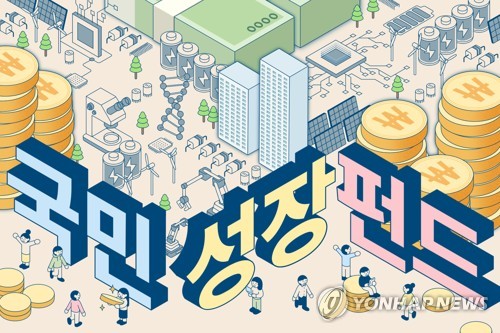
KDB and Korea Growth Investment confirmed seven managers for the second sub-funds under the National Growth Fund’s indirect policy investment program. The move expands the policy-finance channel through private managers. It does not place money directly into ETFs, but it offers a signal for Korea-focused growth and thematic ETF investors.
KKR Buy Signal Puts Private Equity Leader Back on Investors’ Radar
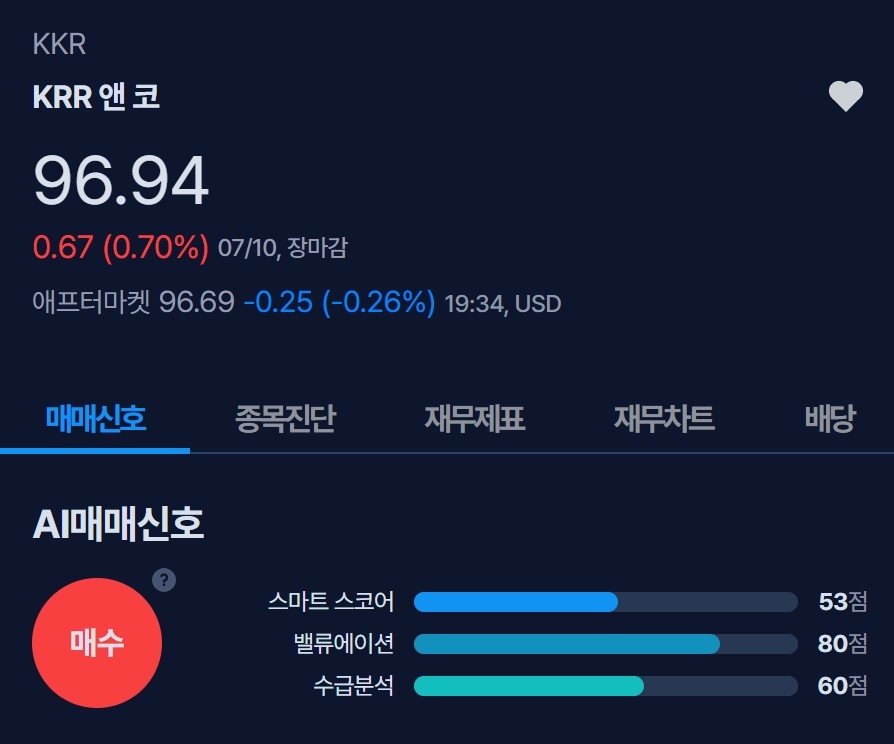
KKR & Co. has generated a buy signal. As a major listed private equity and alternative-asset manager, the move matters beyond one stock. Investors should watch price momentum, volume, ETF exposure and currency effects before acting.
STIC Investments Chosen as National Growth Fund Round 2 GP for Indirect Investments
STIC Investments has been named a second-round GP for the National Growth Fund’s indirect investment track. The fund links policy finance with private capital to support Korean innovation and growth-stage companies. The selection may affect private equity competition and capital flows into unlisted growth firms. For ETF investors, the signal is indirect and
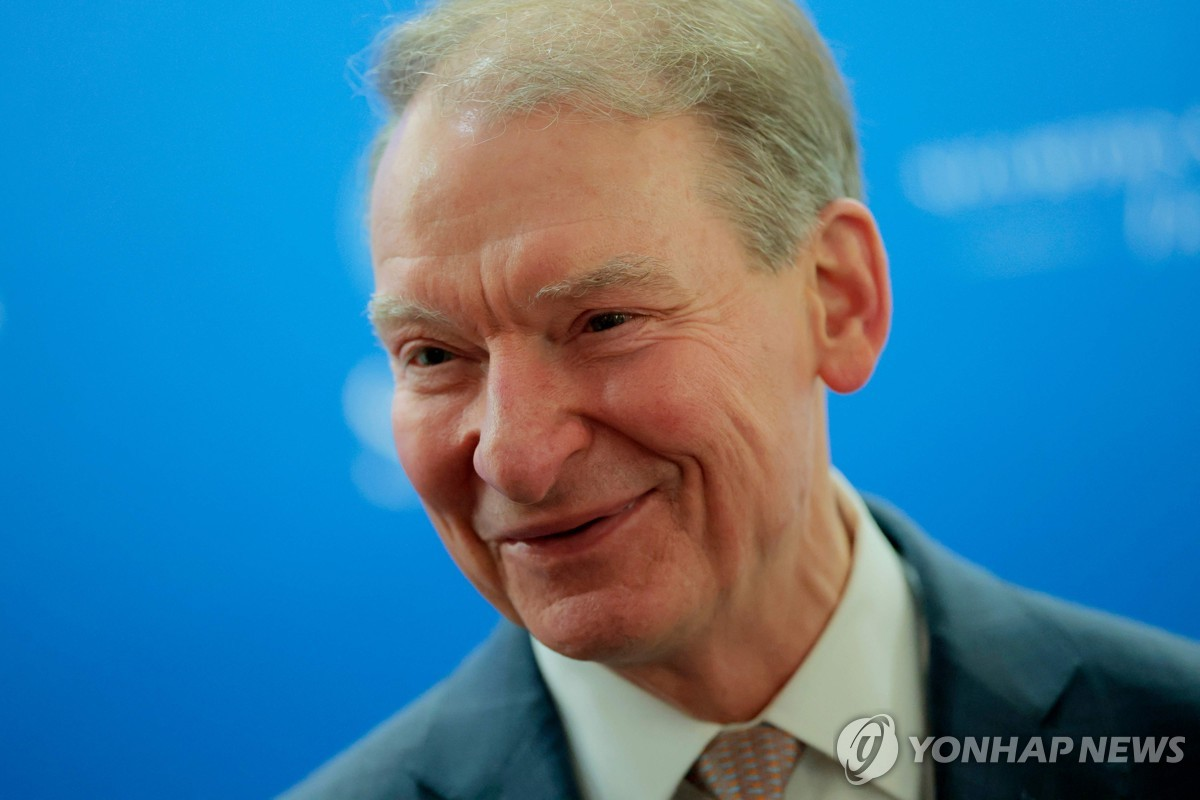
SK Hynix ADR 2x ETF Delayed as SEC Flags Early Volatility Risk
The SK Hynix ADR 2x ETF launch has been pushed from July 13 to July 14. The SEC is focusing on whether leveraged exposure could amplify early trading volatility. A similar delay occurred in a 2x ETF linked to SpaceX listing demand. Korean investors should weigh FX moves, spreads and compounding risk.
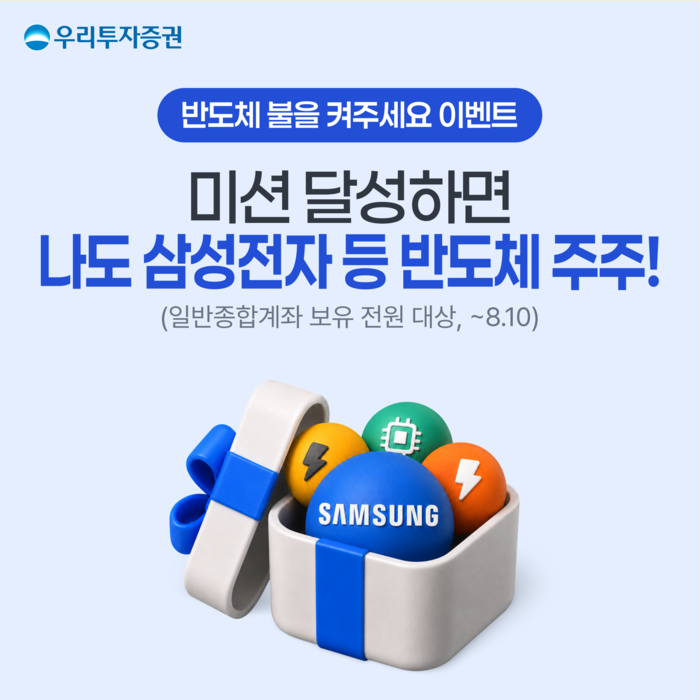
Woori Investment & Securities Semiconductor Event Offers Samsung and ETF Shares for AI Investing
Woori Investment & Securities is running the Semiconductor Light On event through August 10, 2026. The core benefit is a giveaway tied to Samsung Electronics shares and one ETF share. The campaign helps retail investors compare a leading chip stock with diversified ETF exposure, while market-price risk remains central.
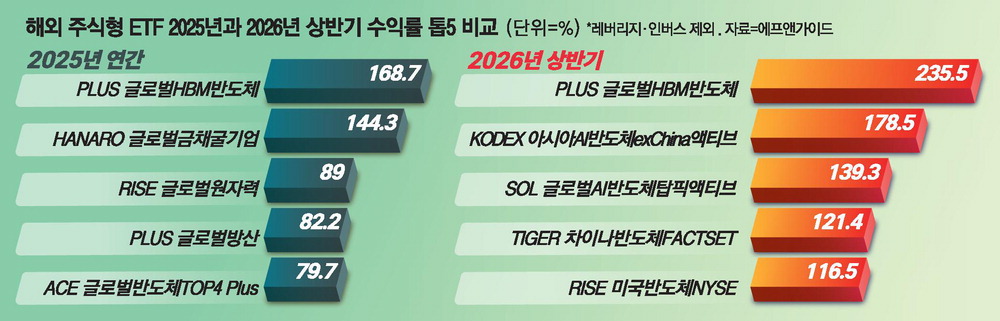
Overseas Equity ETFs in H1: Semiconductors Outshine Space Themes
The real winner in overseas equity ETFs in the first half of 2026 was semiconductors. Space and other new-growth themes drew attention, but returns were led by chip-related funds. Korean investors now need to weigh won-based returns, currency moves and theme concentration risk.
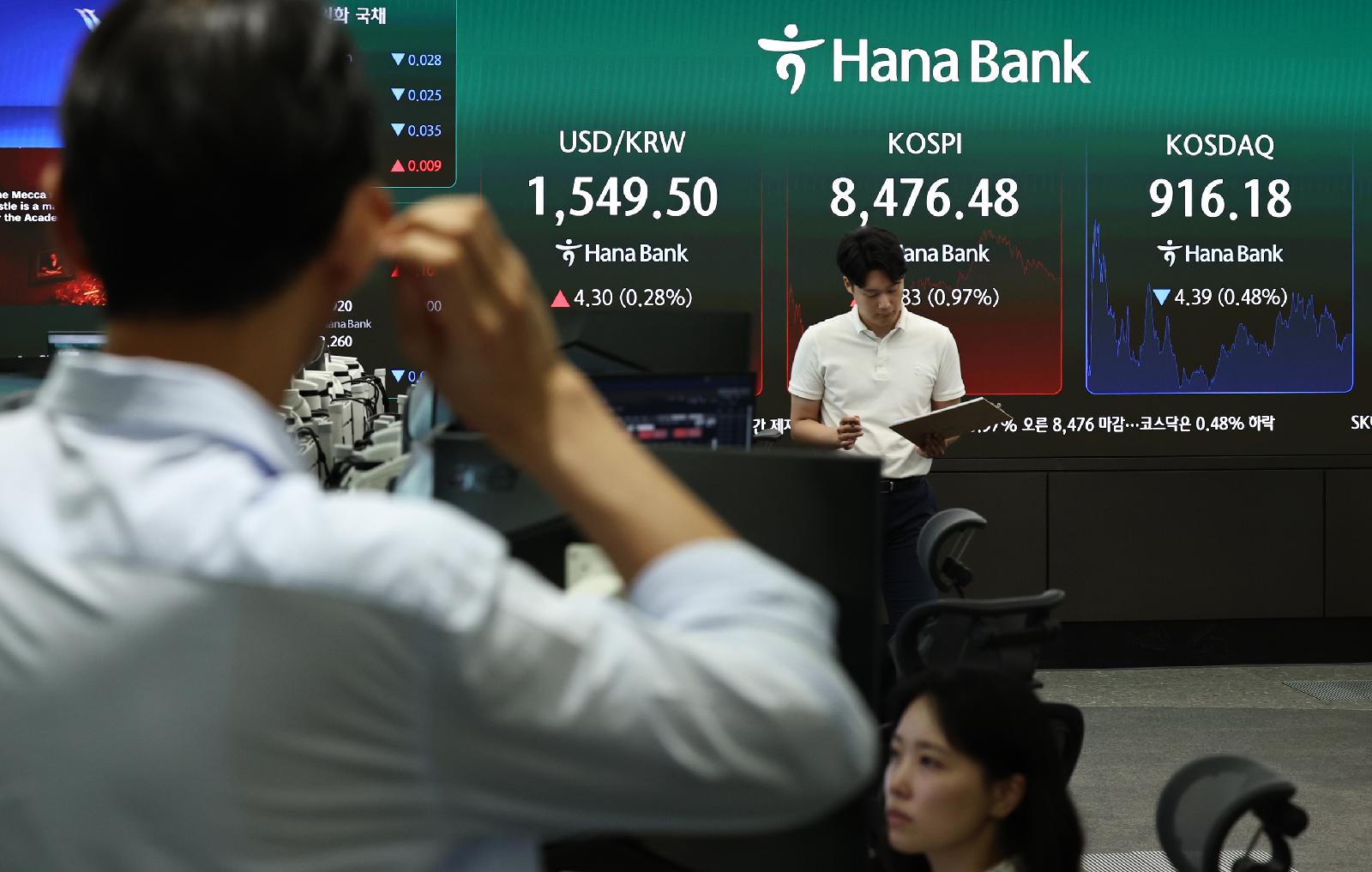
Second-Half ETF Strategy Shifts From Hynix to HBM4, AI Power and Covered Calls
Korea’s ETF market entered the second half after an extreme first-half tilt toward Hynix and AI semiconductors. Net assets climbed to 513 trillion won, up 72%. The next portfolio focus is a barbell of HBM4 equipment, U.S. AI power infrastructure and income-oriented active ETFs.
U.S. Space and K-Defense ETFs to Debut July 7 as Korean Theme ETF Lineup Expands
Two thematic ETFs focused on the U.S. space industry and K-defense will list on July 7, 2026. The issuers are Kiwoom Asset Management and Korea Investment Management. Korean investors will gain won-denominated access to space and defense value chains. Key checks include fees, index design, currency exposure, trading volume and premium-discount control.