Overseas Equity ETFs in H1: Semiconductors Outshine Space Themes
The real winner in overseas equity ETFs in the first half of 2026 was semiconductors. Space and other new-growth themes drew attention, but returns were led by chip-related funds. Korean investors now need to weigh won-based returns, currency moves and theme concentration risk.
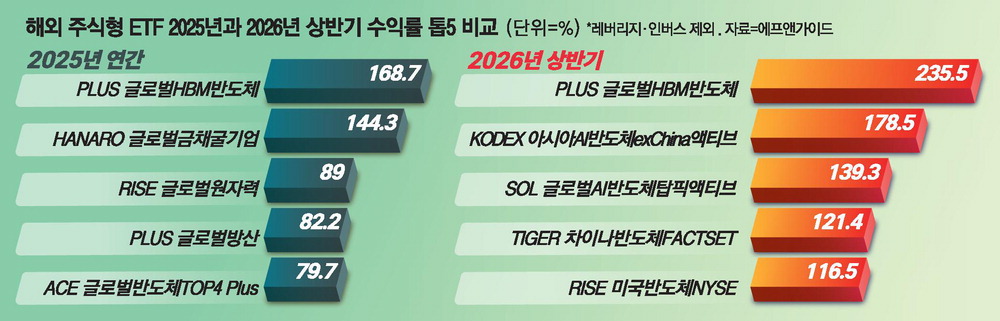
The first-half verdict for overseas equity ETFs is clear: attention went to space, robotics and other new-growth themes, but returns were led by semiconductors. Korean investors spread interest across future industries, yet funds tied to AI chips, memory recovery and high-performance computing carried the stronger performance profile.
Attention on Growth, Returns in Chips
Space ETFs became a standout search and trading theme as private space, satellite communications and advanced defense technology gained visibility. But popularity and returns did not move in lockstep. Semiconductor ETFs reflected clearer earnings expectations from January through June. AI server spending, advanced packaging, foundry competition and recovering memory prices combined to put chip funds near the top of the overseas equity ETF market.
Currency Matters for Korean Investors
For Korean investors, ETF performance does not end with dollar returns. Won-based gains also depend on the won-dollar exchange rate. A stronger dollar can lift converted returns, while a weaker dollar can dilute part of the share-price gain. Investors should check the index, holdings, currency exposure, hedge status, trading hours and tax treatment before relying on simple return tables.
What to Watch Next
Semiconductor ETFs are likely to remain a central overseas equity ETF theme in the second half. Still, first-half gains raise questions about valuation and concentration. Space ETFs retain long-term growth appeal, but their short-term earnings path is less direct. The message from H1 is simple: returns followed visible earnings and the industry cycle more than headline popularity.
Key points
- The real winner in overseas equity ETFs in the first half of 2026 was semiconductors. Space and other new-growth themes drew attention, but returns were led by chip-related funds. Korean investors now need to weigh won-based returns, currency moves and theme concentration risk.
- Use the body and FAQ context before acting on this update.
- Compare with related issues inside the category hub.
FAQ
Which overseas ETF theme led returns in H1 2026?
Semiconductor ETFs led the return narrative, while space and other growth themes drew more attention.
What should Korean investors check before buying overseas chip ETFs?
They should review the index, holdings, exchange rate exposure, hedge status, trading currency and tax treatment.
Are space ETFs no longer attractive?
No. They still have long-term growth potential, but semiconductor ETFs delivered stronger first-half performance.
Latest stories

Income ETFs Target Near-Retirees as Daily Covered Calls Gain Ground
Income ETFs are becoming a larger part of retirement conversations as clients seek reliable cash flow. Daily covered call ETFs add a more frequent options-premium engine to that toolkit. The strategy can support distributions, but it does not eliminate market risk or guarantee income. Korean investors must also consider won-dollar conversion, taxation and ac
Fully Active ETF Legislation Speeds Up as Legacy Fund Conversion Looms
Korea’s fully active ETF framework is entering a faster legislative phase in the second half of 2026. The core change would loosen the current benchmark-correlation structure and expand manager discretion. The hardest issue is whether already listed active ETFs can convert. Investors may gain more won-listed strategies, but fees, disclosure and manager skill
ETF commuting trades set for November as Nextrade readies 12-hour Korean access
Nextrade is preparing to support ETF trading in November. If the 08:00~20:00 window is applied to ETFs, retail investors in Korea will be able to place orders before work and after work. ETF pricing will depend on index data, indicative NAV and liquidity provider quotes. The first test will be product scope, spread quality and investor protection during thin
Meta Shock Lifts Leveraged ETF Risk as Samsung Earnings Set KOSPI Direction
Meta’s shock has exposed how 2x and 3x leveraged ETFs can magnify technology-stock losses. Korean investors are now focused on Samsung Electronics earnings as the main test of semiconductor recovery. Memory, HBM and foundry trends will shape KOSPI, KOSPI 200 ETFs and local chip ETFs.

KCGI Leads 3040 Retirement Pension Funds With Korea-Tailored Design
KCGI has taken first place in retirement pension fund returns by attracting investors in their 30s and 40s. Its edge lies in fund design that reflects Korean retirement timing, won-based expenses and long-term risk control. The shift shows that pension competition is moving toward lifecycle-based asset management.
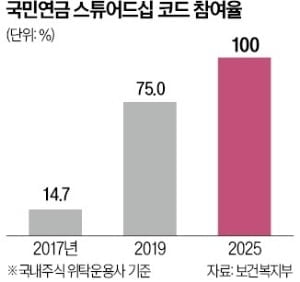
NPS to Directly Check External Managers’ Stewardship Code Practices
The National Pension Service is shifting to direct oversight of external managers’ stewardship code implementation. The move extends fiduciary responsibility beyond in-house portfolios to delegated mandates. Voting records, company engagement, ESG responses, conflict controls and reporting systems will become central review points. Korean ETF and asset manag

Leveraged ETF oversight tightens as Korea’s FSS summons asset managers
Korea’s FSS has summoned domestic asset managers, putting leveraged ETF oversight on the regulatory agenda. These funds target multiples of daily index moves, often 2x, but losses can accelerate when volatility rises. The review centers on product design, risk disclosure, liquidity controls and safeguards for retail investors.
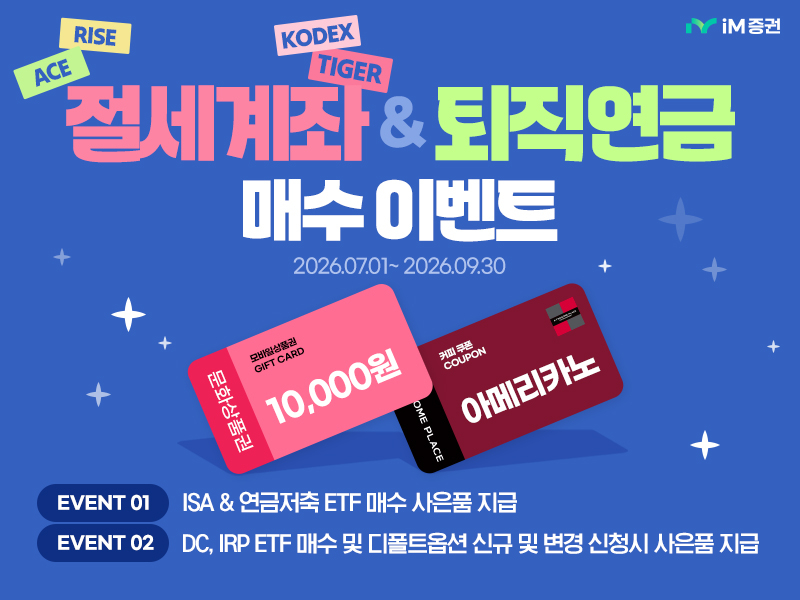
iM Securities ETF Trading Event for Tax-Saving and Retirement Accounts Runs Until Sept. 30
iM Securities is launching an ETF trading event for tax-saving and retirement pension accounts. The event runs from July 2 to Sept. 30. Eligible accounts include ISAs and retirement pension accounts. The move highlights stronger competition in Korea for long-term ETF investors using tax-advantaged accounts.