KDB Picks Seven Managers for Second National Growth Policy Sub-Funds
KDB and Korea Growth Investment confirmed seven managers for the second sub-funds under the National Growth Fund’s indirect policy investment program. The move expands the policy-finance channel through private managers. It does not place money directly into ETFs, but it offers a signal for Korea-focused growth and thematic ETF investors.
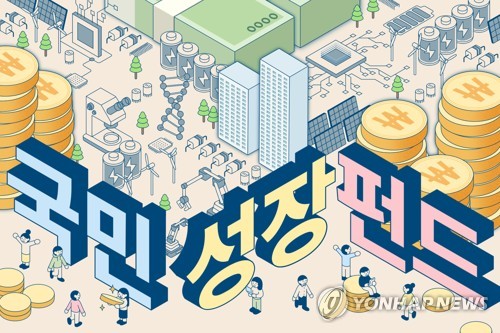
Korea Development Bank and Korea Growth Investment selected seven delegated managers on July 13, 2026 for the second sub-funds of the National Growth Fund’s indirect policy investment program. The decision marks a shift from simple public funding toward a broader capital channel built through private fund managers. The selection is the starting point; final market impact will depend on fund formation, private commitments and actual investment execution.
Policy Capital Channel
The indirect investment arm of the National Growth Fund allocates policy capital through fund managers rather than straight into individual companies. KDB provides policy-finance credibility and a capital base, while Korea Growth Investment manages the fund-of-funds process. The selected managers will refine fund terms, attract private investors and deploy risk capital into growth companies and industries. Fund formation, investment and monitoring remain subject to domestic capital-market rules and investor oversight.
Key Numbers
Three numbers define the decision: July 13, 2026; the second round of sub-funds; and seven delegated managers. The second round indicates a diversified deployment structure, not a one-off allocation. Selection does not mean investments are complete. Managers still need to raise commitments, screen targets, invest and plan exits. For Korean won-based policy capital, the key variables are closing rate and deployment speed.
ETF Market Impact
This is not an ETF listing event and does not decide any portfolio inclusion. Still, a wider channel of policy and private capital for growth companies can improve funding conditions for Korean growth industries. Over time, that can matter for thematic and active ETFs tracking those industries. Investors should watch fund size, private matching, investment fields and realized exits, not just the manager selection itself.
Key points
- KDB and Korea Growth Investment confirmed seven managers for the second sub-funds under the National Growth Fund’s indirect policy investment program. The move expands the policy-finance channel through private managers. It does not place money directly into ETFs, but it offers a signal for Korea-focused growth and thematic ETF investors.
- Use the body and FAQ context before acting on this update.
- Compare with related issues inside the category hub.
FAQ
What was selected?
Seven delegated managers for the second sub-funds of the National Growth Fund’s indirect policy investment program.
Does this directly affect ETFs?
No. It does not create or rebalance an ETF directly, but it can indirectly influence sentiment toward Korean growth and thematic ETFs.
What should investors watch next?
Fund commitments, private investor matching, target sectors, deployment speed and exit performance.
Latest stories
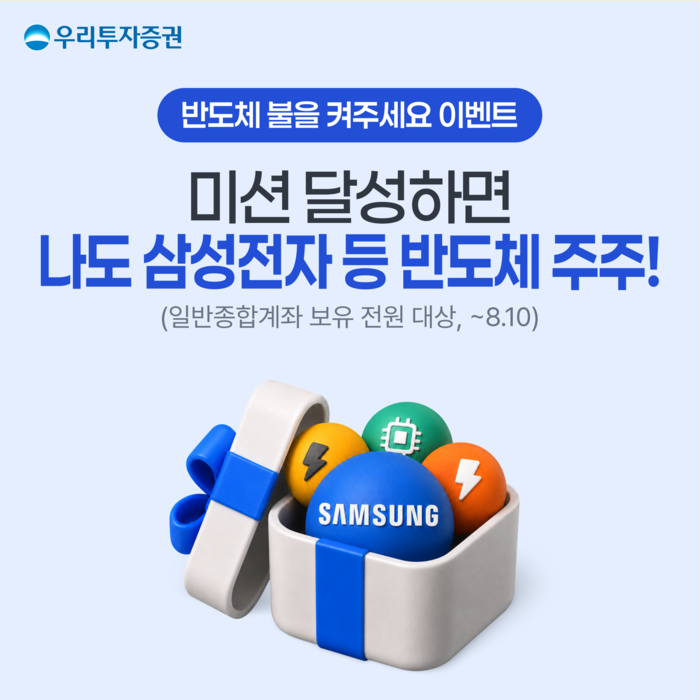
Woori Investment & Securities Semiconductor Event Offers Samsung and ETF Shares for AI Investing
Woori Investment & Securities is running the Semiconductor Light On event through August 10, 2026. The core benefit is a giveaway tied to Samsung Electronics shares and one ETF share. The campaign helps retail investors compare a leading chip stock with diversified ETF exposure, while market-price risk remains central.
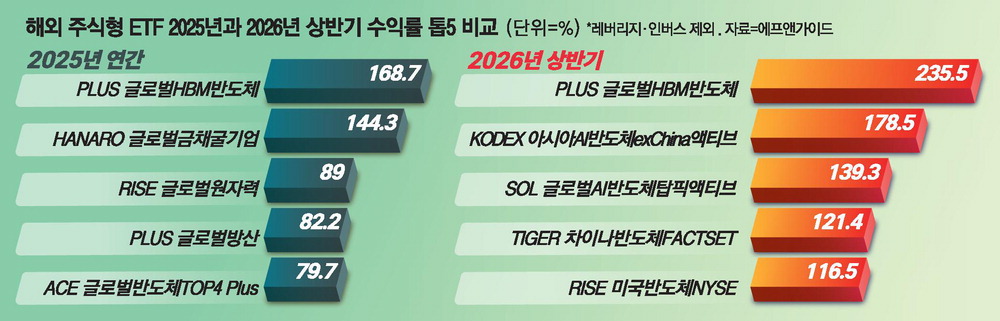
Overseas Equity ETFs in H1: Semiconductors Outshine Space Themes
The real winner in overseas equity ETFs in the first half of 2026 was semiconductors. Space and other new-growth themes drew attention, but returns were led by chip-related funds. Korean investors now need to weigh won-based returns, currency moves and theme concentration risk.
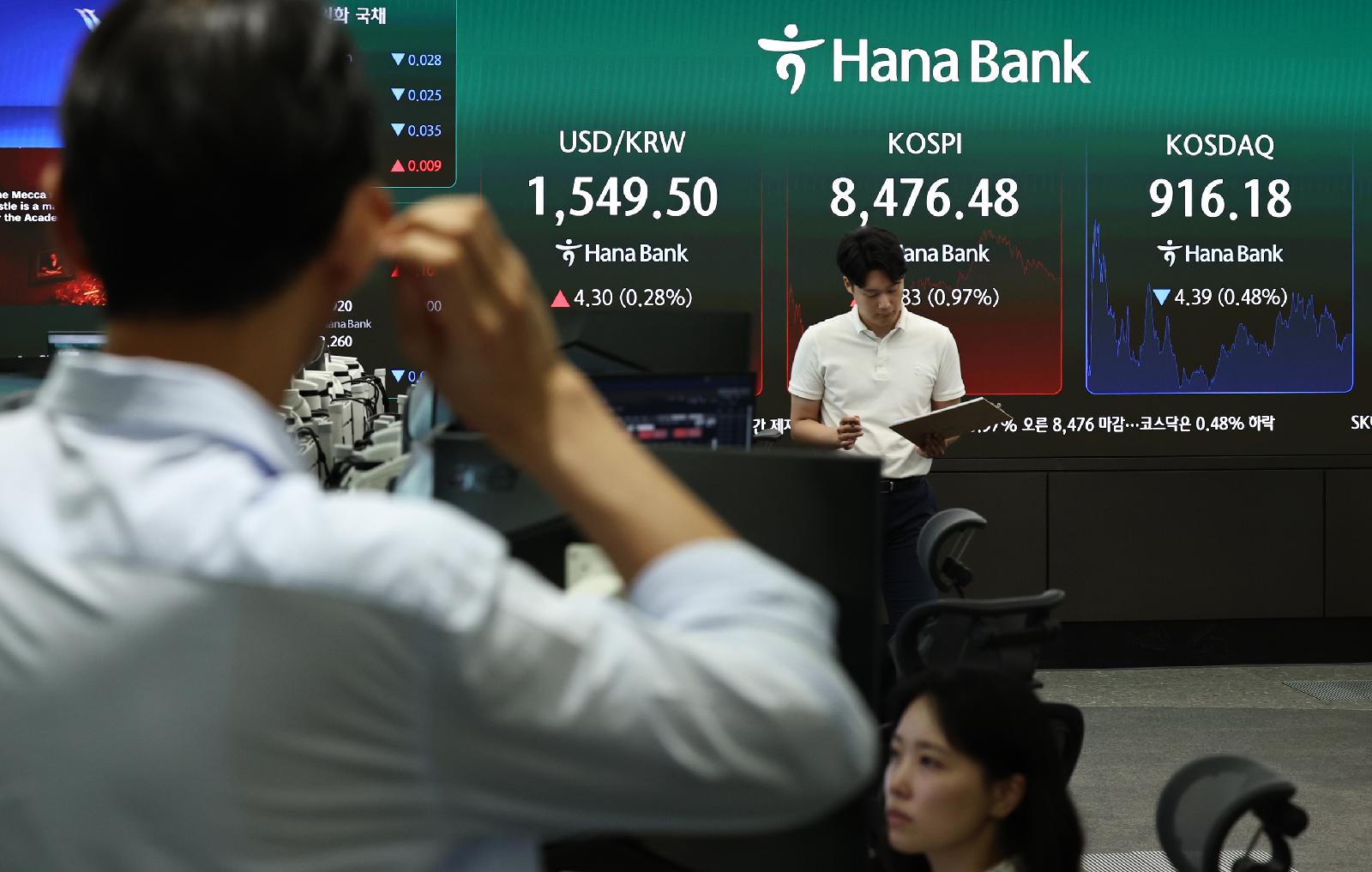
Second-Half ETF Strategy Shifts From Hynix to HBM4, AI Power and Covered Calls
Korea’s ETF market entered the second half after an extreme first-half tilt toward Hynix and AI semiconductors. Net assets climbed to 513 trillion won, up 72%. The next portfolio focus is a barbell of HBM4 equipment, U.S. AI power infrastructure and income-oriented active ETFs.
U.S. Space and K-Defense ETFs to Debut July 7 as Korean Theme ETF Lineup Expands
Two thematic ETFs focused on the U.S. space industry and K-defense will list on July 7, 2026. The issuers are Kiwoom Asset Management and Korea Investment Management. Korean investors will gain won-denominated access to space and defense value chains. Key checks include fees, index design, currency exposure, trading volume and premium-discount control.
Korea Investment Hosts Global Alternative Investment Leaders Event
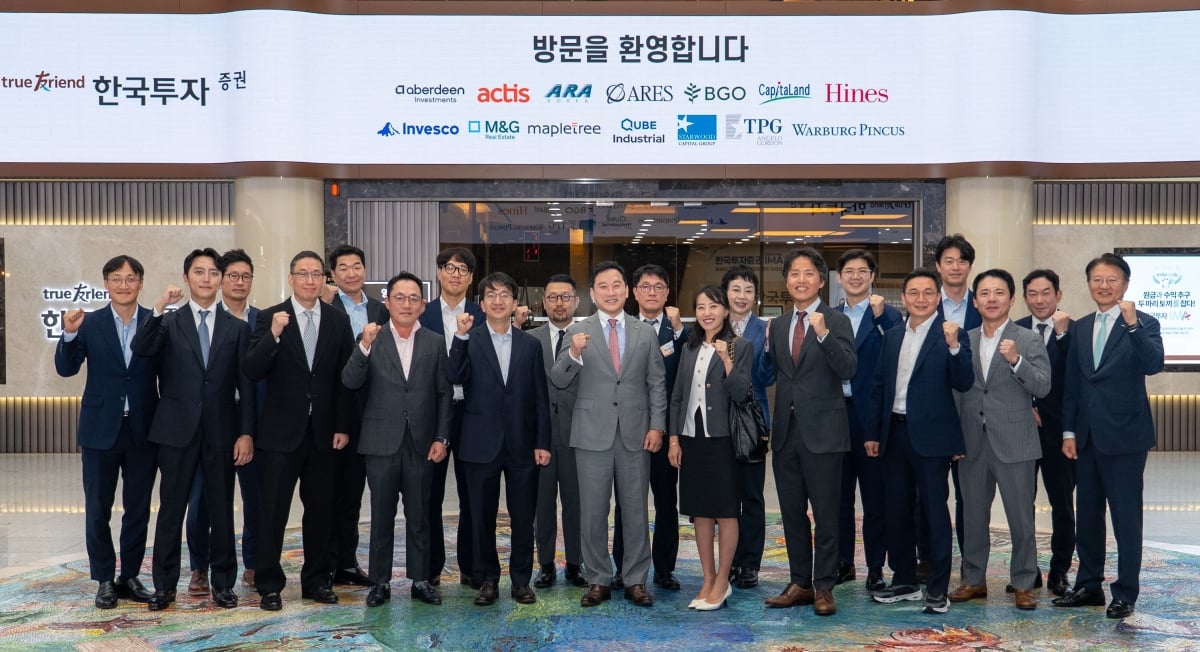
Korea Investment & Securities brought global alternative investment leaders to Korea to review strategies for domestic investors. The event focused on ETF portfolio diversification and access to private credit, infrastructure, real estate and hedge-fund-style strategies. Demand for overseas alternatives is expected to grow as rates and currency volatility re

Regional Venture Funds Turn K-Startup Discovery Into a New Growth Engine
K-content exports rose to a record $14.9 billion in 2025. The next growth challenge is discovering technology and content startups outside Seoul. Regional venture funds can fill early funding gaps and industrialize K-culture expansion. Follow-on capital, exits, and regulatory readiness will decide the outcome.
Busan Venture Ecosystem Gets 2 Trillion Won Fund Push With Financial Regulator
Busan and the Financial Services Commission began talks on July 3 to strengthen the regional venture ecosystem. The central measure is a 2 trillion won fund designed to expand startup and growth capital. Participation by financial and investment institutions could help ease Seoul-area concentration and support local innovation firms.
National Growth Fund Pushes Busan Future Mobility, Defense for Mega Project
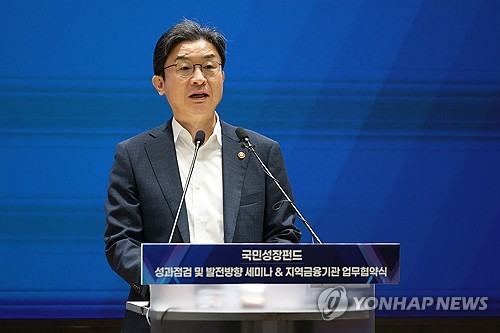
Lee Eok-won identified a gap in the National Growth Fund: none of the 21 approved projects includes a Busan company. The next focus is the second mega project, where Busan future mobility and defense firms are set to seek approval. The outcome matters for Korean won funding, regional manufacturing and listed supply chains.