Korea, Japan and Taiwan ETFs Surge as Second-Half Strategy Turns Defensive
Asia country ETFs delivered sharply different gains in the first half of 2026. As of June 25 NAV total return, the Korea ETF led with 108.98%, followed by Taiwan at 66.16% and Japan at 15.76%. The second-half test is valuation, currency, policy and semiconductor concentration risk.
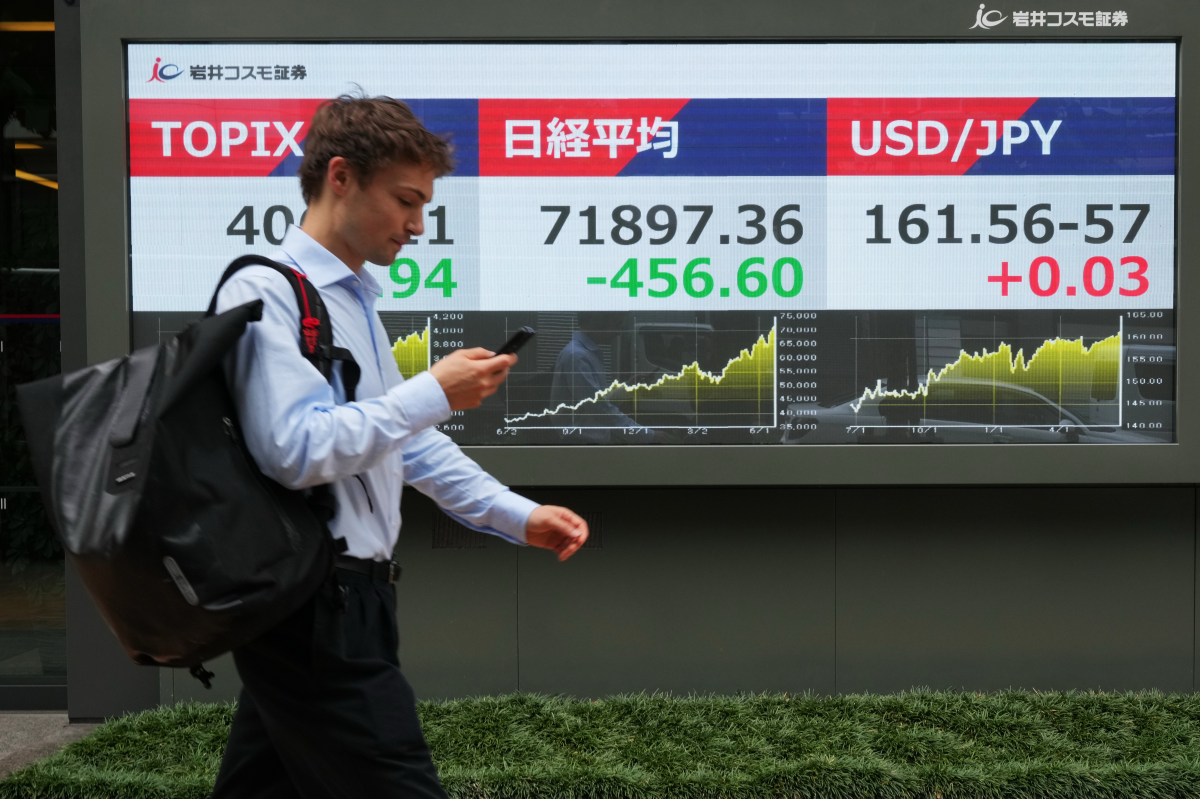
Korea, Taiwan and Japan country ETFs enter the second half with strong momentum, but the trade has moved from discovery to risk control. As of June 25, NAV total return was 108.98% for iShares MSCI South Korea ETF, 66.16% for iShares MSCI Taiwan ETF and 15.76% for iShares MSCI Japan ETF. On June 26 their closing prices were $197.28, $102.81 and $92.80.
Semiconductors Led Returns
Korea and Taiwan rallied on AI servers, memory pricing and chip orders. Technology weights are 57.47% in the Korea ETF and 75.12% in the Taiwan ETF, while Japan is broader: industrials 22.81%, technology 22.50% and financials 17.24%. That makes Korea and Taiwan more exposed to earnings revisions; Japan is more tied to the yen, manufacturing and shareholder returns.
Second-Half Playbook
For Korean investors, dollar returns must be translated into won returns, and tax treatment differs between direct overseas ETFs and Korea-listed overseas ETFs. The main variables are Fed cuts, Bank of Japan tightening, FX, U.S.-China tech rules and chip guidance. New money should use staged entries; existing holders should rebalance excess country exposure rather than chase past performance.
Key points
- Asia country ETFs delivered sharply different gains in the first half of 2026. As of June 25 NAV total return, the Korea ETF led with 108.98%, followed by Taiwan at 66.16% and Japan at 15.76%. The second-half test is valuation, currency, policy and semiconductor concentration risk.
- Use the body and FAQ context before acting on this update.
- Compare with related issues inside the category hub.
FAQ
Which ETF has led among Korea, Japan and Taiwan this year?
As of June 25 NAV total return, the representative Korea ETF led at 108.98%, followed by Taiwan at 66.16% and Japan at 15.76%.
What are the biggest second-half variables?
Fed rate cuts, Bank of Japan tightening, won-yen-Taiwan dollar moves, U.S.-China tech rules and semiconductor earnings guidance are the key variables.
What should Korean investors check first?
They should convert dollar returns into won returns and compare tax, account eligibility and currency-hedging features across overseas and Korea-listed ETFs.
Latest stories
Single-stock 2x ETFs draw regulator warning over Samsung and SK Hynix leverage risk
Regulatory concern is growing over 2x leveraged single-stock ETFs linked to Samsung Electronics and SK Hynix. Lee Chan-jin warned that the products may prioritize brokerage profits over investor protection. Because they seek twice the daily move of a single stock, gains and losses can expand quickly for retail investors.
Asset managers post record Q1 operating profit, yet 4 in 10 stay in the red as ETF divide widens
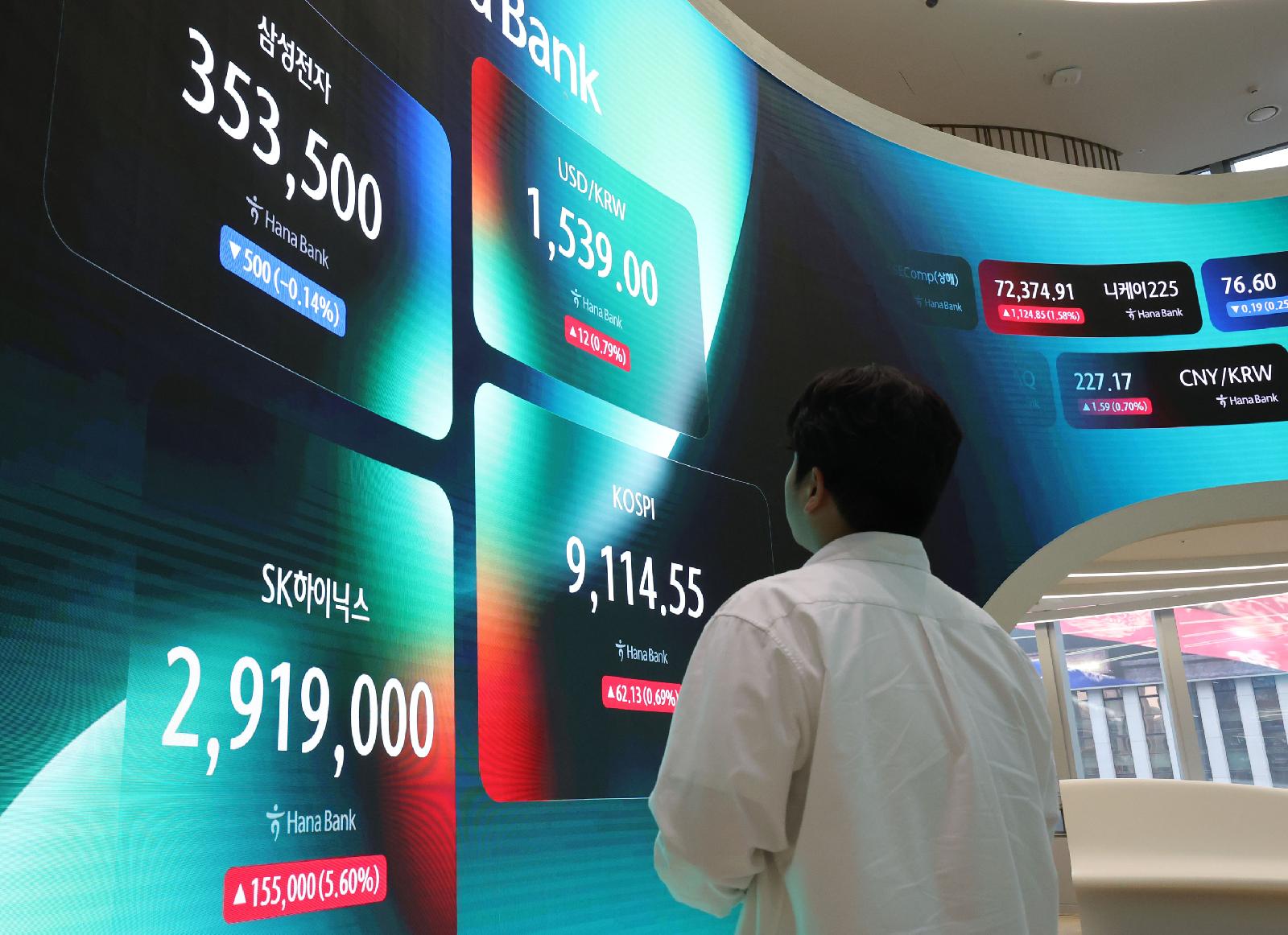
Korea’s asset management industry posted its highest quarterly operating profit in Q1, helped by a stronger equity market and rapid ETF expansion. The gains were uneven. Roughly four in ten managers still reported losses as scale, brand power and distribution access concentrated profits among larger firms.
Samsung Electronics and SK Hynix Leveraged ETFs Face New Safeguards
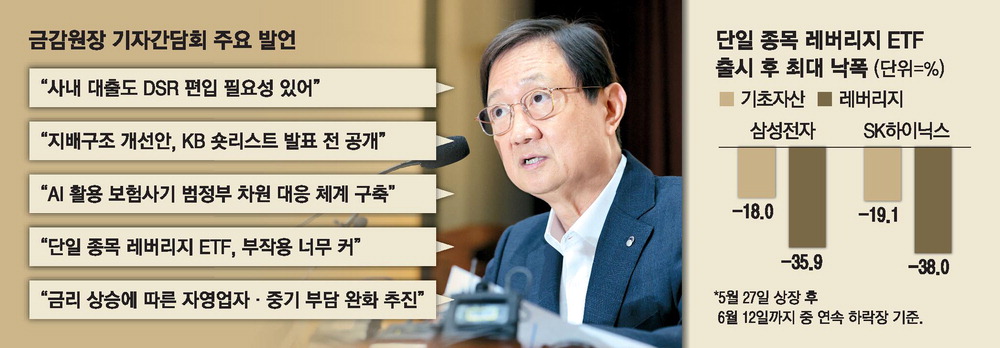
Single-stock leveraged ETFs linked to Samsung Electronics and SK Hynix have become a direct regulatory concern. Lee Chan-jin said the products should have been stopped forcefully before the frenzy grew. High-turnover trading, retail concentration and daily leverage resets are amplifying risk. New safeguards are expected to focus on disclosure, suitability ch
Asset Manager Earnings Split Widens as ETF Growth Leaves 40% in Losses
Korea’s asset management industry delivered record quarterly operating profit in the first quarter. A stronger stock market and rapid ETF growth lifted fee income. Still, roughly four in ten managers posted losses, showing a widening profitability gap. Scale, liquidity and distribution power are becoming decisive in the ETF era.
KB Asset Management Takes 5.09% Stake in JLK, Spotlighting Medical AI Flow
KB Asset Management has taken a 5.09% stake in JLK and classified the position as a simple investment. In Korea, ownership above 5% is a visible institutional signal. The move points less to control and more to exposure to medical AI growth. Investors should watch won-based valuation, stake changes and ETF or fund flows.
Timefolio With Time Fund Tops KRW 1 Trillion in AUM, Strengthening Active Fund Profile
Timefolio Asset Management’s Timefolio With Time fund has crossed KRW 1 trillion in AUM. The milestone signals stronger investor confidence, broader distribution support and greater visibility for active funds in Korea. For investors, scale can indicate liquidity depth and operating durability, though fees, volatility and strategy remain essential checks.

Korea Investment Hosts Overseas Asset Manager CEOs to Expand Global ETF Network
Korea Investment & Securities held an invitation event for CEOs of overseas asset managers. The event reflects the growing role of global ETFs and overseas funds as differentiators for Korean brokerage platforms. The firm strengthened its foundation for offering Korean investors a wider range of global investment choices.
AI Semiconductor ETFs Rally as Leveraged Funds Draw Fast Short-Term Inflows
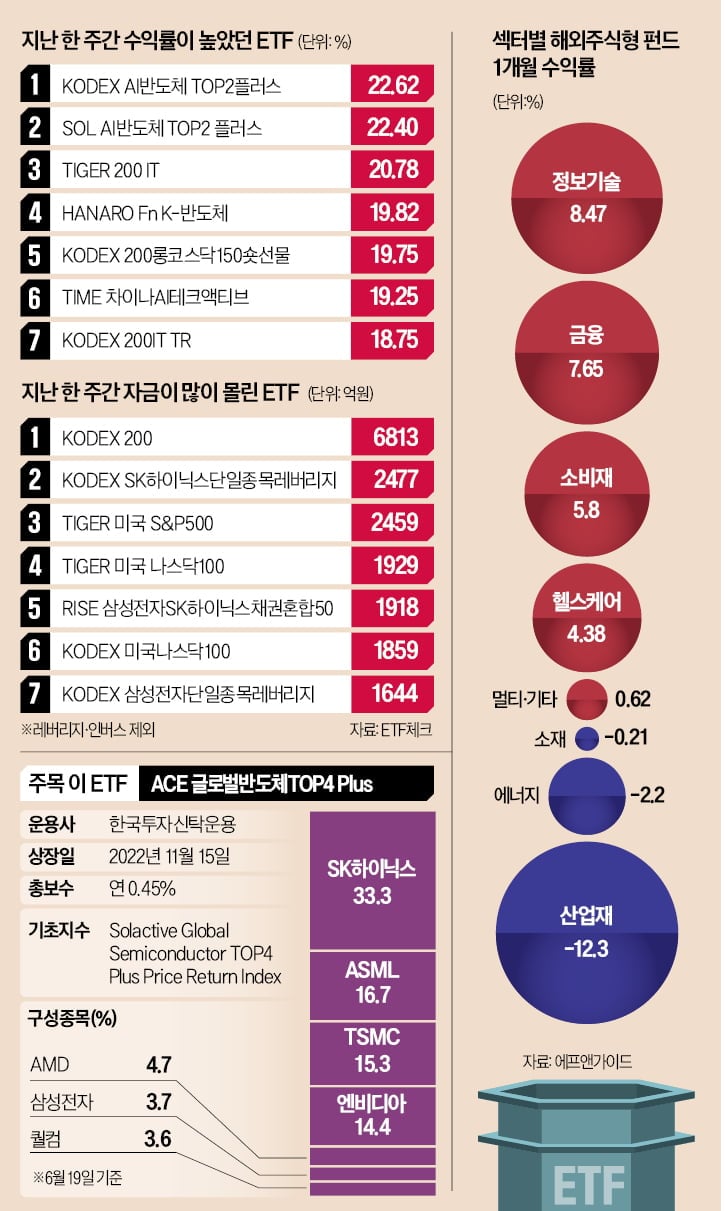
AI semiconductor ETFs are riding stronger demand for AI servers, memory, networking chips and equipment. Money is moving beyond plain ETFs into 2x and 3x leveraged products. Korean investors must weigh dollar exposure, local trading rules and short-term volatility before chasing the rally.