SK Hynix ADR Entry Into U.S. Semiconductor ETFs Reshapes AI Memory Exposure
SK Hynix’s ADR will become eligible for U.S. semiconductor ETF portfolios as the company moves toward a July 10, 2026 Nasdaq listing. The structure sets 10 ADRs equal to one common share. The planned transaction has a ceiling of 45.45 trillion won, or about $29.4 billion, tied to fabs, HBM packaging and EUV tools. Korean investors must compare common shares,
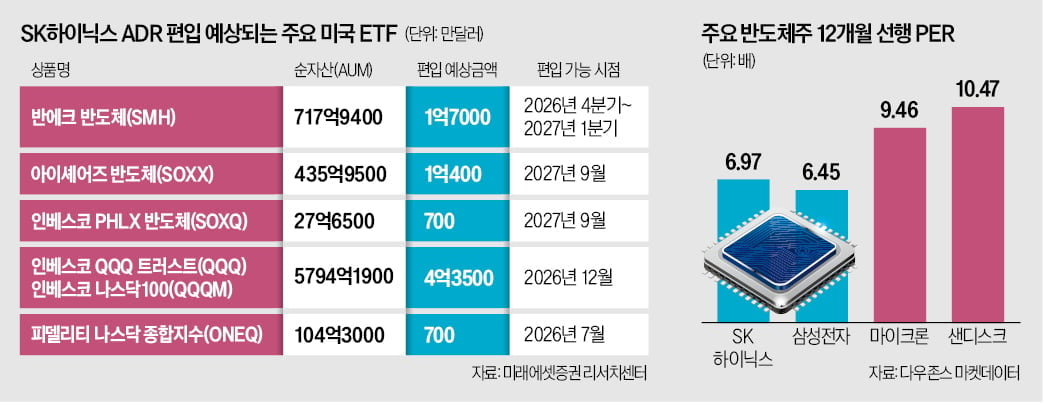
SK Hynix’s ADR inclusion in U.S. semiconductor ETFs marks a broader opening for investors seeking direct AI memory exposure. The Nasdaq listing gives ETF providers a U.S.-traded dollar instrument tied to one of the core suppliers of HBM and DRAM.
Why ETF Access Matters
U.S. semiconductor ETFs have largely held companies that are easy to trade in the American market, including Nvidia, AMD, Broadcom, Micron and TSMC. SK Hynix has been central to AI memory supply, but limited U.S. tradability constrained direct ETF ownership. The ADR changes that. Weightings will depend on each fund’s index rules, liquidity tests and rebalance calendar.
Listing Structure
The Nasdaq listing is scheduled for July 10, 2026. Ten ADRs will represent one common share. The planned deal is capped at 45.45 trillion won, about $29.4 billion, with proceeds linked to the Yongin fab, Cheongju HBM back-end investment and EUV equipment. For Korean investors, the key comparison is no longer only SK Hynix common stock versus Samsung Electronics. It is common stock versus ADRs versus U.S. semiconductor ETFs, all affected by the won-dollar exchange rate, taxes and trading hours.
Key points
- SK Hynix’s ADR will become eligible for U.S. semiconductor ETF portfolios as the company moves toward a July 10, 2026 Nasdaq listing. The structure sets 10 ADRs equal to one common share. The planned transaction has a ceiling of 45.45 trillion won, or about $29.4 billion, tied to fabs, HBM packaging and EUV tools. Korean investors must compare common shares,
- Use the body and FAQ context before acting on this update.
- Compare with related issues inside the category hub.
FAQ
Why can SK Hynix ADR enter U.S. semiconductor ETFs?
The Nasdaq ADR gives U.S. funds a dollar-traded listed security. Actual weight depends on each ETF’s index and rebalance rules.
Is the ADR the same as the Korean common share?
It is a depositary receipt backed by common shares. In this structure, 10 ADRs represent one common share.
What should Korean investors watch?
They should compare trading hours, tax treatment, FX costs and account eligibility across common shares, ADRs and U.S.-listed ETFs.
Latest stories
Samsung Electronics and SK Hynix Leveraged ETFs Face New Safeguards
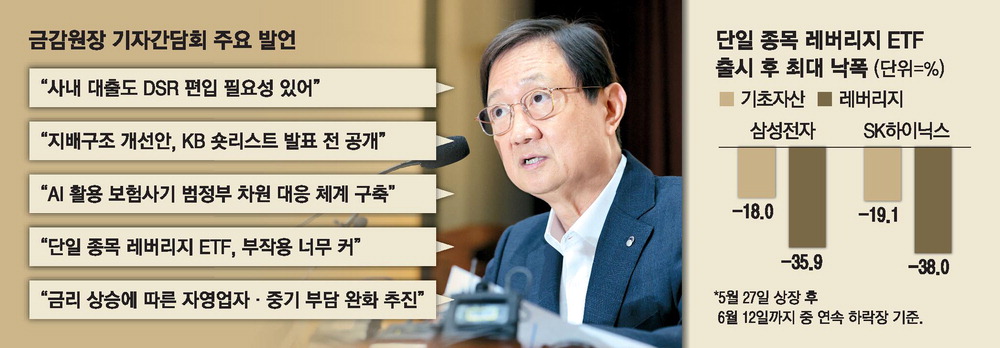
Single-stock leveraged ETFs linked to Samsung Electronics and SK Hynix have become a direct regulatory concern. Lee Chan-jin said the products should have been stopped forcefully before the frenzy grew. High-turnover trading, retail concentration and daily leverage resets are amplifying risk. New safeguards are expected to focus on disclosure, suitability ch
Asset Manager Earnings Split Widens as ETF Growth Leaves 40% in Losses
Korea’s asset management industry delivered record quarterly operating profit in the first quarter. A stronger stock market and rapid ETF growth lifted fee income. Still, roughly four in ten managers posted losses, showing a widening profitability gap. Scale, liquidity and distribution power are becoming decisive in the ETF era.
KB Asset Management Takes 5.09% Stake in JLK, Spotlighting Medical AI Flow
KB Asset Management has taken a 5.09% stake in JLK and classified the position as a simple investment. In Korea, ownership above 5% is a visible institutional signal. The move points less to control and more to exposure to medical AI growth. Investors should watch won-based valuation, stake changes and ETF or fund flows.
Timefolio With Time Fund Tops KRW 1 Trillion in AUM, Strengthening Active Fund Profile
Timefolio Asset Management’s Timefolio With Time fund has crossed KRW 1 trillion in AUM. The milestone signals stronger investor confidence, broader distribution support and greater visibility for active funds in Korea. For investors, scale can indicate liquidity depth and operating durability, though fees, volatility and strategy remain essential checks.
Korea Investment Hosts Overseas Asset Manager CEOs to Expand Global ETF Network
Korea Investment & Securities held an invitation event for CEOs of overseas asset managers. The event reflects the growing role of global ETFs and overseas funds as differentiators for Korean brokerage platforms. The firm strengthened its foundation for offering Korean investors a wider range of global investment choices.
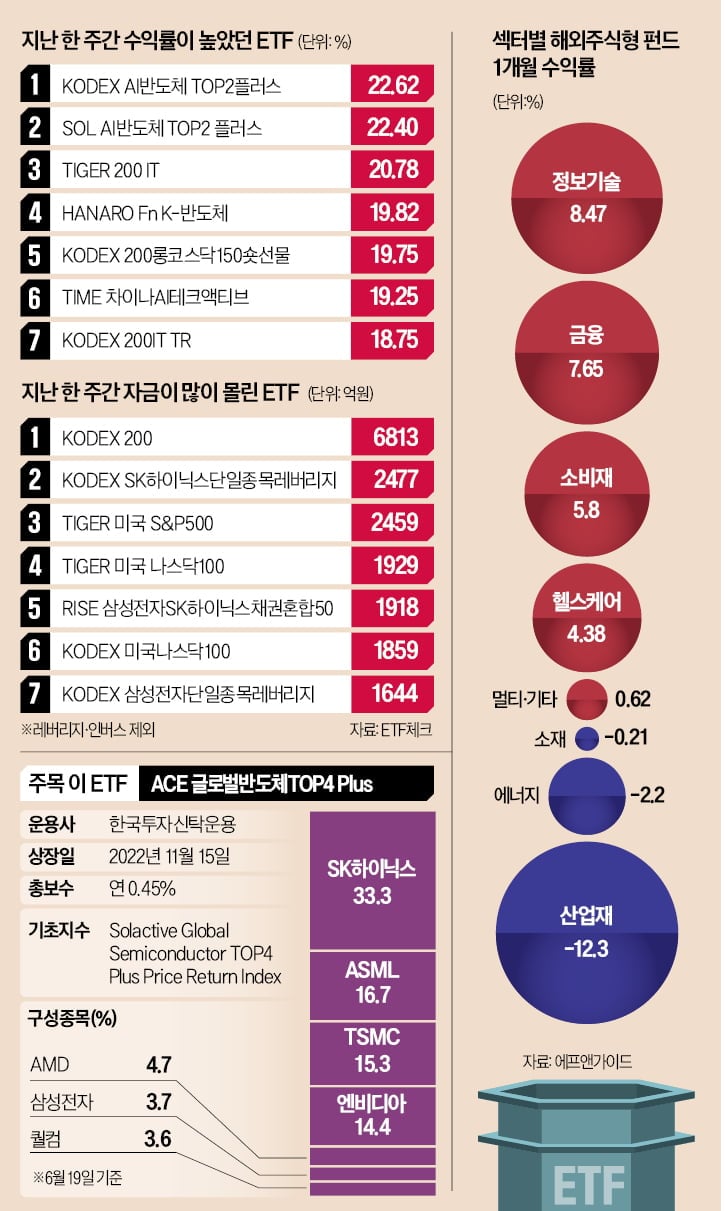
AI Semiconductor ETFs Rally as Leveraged Funds Draw Fast Short-Term Inflows
AI semiconductor ETFs are riding stronger demand for AI servers, memory, networking chips and equipment. Money is moving beyond plain ETFs into 2x and 3x leveraged products. Korean investors must weigh dollar exposure, local trading rules and short-term volatility before chasing the rally.
Anthropic AI ETFs Gain Attention as SpaceX Sparks Pre-IPO Demand
Pre-IPO demand that followed SpaceX is moving toward AI ETFs with exposure to Anthropic and OpenAI. BAI holds $109 million in Anthropic preferred shares and $47 million in OpenAI, about 1% of assets. T. Rowe Price Technology ETF holds $4.9 million across the two names. Korean investors need to weigh won returns, overseas ETF taxation, liquidity and private-s
Korean Semiconductor Materials ETF Rally Shifts Retail Money to Front-End Funds
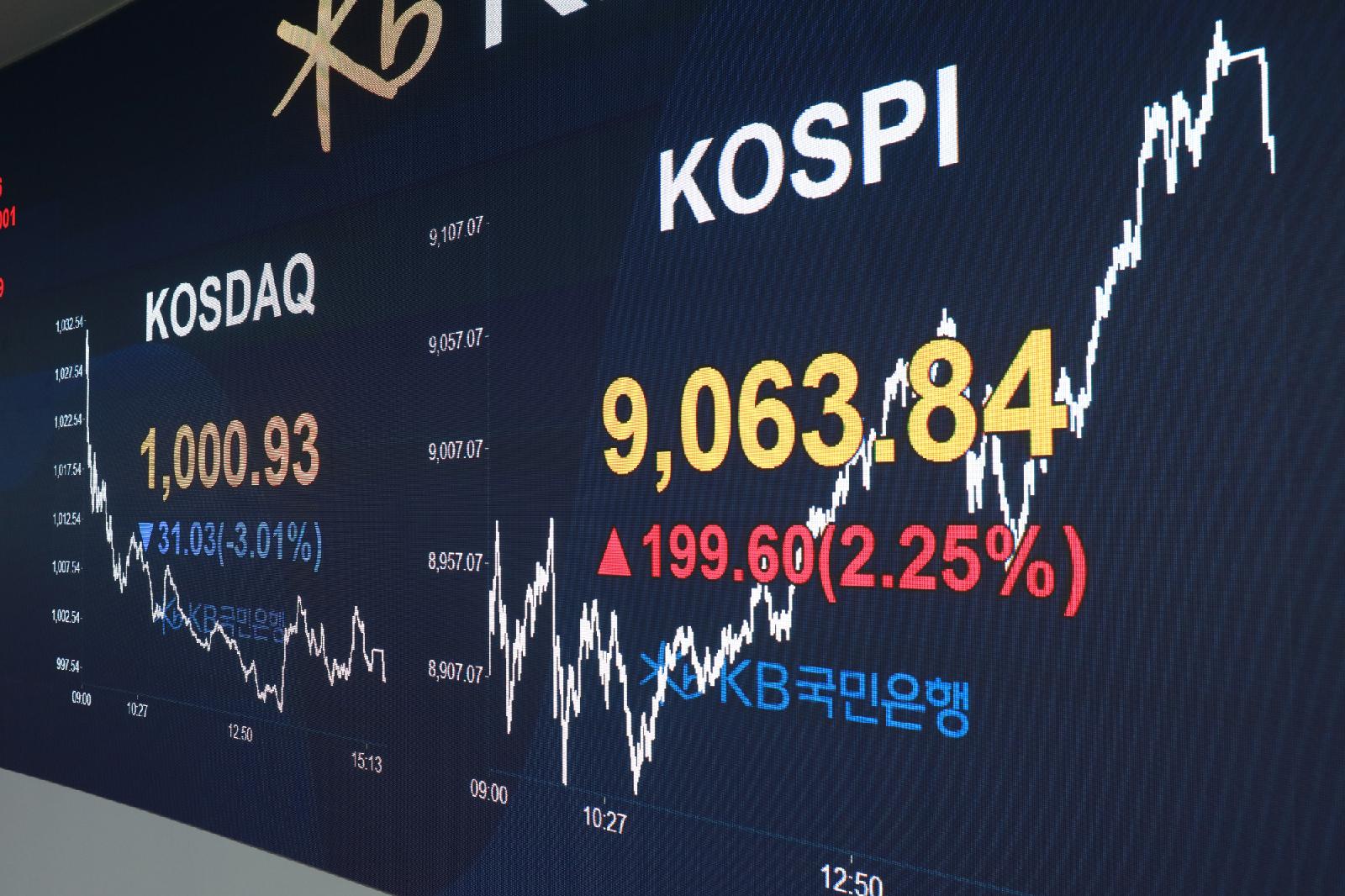
The second leg of Korea’s semiconductor rally is spreading from large chipmakers to materials, parts and equipment. Several related ETFs ranked near the top in June returns. SOL Semiconductor Front-End took first place, helped by strength in PSK, VM and TES. The market views the move as an internal sector rotation.