NPS to Directly Check External Managers’ Stewardship Code Practices
The National Pension Service is shifting to direct oversight of external managers’ stewardship code implementation. The move extends fiduciary responsibility beyond in-house portfolios to delegated mandates. Voting records, company engagement, ESG responses, conflict controls and reporting systems will become central review points. Korean ETF and asset manag
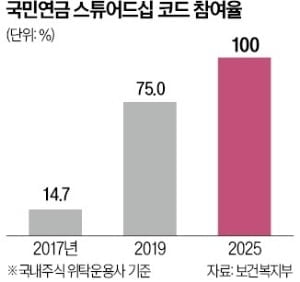
The National Pension Service will directly manage how external managers implement the stewardship code. The shift moves oversight beyond return reporting and into voting principles, engagement procedures, key ESG issues, conflict controls and regular documentation. For a KRW 1,200 trillion-scale fund, this is a clear change in posture: NPS is acting not only as a capital allocator, but as the final asset owner responsible for fiduciary standards.
Why external managers matter
NPS adopted the stewardship code in 2018 and has steadily refined its voting and engagement rules. But its portfolio is run through both internal and external mandates. When an outside manager analyzes companies, trades holdings and engages issuers with NPS capital, stewardship quality can vary by firm. Direct checks are designed to narrow that gap.
Market impact
Review points will center on voting records, reasons for opposition or abstention, responses to environmental, social and governance issues, company dialogue logs, conflict management and periodic reporting. Korean asset managers will need stronger documentation, not just performance numbers. ETF managers are also affected, because passive funds still carry voting rights that shape market discipline. Over time, responsible investment capability is likely to become part of the competition for delegated mandates.
Key points
- The National Pension Service is shifting to direct oversight of external managers’ stewardship code implementation. The move extends fiduciary responsibility beyond in-house portfolios to delegated mandates. Voting records, company engagement, ESG responses, conflict controls and reporting systems will become central review points. Korean ETF and asset manag
- Use the body and FAQ context before acting on this update.
- Compare with related issues inside the category hub.
FAQ
What will NPS directly review?
NPS will review external managers’ stewardship code implementation, proxy voting, company engagement, conflict controls and reporting systems.
Does this affect ETF managers?
Yes. ETF and passive managers using NPS capital will need to explain voting and engagement consistency, not only returns and tracking error.
Why does it matter for investors?
A KRW 1,200 trillion-scale long-term investor can influence governance standards, dividend policy debates and fiduciary discipline across Korea’s market.
Latest stories

Micron Earnings Surprise Revives AI Memory Semiconductor ETF Momentum
Micron’s fiscal third-quarter numbers reset the near-term case for memory ETFs. Adjusted EPS reached $25.11 and revenue hit $41.46 billion, far above market expectations. AI inference is deepening demand for HBM, DRAM and NAND while supply remains slow to respond. Korean investors should weigh FX, tax, hedge structure and exposure to Samsung Electronics and
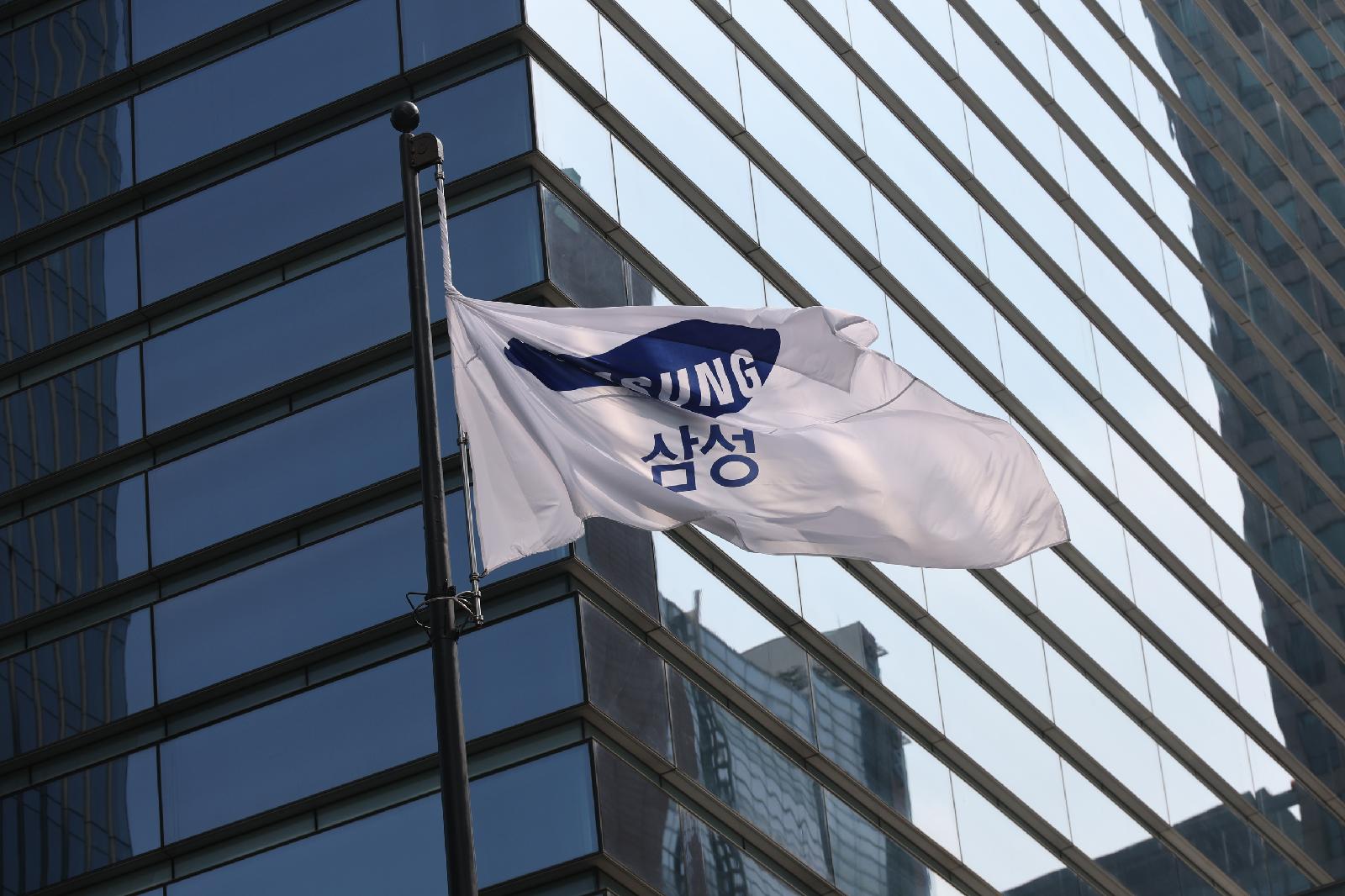
Samsung to Run 3.5 Trillion Won Mutual Growth and ESG Fund With Suppliers
Samsung’s 11 affiliates are expanding a shared growth framework with suppliers. The core measure is a 3.5 trillion won mutual growth and ESG fund. The initiative is designed to ease financing burdens, strengthen ESG compliance and support long-term supply-chain competitiveness.
Sovereign Funds Shift From Stocks to Private Assets as Dollar Doubts Grow
Long-term capital controlled by sovereign wealth funds and central banks is shifting away from listed equities toward private assets and infrastructure. Equity risk and weakening confidence in dollar assets are driving the move. The trend is also relevant for Korean investors through currency risk, ETF flows and pension allocation.
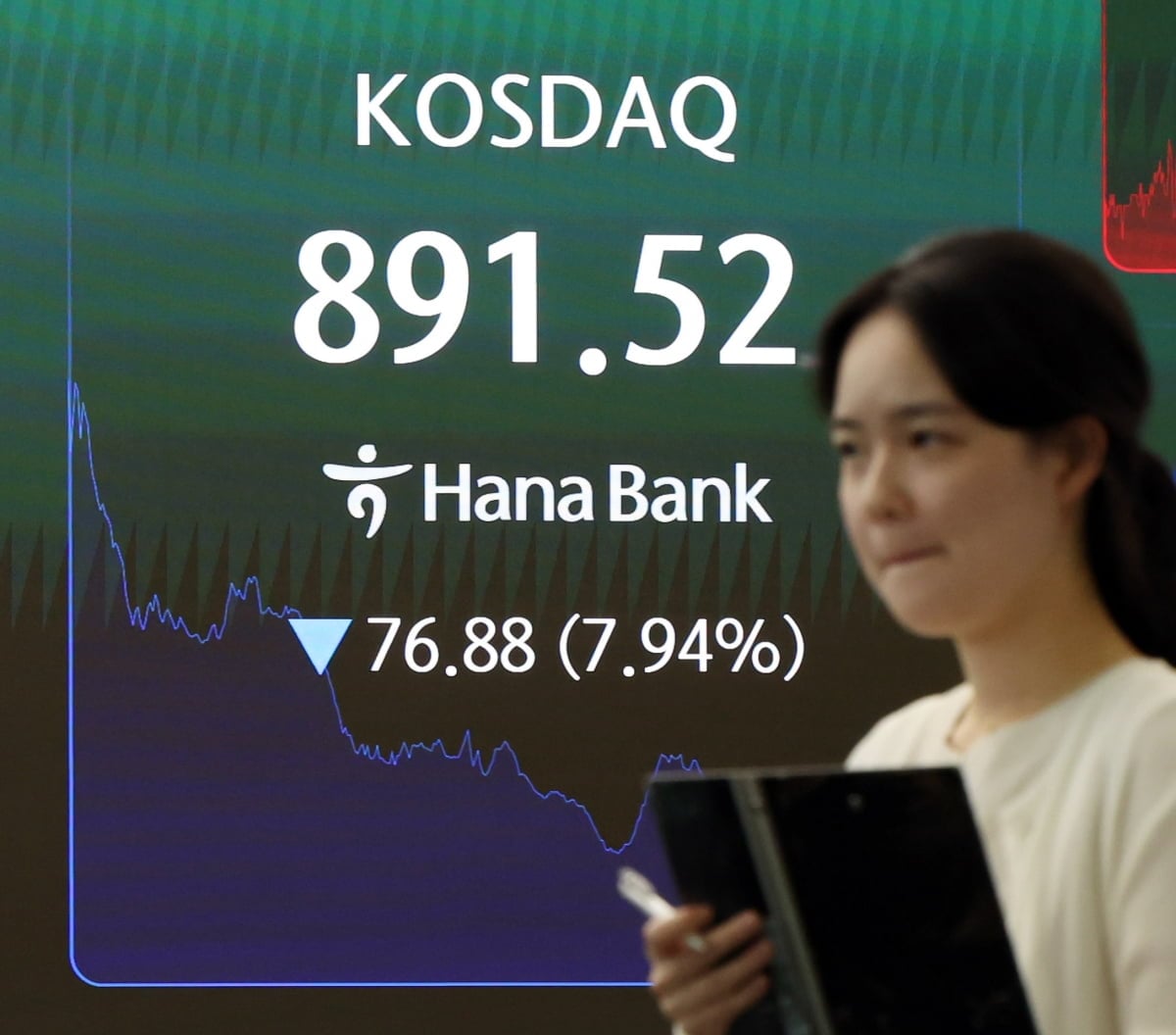
Kiwoom Launches KOSDAQ Covered Call ETF Targeting Monthly Income
Kiwoom Asset Management has introduced a KOSDAQ covered call ETF for investors seeking both exposure to Korea’s growth market and monthly distributions. The fund uses call option premiums as a potential income source while retaining partial participation in the underlying market. It broadens income ETF choices for Korean investors.
Memory ETF Rush Gains Ground as Samsung and SK Hynix Funds Outshine QQQ
Memory semiconductor ETFs have become a leading theme in the U.S. ETF market. Rising shares of Samsung Electronics, SK Hynix and other global memory names are pulling capital into focused products. Compared with the broad Nasdaq-100 ETF QQQ, memory ETFs offer more direct exposure to AI server demand and the chip cycle. Korean investors must also consider cur
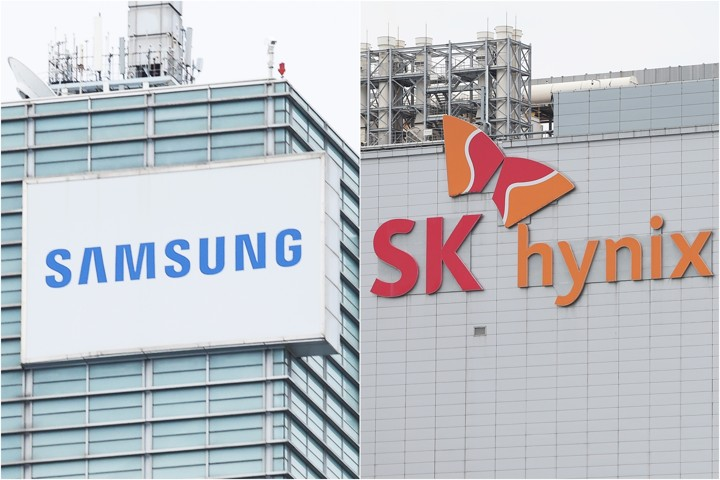
Samsung-SK Hynix Leveraged ETF Volatility Debate Points to Bigger Market Forces
The claim that single-stock leveraged and inverse ETFs drove the recent swings in Samsung Electronics and SK Hynix does not fit the market structure. These ETFs increased short-term trading but did not dominate cash-market price formation. Global semiconductor momentum, Iran-related geopolitical tension and won-dollar volatility were the main forces. Investo
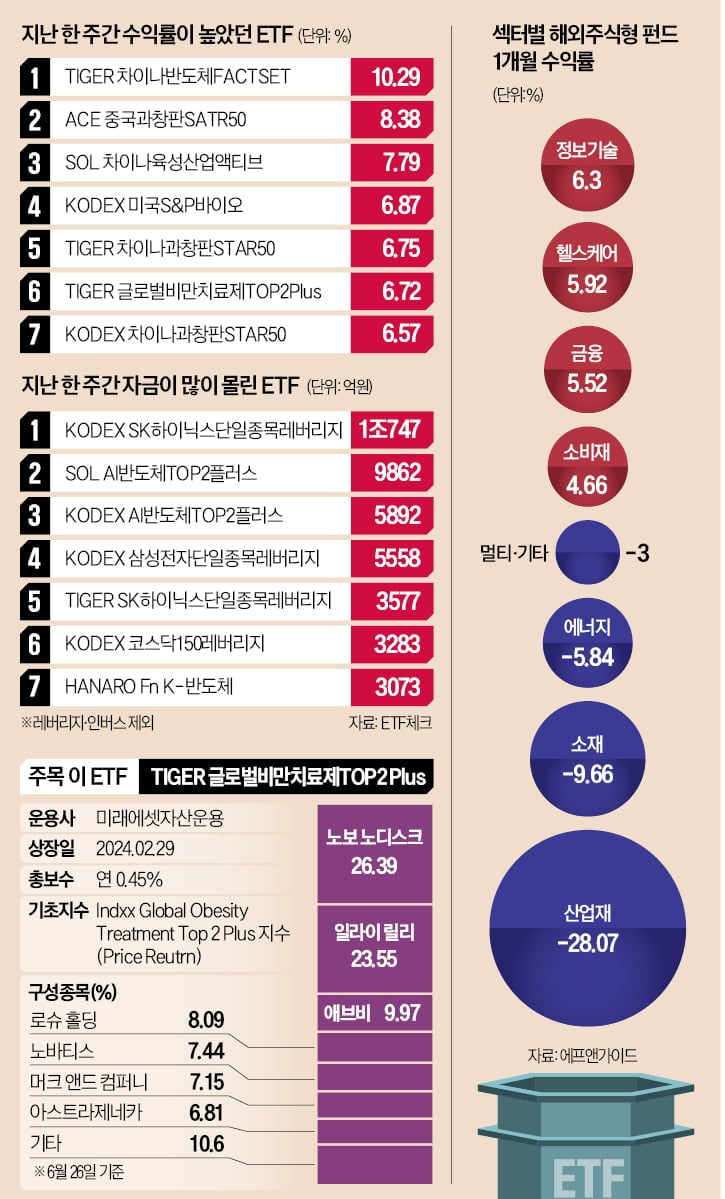
China ETF Rebound Gains Traction as U.S. Biotech ETFs Extend Strength
China-focused ETFs have moved into a rebound phase after a long period of weakness. U.S. biotech ETFs are also gaining as growth-stock sentiment improves and drug-development catalysts return. For Korean investors, won-based returns, exchange rates and account eligibility are central checks.
Qualcomm Data Center Push Puts AI Semiconductor ETFs in Focus
Qualcomm has become a leading example of a mature technology company being revalued through the AI trade. Its fast-growing data center chip business has made QCOM exposure more important for semiconductor, AI infrastructure and data center ETFs. Korean investors should also review won-based returns, currency hedging and the differences between locally listed