Leveraged ETF oversight tightens as Korea’s FSS summons asset managers
Korea’s FSS has summoned domestic asset managers, putting leveraged ETF oversight on the regulatory agenda. These funds target multiples of daily index moves, often 2x, but losses can accelerate when volatility rises. The review centers on product design, risk disclosure, liquidity controls and safeguards for retail investors.

The Financial Supervisory Service has called domestic asset managers together, making leveraged ETF controls a live regulatory issue in Korea. The immediate direction is not a blanket removal of products. The focus is tighter scrutiny of fund design, risk notices, liquidity management and sales procedures.
Investor Protection
Leveraged ETFs are derivative-based funds that seek a multiple of a benchmark’s daily return. Korea-listed products are mostly 2x or inverse 2x structures. If the benchmark rises 1% in a day, a 2x ETF targets about 2%; if it falls 1%, the product targets about -2%. The inverse version moves in the opposite direction. That daily target matters because longer holding periods and repeated swings can make cumulative returns differ from a simple two-times calculation.
Market Impact
The review comes as ETF choices and short-term retail trading expand. A won 100 million position in a 2x ETF can lose roughly won 20 million when the underlying index falls 10% in one day, before fees and tracking gaps. A rebound the next day does not automatically restore the account. Asset managers now face closer questions on derivatives margins, daily rebalancing, market-maker support and premium-discount control. The likely path is stronger pre-review and post-listing checks rather than an outright ban.
Key points
- Korea’s FSS has summoned domestic asset managers, putting leveraged ETF oversight on the regulatory agenda. These funds target multiples of daily index moves, often 2x, but losses can accelerate when volatility rises. The review centers on product design, risk disclosure, liquidity controls and safeguards for retail investors.
- Use the body and FAQ context before acting on this update.
- Compare with related issues inside the category hub.
FAQ
Why did the FSS summon asset managers?
To examine leveraged ETF design, risk disclosure, liquidity controls and retail investor protection systems.
How is a leveraged ETF different from a regular ETF?
It targets a multiple of the benchmark’s daily return, such as 2x or inverse 2x, so long-term results can diverge from a simple multiple.
What should investors check first?
They should review the benchmark, daily target return, currency hedge, total fee, premium-discount level, trading volume and intended holding period.
Latest stories
Sovereign Funds Shift From Stocks to Private Assets as Dollar Doubts Grow
Long-term capital controlled by sovereign wealth funds and central banks is shifting away from listed equities toward private assets and infrastructure. Equity risk and weakening confidence in dollar assets are driving the move. The trend is also relevant for Korean investors through currency risk, ETF flows and pension allocation.
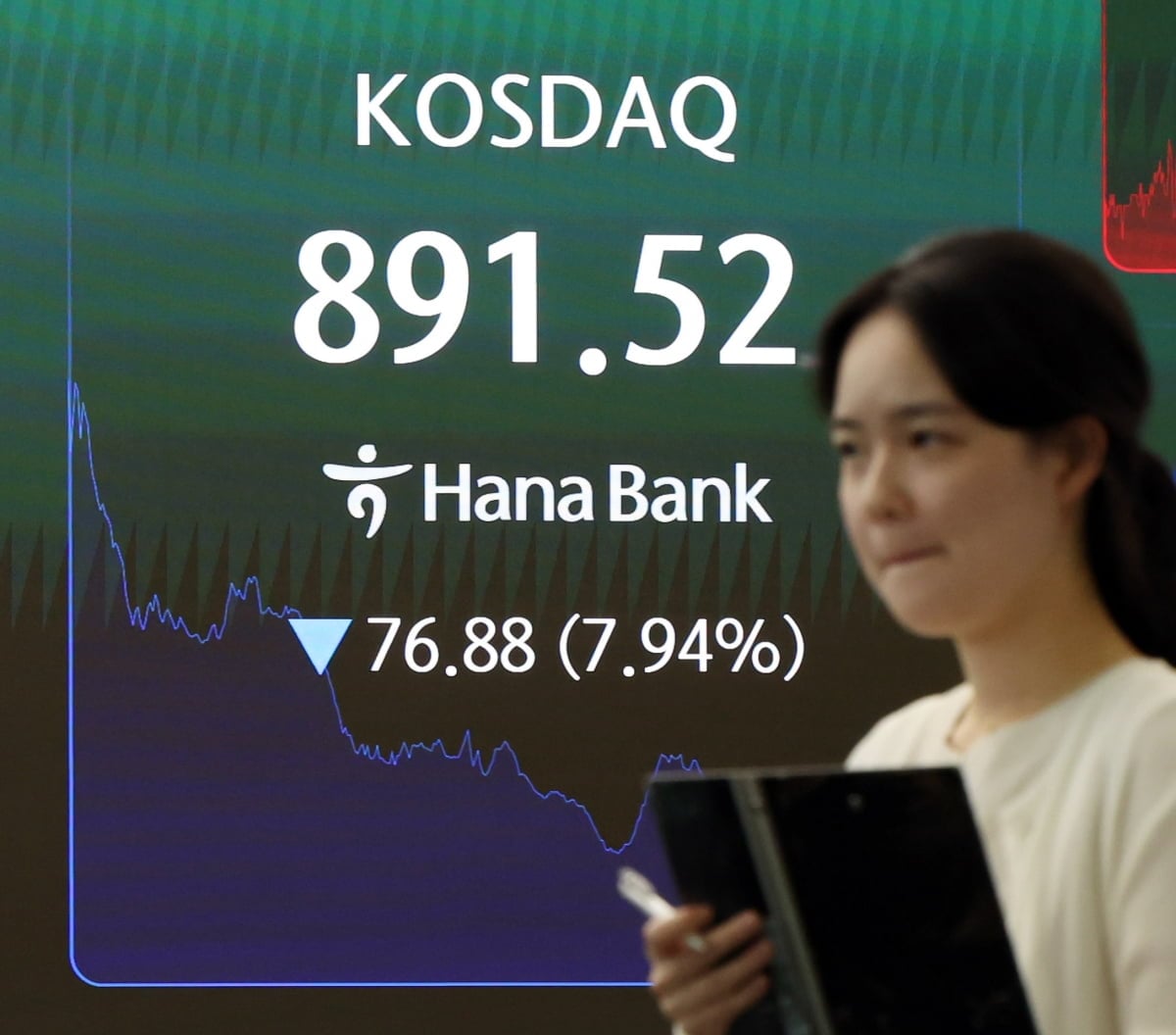
Kiwoom Launches KOSDAQ Covered Call ETF Targeting Monthly Income
Kiwoom Asset Management has introduced a KOSDAQ covered call ETF for investors seeking both exposure to Korea’s growth market and monthly distributions. The fund uses call option premiums as a potential income source while retaining partial participation in the underlying market. It broadens income ETF choices for Korean investors.

Memory ETF Rush Gains Ground as Samsung and SK Hynix Funds Outshine QQQ
Memory semiconductor ETFs have become a leading theme in the U.S. ETF market. Rising shares of Samsung Electronics, SK Hynix and other global memory names are pulling capital into focused products. Compared with the broad Nasdaq-100 ETF QQQ, memory ETFs offer more direct exposure to AI server demand and the chip cycle. Korean investors must also consider cur
Samsung-SK Hynix Leveraged ETF Volatility Debate Points to Bigger Market Forces
The claim that single-stock leveraged and inverse ETFs drove the recent swings in Samsung Electronics and SK Hynix does not fit the market structure. These ETFs increased short-term trading but did not dominate cash-market price formation. Global semiconductor momentum, Iran-related geopolitical tension and won-dollar volatility were the main forces. Investo
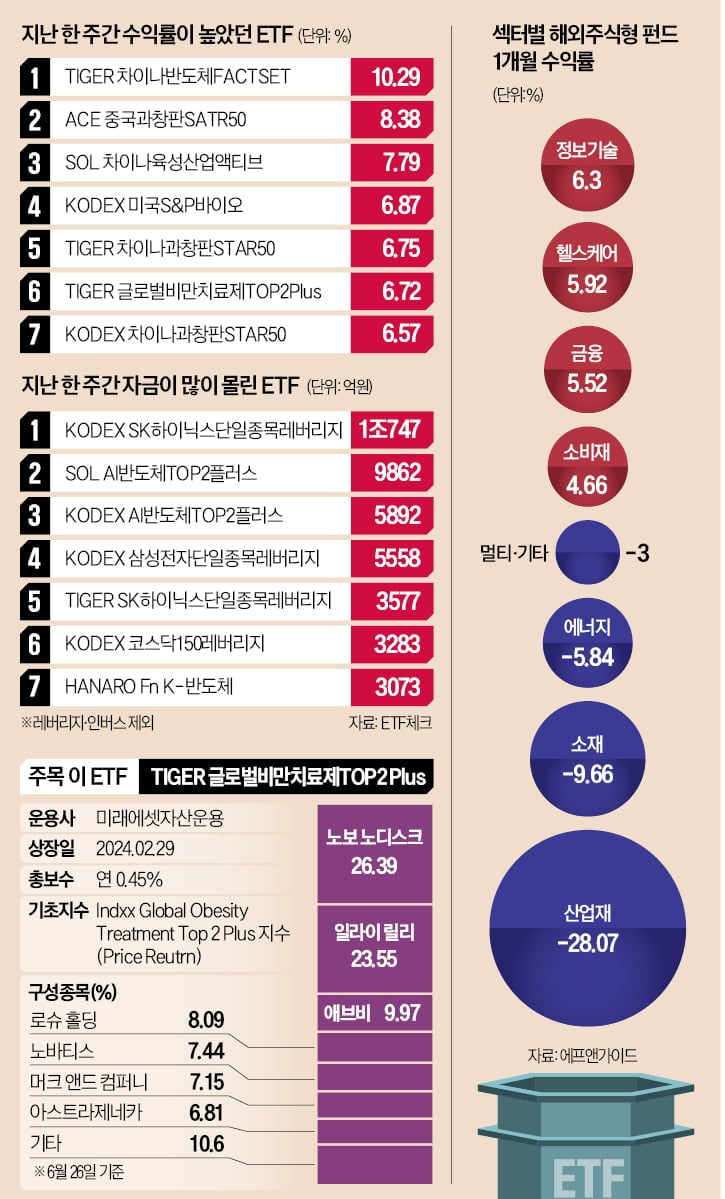
China ETF Rebound Gains Traction as U.S. Biotech ETFs Extend Strength
China-focused ETFs have moved into a rebound phase after a long period of weakness. U.S. biotech ETFs are also gaining as growth-stock sentiment improves and drug-development catalysts return. For Korean investors, won-based returns, exchange rates and account eligibility are central checks.
Qualcomm Data Center Push Puts AI Semiconductor ETFs in Focus
Qualcomm has become a leading example of a mature technology company being revalued through the AI trade. Its fast-growing data center chip business has made QCOM exposure more important for semiconductor, AI infrastructure and data center ETFs. Korean investors should also review won-based returns, currency hedging and the differences between locally listed

SDOG High-Dividend ETF Targets Income With Sector Diversification
SDOG is a U.S.-listed high-dividend ETF built around large-cap dividend stocks. It holds roughly 50 names selected across sectors and avoids heavy dependence on a few mega-cap stocks. The strategy targets dividend income and diversification, while currency moves and dividend stability remain key risks.

KOSPI 10,000 Call Gains Force as 60% of Fund Managers See It Within Three Months
A 10,000-point KOSPI has moved to the center of Korea’s market debate. Sixty percent of fund managers expect the index to reach that level within three months. The view strengthens interest in Korean equity ETFs and KOSPI 200 trackers, while also raising the need to monitor currency, rates and foreign flows.