Fully Active ETF Legislation Speeds Up as Legacy Fund Conversion Looms
Korea’s fully active ETF framework is entering a faster legislative phase in the second half of 2026. The core change would loosen the current benchmark-correlation structure and expand manager discretion. The hardest issue is whether already listed active ETFs can convert. Investors may gain more won-listed strategies, but fees, disclosure and manager skill
Fully active ETFs are entering Korea’s legislative track in the second half of 2026. The change would loosen the benchmark link and let managers adjust holdings and weights with greater discretion. The decisive issue is whether ETFs already listed under the current active framework can convert.
Benchmark Constraint
Active ETFs in Korea now work around a 0.7 correlation requirement with a comparison index. That rule supports product identity but limits pure security selection. A full active model would shift attention to manager skill, fees, turnover and holdings disclosure.
Market Impact
Automatic conversion could change the risk profile investors originally bought, while excluding legacy products could force duplicate listings and split liquidity. The debate is likely to focus on opt-in conversion, notices, name changes and reference-index use. Korean investors may see more won-listed overseas equity, bond-duration, dividend and theme strategies in pensions and ISA accounts, but cost and disclosure checks will matter more.
Key points
- Korea’s fully active ETF framework is entering a faster legislative phase in the second half of 2026. The core change would loosen the current benchmark-correlation structure and expand manager discretion. The hardest issue is whether already listed active ETFs can convert. Investors may gain more won-listed strategies, but fees, disclosure and manager skill
- Use the body and FAQ context before acting on this update.
- Compare with related issues inside the category hub.
FAQ
What is a fully active ETF?
It is an ETF with much wider manager discretion over holdings and weights, with a reduced need to stay closely correlated to a benchmark index.
Why are existing active ETFs a key issue?
Automatic conversion could alter the risk profile investors bought, while exclusion could require new listings and split liquidity.
What should investors check?
Investors should review total fees, trading costs, holdings disclosure, manager record and the persistence of excess returns versus a reference index.
Latest stories
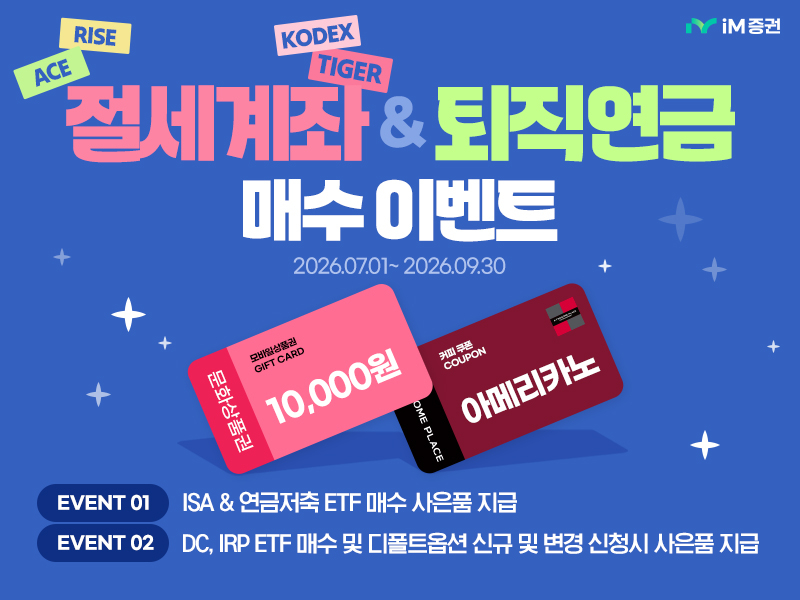
iM Securities ETF Trading Event for Tax-Saving and Retirement Accounts Runs Until Sept. 30
iM Securities is launching an ETF trading event for tax-saving and retirement pension accounts. The event runs from July 2 to Sept. 30. Eligible accounts include ISAs and retirement pension accounts. The move highlights stronger competition in Korea for long-term ETF investors using tax-advantaged accounts.

Comcast Media Spinoff Puts Sector and Dividend ETFs Under Review
Comcast’s media spinoff has become a key issue for sector and dividend ETFs that hold CMCSA. NBCUniversal and Sky will move into a separate listed company, forcing index providers and ETF managers to reassess classification, weights and dividend screens. Korean investors should monitor both U.S.-listed ETFs and Korea-listed overseas equity ETFs for rebalanci

Energy and Income ETFs Move Up the 2026 Portfolio Agenda as Amplify’s Nathan Miller Frames the Second Half
Energy ETFs and income ETFs emerged as key second-half portfolio themes at the late-June 2026 Midyear Outlook Symposium. Nathan Miller of Amplify ETFs framed the two areas around volatility management and cash-flow demand. For Korean investors, the practical issues include dollar distributions, exchange rates, trading costs, and account-level tax treatment.

Top 10 Active ETFs Reveal 2026’s Key Investment Themes
Active ETFs faced a major test in the volatile first half of 2026. The top 10 year-to-date performers show that strong technology earnings and disciplined security selection mattered more than broad thematic exposure. For Korean investors, currency moves, taxes and access to overseas ETFs remain key considerations.

Micron Earnings Surprise Revives AI Memory Semiconductor ETF Momentum
Micron’s fiscal third-quarter numbers reset the near-term case for memory ETFs. Adjusted EPS reached $25.11 and revenue hit $41.46 billion, far above market expectations. AI inference is deepening demand for HBM, DRAM and NAND while supply remains slow to respond. Korean investors should weigh FX, tax, hedge structure and exposure to Samsung Electronics and
Samsung to Run 3.5 Trillion Won Mutual Growth and ESG Fund With Suppliers
Samsung’s 11 affiliates are expanding a shared growth framework with suppliers. The core measure is a 3.5 trillion won mutual growth and ESG fund. The initiative is designed to ease financing burdens, strengthen ESG compliance and support long-term supply-chain competitiveness.
Sovereign Funds Shift From Stocks to Private Assets as Dollar Doubts Grow
Long-term capital controlled by sovereign wealth funds and central banks is shifting away from listed equities toward private assets and infrastructure. Equity risk and weakening confidence in dollar assets are driving the move. The trend is also relevant for Korean investors through currency risk, ETF flows and pension allocation.
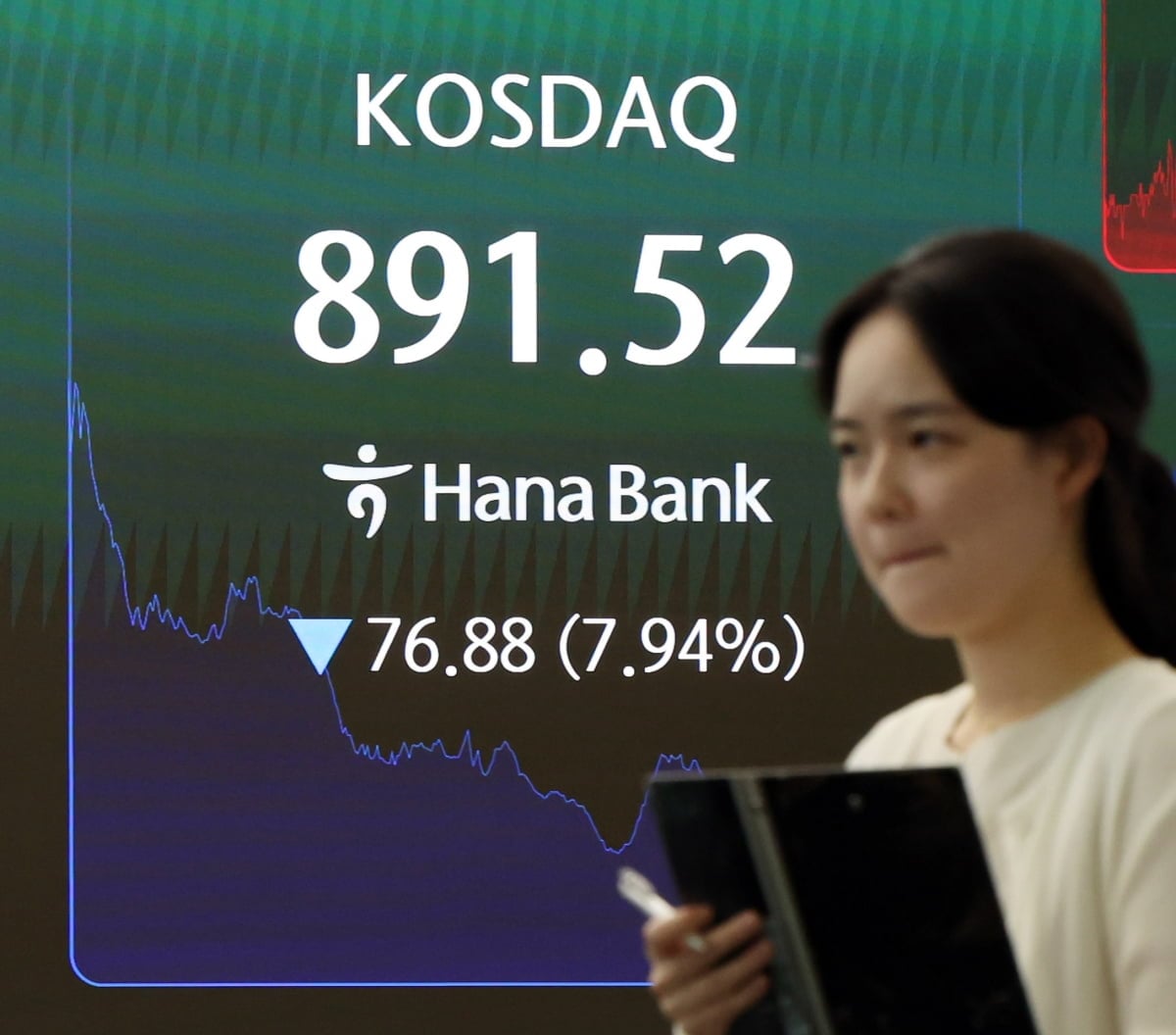
Kiwoom Launches KOSDAQ Covered Call ETF Targeting Monthly Income
Kiwoom Asset Management has introduced a KOSDAQ covered call ETF for investors seeking both exposure to Korea’s growth market and monthly distributions. The fund uses call option premiums as a potential income source while retaining partial participation in the underlying market. It broadens income ETF choices for Korean investors.